Portuguese
  Spanish



Discover How The Global Energy Transition Offers Economic Opportunities, Creates Jobs, And Promotes A Sustainable Future For All, With Renewable Energies Replacing Fossil Fuels.
The global energy transition is undoubtedly among the most relevant and urgent issues of our time. In fact, it brings challenges, opportunities, and profound changes to the global economy.
This process essentially consists of gradually replacing fossil fuels with renewable energy sources. Therefore, it can transform the way the world produces, distributes, and consumes energy, as well as generate enormous economic, social, and environmental benefits.
Historically, humanity has always used energy sources that evolved with technological advancements and societal needs.
-
Green Hydrogen Projects in Northeastern Brazil Stalled for 18 Months Awaiting Government Decree, Delaying Billions in Investments

-
Brazil Concludes Largest Energy Auction in History, Secures 18.97 GW and Mobilizes $12.8 Billion to Ensure Supply Until 2031
-
How Norway Produces More Energy Than It Consumes with Nearly 1,800 Hydropower Plants and Over 1,100 Reservoirs

-
Axia Energia Invests $280 Million in Q1, Increases Investments by 36%, and Turns Loss into $740 Million Profit


From the use of wood and coal in the pre-industrial era to the peak of fossil fuels in the 20th century, the global energy matrix has undergone significant transformations.
However, the environmental impact of these fuels, particularly the increase in greenhouse gas emissions, is causing climate change that threatens life on the planet.
It was in this context that, in 2015, countries adopted the Paris Agreement. A global milestone that sets goals to limit global warming to 1.5 degrees Celsius above pre-industrial levels.
Since then, various countries have aligned their policies and investments to accelerate the global energy transition. Focusing, therefore, on clean sources such as solar, wind, hydropower, biomass, and other renewable alternatives.
It is important to highlight that the transition does not happen uniformly around the world. While some nations are making rapid progress in deploying renewable energies, others face technical, financial, or political difficulties.
For this reason, international cooperation plays a fundamental role in ensuring that the benefits of clean energy spread globally, avoiding increases in inequality between developed and developing countries.
Economic Opportunities Of The Energy Transition
The Secretary-General of the United Nations (UN), António Guterres, emphasizes that the energy transition is not just an environmental necessity but also a major economic opportunity.
In a recent speech, he stated that renewable energies are almost reaching the installed capacity of fossil fuels globally, indicating significant progress in this transformation.
This movement could create millions of jobs, encourage technological innovation, and stimulate sustainable economic growth.
For example, sectors like manufacturing solar panels, wind turbines, energy storage batteries, and infrastructure for electric vehicles are rapidly growing and require skilled professionals, thus promoting a new green economy.
Moreover, expanding the use of clean energies contributes to energy security, reducing dependence on non-renewable and volatile resources.
This energy autonomy protects economies from external shocks, such as political crises in oil-producing countries or sharp fluctuations in international fossil fuel prices.
To ensure that this change occurs fairly and effectively, Guterres emphasizes that countries must fulfill their climate commitments, especially G20 members, responsible for about 80% of global emissions.
He also highlights the importance of national action plans, known as NDCs (Nationally Determined Contributions), aligned with the 1.5 degrees Celsius limit, covering all emissions and integrating energy, climate, and sustainable development.
A New Energy Paradigm And Its Challenges
Historically, the global economy has been based on fossil fuels, which drove industrial and urban growth but also generated pollution and profound environmental impacts.
The dependence on oil, coal, and natural gas has shaped global political and economic relations for decades.
However, this dependence is beginning to give way to a new energy paradigm, based, therefore, on sustainability and innovation.
One of the main challenges of the global energy transition is ensuring that developing countries, which often face financial and technological limitations, have access to renewable sources and can participate in this movement equitably.
For this reason, the UN proposes channeling funds and investments to these nations, promoting climate justice and social inclusion.
Additionally, the transition requires structural reforms, consistent public policies, and effective international cooperation.
Guterres warns that sectors linked to fossil fuels may delay the process by using protectionist measures or political lobbying.
Thus, governments, businesses, and civil society must work together to overcome these obstacles.
Still in this context, technological innovation plays a decisive role in enabling the transition.
Advancements in energy storage, such as long-lasting batteries, and energy efficiency make renewable sources more competitive and reliable, even in the face of natural variations, such as cloudy days or calm periods.
Technologies And Impacts Of The Energy Revolution
The upcoming energy revolution presents cleaner, cheaper, and more abundant technologies.
Solar energy, for example, shows one of the largest growth rates in recent years, driven by falling panel costs and the ease of installation in various regions.
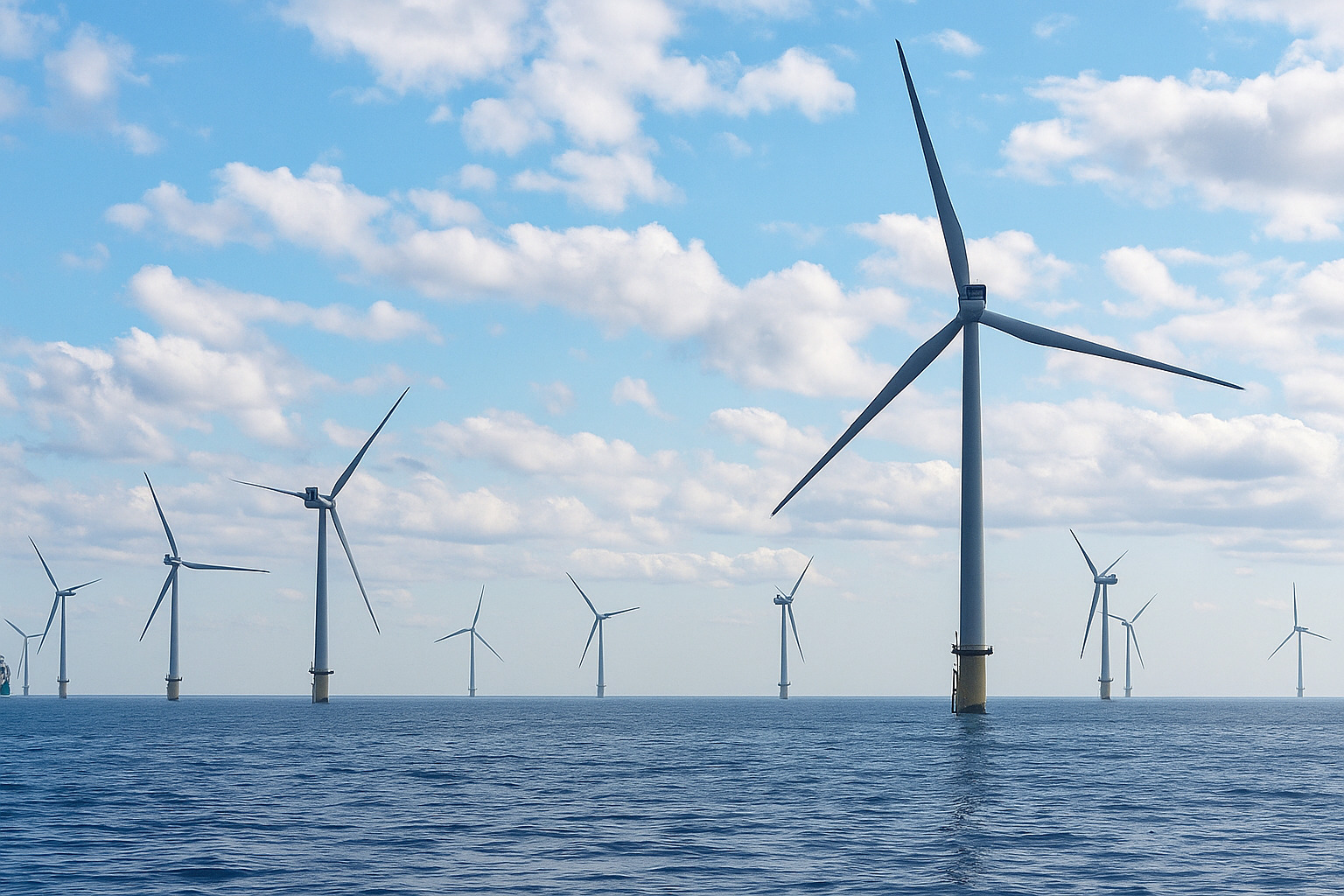
Wind energy has also gained prominence, especially in areas with consistent winds, such as coastal regions.
In addition to these, other emerging technologies like green hydrogen and ocean wave energy are starting to be explored as complements for a diversified and sustainable energy matrix.
This diversity helps ensure stable supply and meets, therefore, different regional demands.
This transformation reduces emissions of polluting gases and strengthens the energy autonomy of countries.
By relying less on imported fuels, nations ensure greater economic and political stability, thus reducing risks associated with international crises and price fluctuations.
Another important aspect of the global energy transition is international trade, which acts as a tool to promote energy transformation.
Facilitating the trade of clean technologies, components for renewable energies, and investments accelerates the adoption of these solutions on a global scale.
This reinforces the idea that the energy transition is a collective movement, depending on collaboration between countries and sectors.
A Sustainable And Inclusive Future
Since the first industrial revolution, access to energy has always determined economic and social development.
Today, the possibility of cheap, clean, and abundant energy can mark the beginning of a new, more sustainable and inclusive era.
This perspective brings hope in the face of climate challenges, showing that the green economy can become a reality for everyone.
The report “A Moment Of Opportunity: Turbocharging The Clean Energy Era,” produced by various UN agencies and international partners, reinforces this positive vision, highlighting the benefits already achieved and the paths to accelerate the process globally.
According to the document, we can build 21st-century energy systems that meet the growing demand for energy while respecting the environment and promoting social justice.
Finally, the global energy transition should be viewed as a shared responsibility and an opportunity to reinvent the economy, creating jobs, reducing inequalities, and protecting the planet for future generations.
The moment demands urgent action, with necessary decisions and reforms to ensure that the new energy era is just, efficient, and sustainable.
Thus, the world can move toward a future where clean energy does not merely serve as an alternative but becomes the foundation for global economic development, proving that combating climate change and economic growth go hand in hand.