






 Portuguese
  Spanish


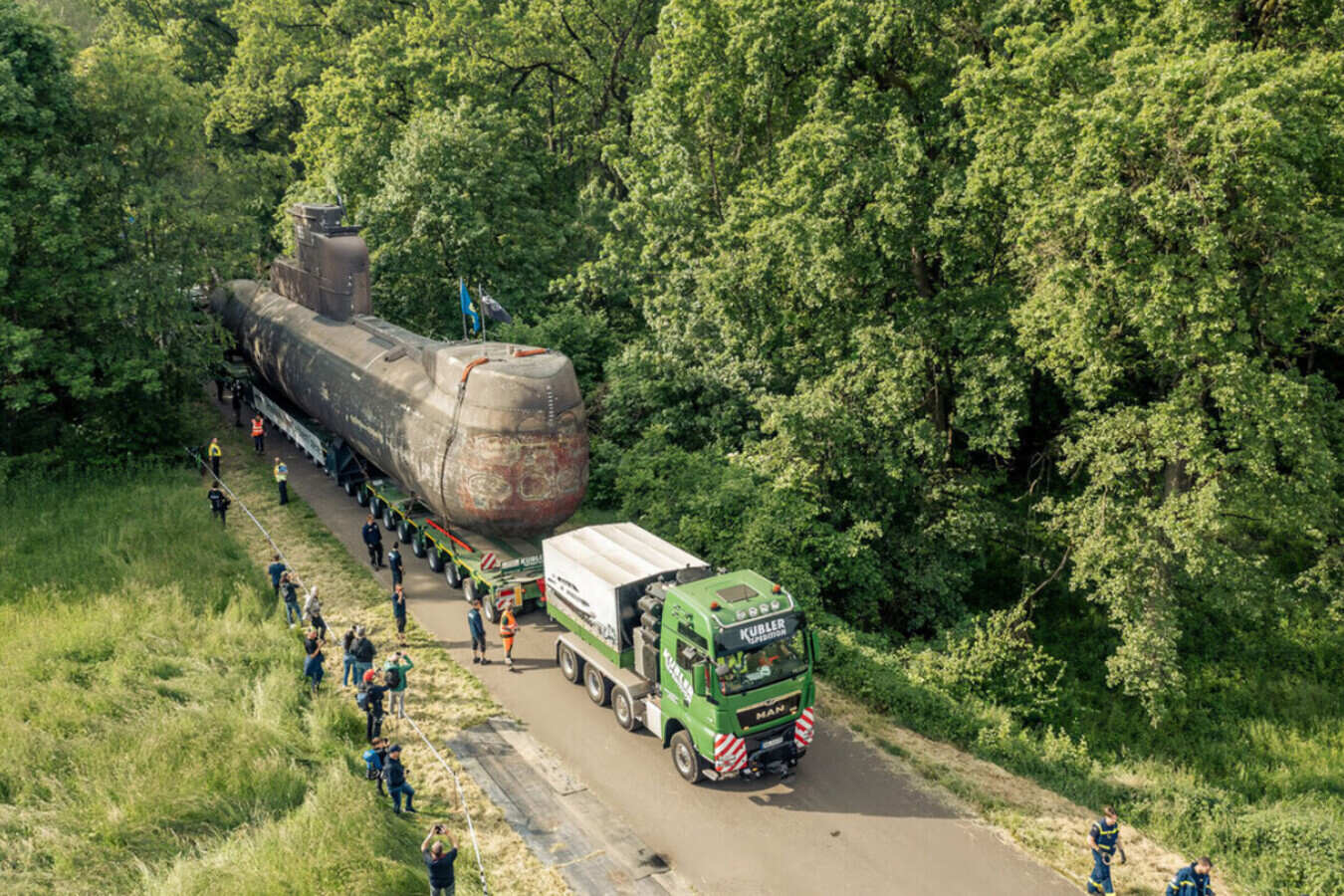


After Almost 80 Years Submerged, The Legendary U17 Submarine From World War II Traveled 50 KM On Land And Rivers For 23 Days In A Historical Operation Involving Dismantling Traffic Lights And Closing Highways Until It Reached The Technical Museum Of Sinsheim
Germany staged a scene that seemed straight out of a movie: a World War II submarine crossing streets, bridges, and rivers for 23 days. The protagonist was the Unterseeboot 17, known as U17, one of the most iconic submarines of the conflict that began in 1939.

A Symbol Of War That Surfaced Again
The U17 was built in 1935 and began operating shortly after the war began. After six years in action, it was sunk by its own crew in 1945.
The decision followed the “scorched earth” strategy imposed by Hitler, which dictated the destruction of military equipment to prevent its capture by enemy forces.
-
New York removed the tracks from over 2,500 subway cars and dumped everything at the bottom of the Atlantic, and what seemed like trash turned into an artificial reef teeming with fish and divers.

-
From matches sold by bicycle at age 5 to a global furniture empire: the lumberjack’s son founded IKEA at 17 in his uncle’s kitchen and transformed a small company into the largest furniture retailer on the planet.
-
The mansion in Flamengo, built in 1865 for the Baron of São Clemente and closed for 20 years, has become a spa, event hall, and gym for “Symphony,” a luxury condominium that sold 70% of its gross development value in the first month on the R$ 60 million land of the former Bennett College.

-
The Ipiranga convent, a 1924 building adjacent to the Museum that remained vacant for a decade and became home to dozens of cats, is reborn as “Alma Mater,” a luxury development worth R$ 130 million with a pool in the courtyard and a clubhouse in the former nuns’ chapel.





Almost 80 years later, the submarine returned to the spotlight. The German government decided to restore the U17 and turn it into a public attraction, preserving an important piece of the country’s naval history.
Two Years Of Preparation And An Epic Crossing
The rescue operation began in the Baltic Sea and required two years of meticulous planning. The submarine was transported to the Technical Museum of Speyer, where it underwent a complete restoration.
Experts opened the internal compartments, installed period objects, and recreated the original environment of the vessel, allowing for an immersive experience for visitors.
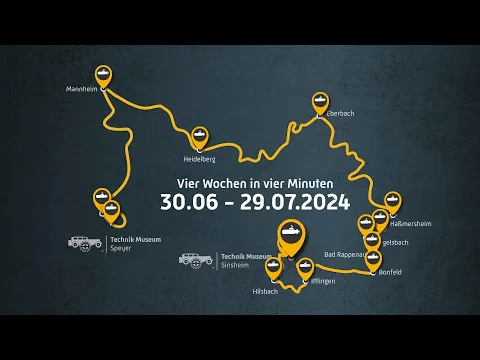
The final stage of the journey began on July 5, 2024. The U17 left Speyer heading towards the Technical Museum of Sinsheim in the south of the country.
It traveled 50 kilometers over the course of 23 days, crossing streets and rivers at a maximum speed of only 10 km/h.
Logistical Challenges And Impressive Dimensions
The transport was a complex operation. To allow the submarine to pass, it was necessary to dismantle traffic lights, remove signs, halt trains, and even close entire highways.
The platform used had 240 wheels and was tilted at 70 degrees to cross narrow bridges.
The structure of the U17 explains the challenge: it measures 48 meters long, 4.6 meters wide, 8.6 meters high, and weighs over 350 tons.
A New Historical Attraction
At the final destination, a structure was built specifically to accommodate visitors. It is expected that the public will be able to explore the interior of the submarine starting in mid-2025.
The U17, which once symbolized war, now reborn as a living memory of German history.
With information from Xataka.





Percorreu a uma velocidade máxima de 10km por hora e demorou 20 dias a percorrer 50 km… 10X1=10 10×5=50… tem algo certo que não está errado…
Eu nunca apontaria a antinga Alemanha, pois guerra sempre haverá ganhos e perdas. Se iremos apontar está ou outra nação. Poderíamos apontar Israel x Palestina? Então devemos sempre espelhamos em todas as nações , para não cometer erros!
Meu interesse é grande por este assunto