Portuguese
  Spanish


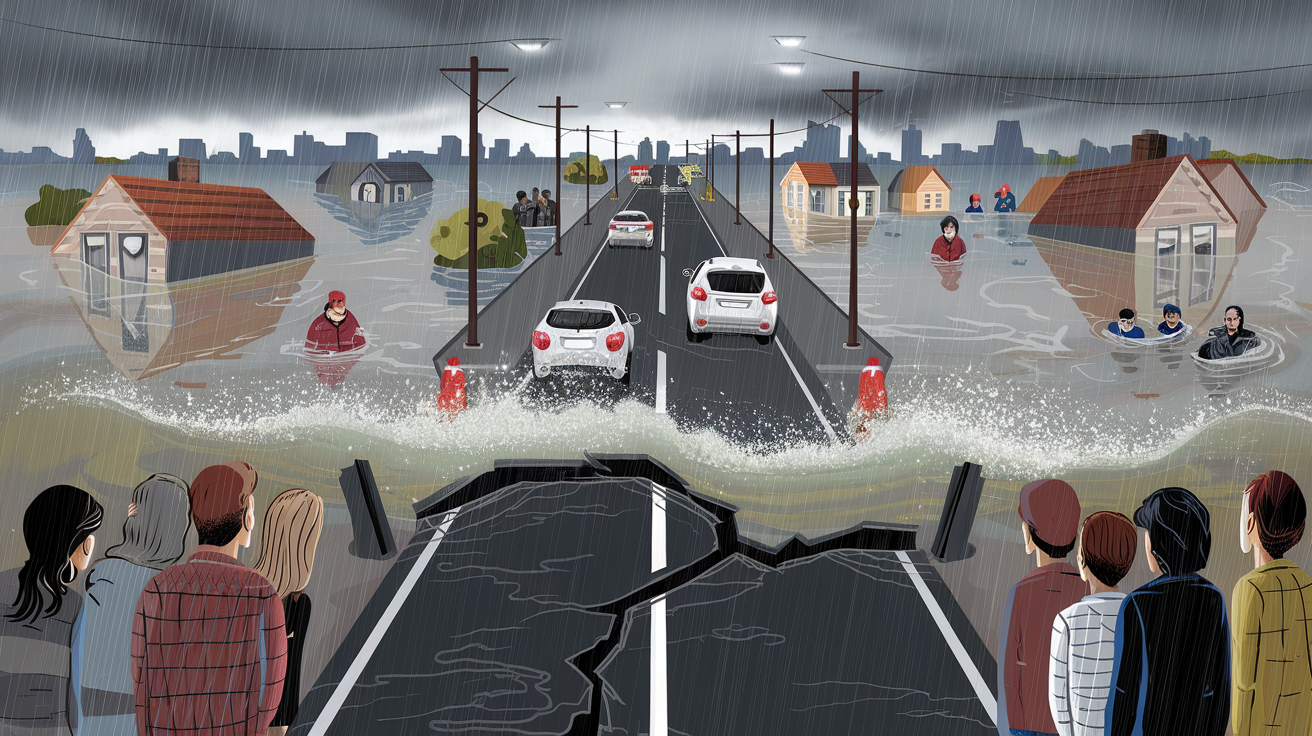


In Acre, torrential rains caused the breakage of BR-364, isolating municipalities like Feijó, Tarauacá, and Cruzeiro do Sul. In Rio Branco, more than 20 neighborhoods face flooding, leaving hundreds of families homeless. The Civil Defense warns of the possibility of new floods, while teams work round the clock to repair damages and assist the affected.
In the heart of the Amazon, where roads wind through vast forests and rushing rivers, road infrastructure is vital for connecting communities and ensuring the flow of goods and services.
However, extreme weather events can quickly turn these paths into scenarios of isolation and challenge.
According to the UOL portal, one of these episodes highlighted the vulnerability of land connections in the region.
-
Brazilian Airport to Receive $2.8 Million Investment, Completion Expected Within a Year

-
UN Warns of AI’s Environmental Impact and Calls for Greater Corporate Transparency

-
Former Atacadão Employee Turns Online Cake-Baking Lessons into a Confectionery Brand with Factory, Store, Delivery, and Nearly $400,000 in Revenue
-
Brazilian Startup Sells Nearly 9 Million Surprise Bags of Near-Expiry Food, Prevents Thousands of Tons of Waste, Aiming for $42 Million Revenue by 2026




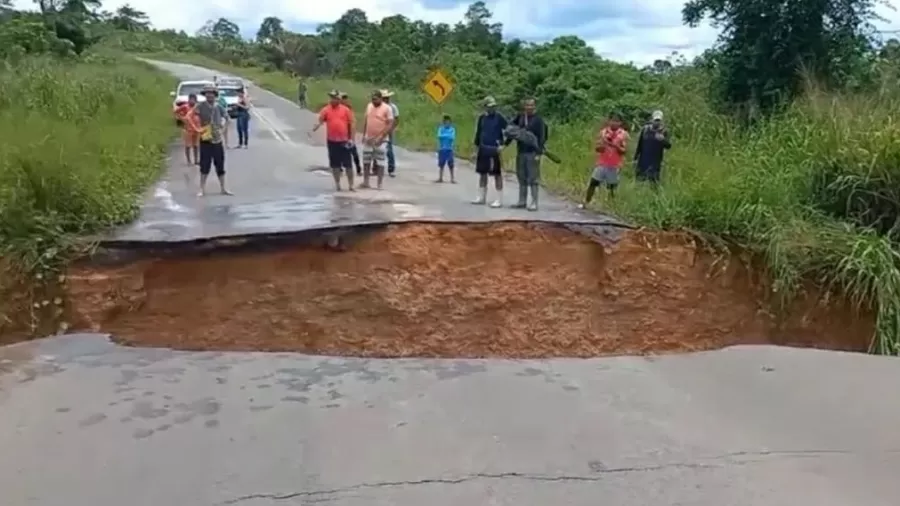
Heavy rains resulted in the breakage of a stretch of BR-364 in Tarauacá, Acre, isolating the cities of Feijó, Tarauacá, and Cruzeiro do Sul.
Teams from the National Department of Transport Infrastructure (Dnit) were mobilized on Sunday (23) to carry out emergency repairs on the highway.
The incident occurred at km 532.82, approximately 400 km from Rio Branco, leading to the complete closure of the road for the necessary work.
Impact on Local Communities
The breakage of BR-364 directly affected the daily lives and economy of the isolated cities. Feijó, Tarauacá, and Cruzeiro do Sul depend on this highway for the transportation of food, medicine, and other essential supplies.
With the interruption, residents face difficulties accessing basic services and moving local production.
The situation also impacts commerce and service provision, exacerbating the economic challenges in the region.
Repair and Logistics Efforts
Dnit reported that teams are working continuously to restore traffic on BR-364.
Machines and materials have been dispatched to the site, and it is expected that the highway will be partially opened in the coming days.
Meanwhile, alternative routes are being evaluated to minimize the impact of isolation on the affected communities.
Collaboration among federal, state, and municipal agencies has been essential to expedite response actions and ensure the safety of residents.
Flooding in Rio Branco
Alongside the incident on BR-364, the capital Rio Branco faces challenges due to intense rains.
More than 20 neighborhoods have been affected by flooding, resulting in the displacement of several families.
The Municipal Civil Defense reported that, in just 21 days of February, the city recorded 244.62 mm of rainfall, corresponding to 81.24% of the expected average for the entire month, which is 300 mm.
The level of the Acre River also showed a significant rise, reaching 9.57 meters, although still below the alert level.
Authorities’ Response
In response to the flooding, the Rio Branco City Hall mobilized public shelters to welcome the homeless families.
So far, 21 people have been sent to these locations, while about 200 sought shelter with relatives or friends. And
social assistance, health, and infrastructure teams are working in the affected areas, providing support and guidance to residents.
The Civil Defense remains on alert, monitoring river levels and the weather forecast for the coming days in order to anticipate possible interventions.
Weather Forecasts and Future Challenges
Interestingly, previous weather forecasts indicated that February 2025 would have precipitation below average in Acre.
Researcher Davi Friale pointed out that rains could be up to 40% below expected, due to specific atmospheric and oceanic conditions.
However, unexpected weather events resulted in heavy rains, highlighting the unpredictability of natural phenomena and the need for constant preparedness for emergencies.
The recent events in Acre emphasize the importance of continuous investments in resilient infrastructure and in early warning and disaster response systems.
Collaboration between government spheres and the community is essential to mitigate the impacts of adverse weather events and ensure the safety and well-being of the population.
As teams work to repair the damages and restore normalcy, the experience serves as a reminder of the power of nature and the need to always be prepared for its challenges.