






 Portuguese
  Spanish
  4 min of reading
  0 comments


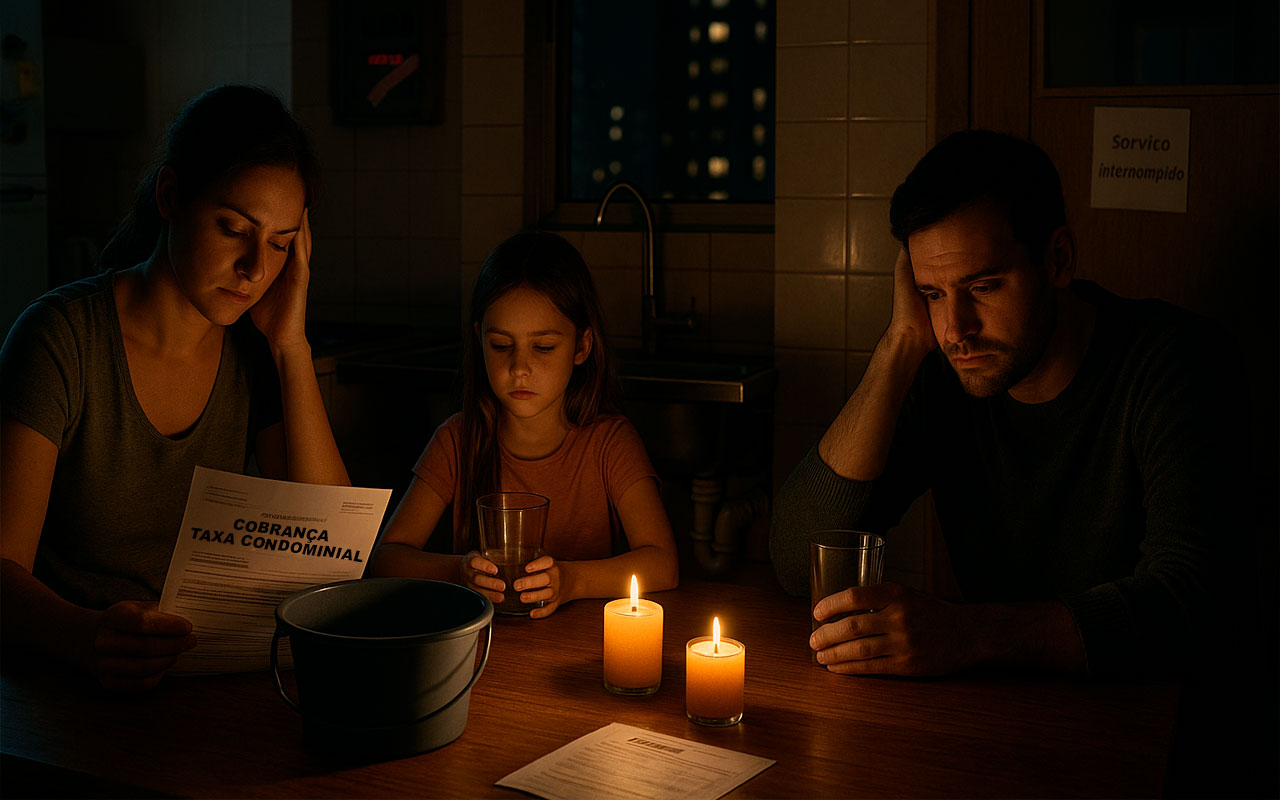
Recent Decisions Emphasize That Cutting Essential Services to Force Payment of Condominium Fees Is Illegal. Understand What Legal Collection Methods the Condominium Can Use, the Limits of Fines and Interests, and What to Do If the Service Has Already Been Interrupted.
In recent years, state and higher courts have consolidated the understanding that condominiums cannot cut off water, electricity or gas from delinquent residents as a form of coercion. On September 16, 2023, the 25th Chamber of Private Law of the TJSP upheld the conviction of a condominium that cut off the water of a resident with outstanding fees, highlighting that there is no legal authorization for the condominium to impose this type of sanction.
The São Paulo decision aligns with the dominant guidance that non-monetary measures to punish the debtor, such as cutting essential services, violate basic rights and should be replaced by legal collection instruments. The repercussions of the case were reported by specialized legal media, reinforcing the illegality of the practice.
It’s important to differentiate: public utilities can suspend service for current delinquency of the user, observing rules and deadlines, but the condominium is not a provider of essential service and cannot impose cuts as a penalty. But it is important to understand that condominiums can use other methods to force the payment of overdue amounts.
-
Federal Police involved in the case to identify the person responsible for hacking the Civil Defense system, which sent ten false alerts, frightened residents of different capitals, and turned messages about real risks into notifications with “misanthropy” and even alien attacks.

-
Extreme drought causes ghost village to reappear at the bottom of the reservoir that supplies Athens, revealing houses, a school, and ruins swallowed since the 1980s as the lake shrinks and exposes the water crisis threatening the capital of Greece.

-
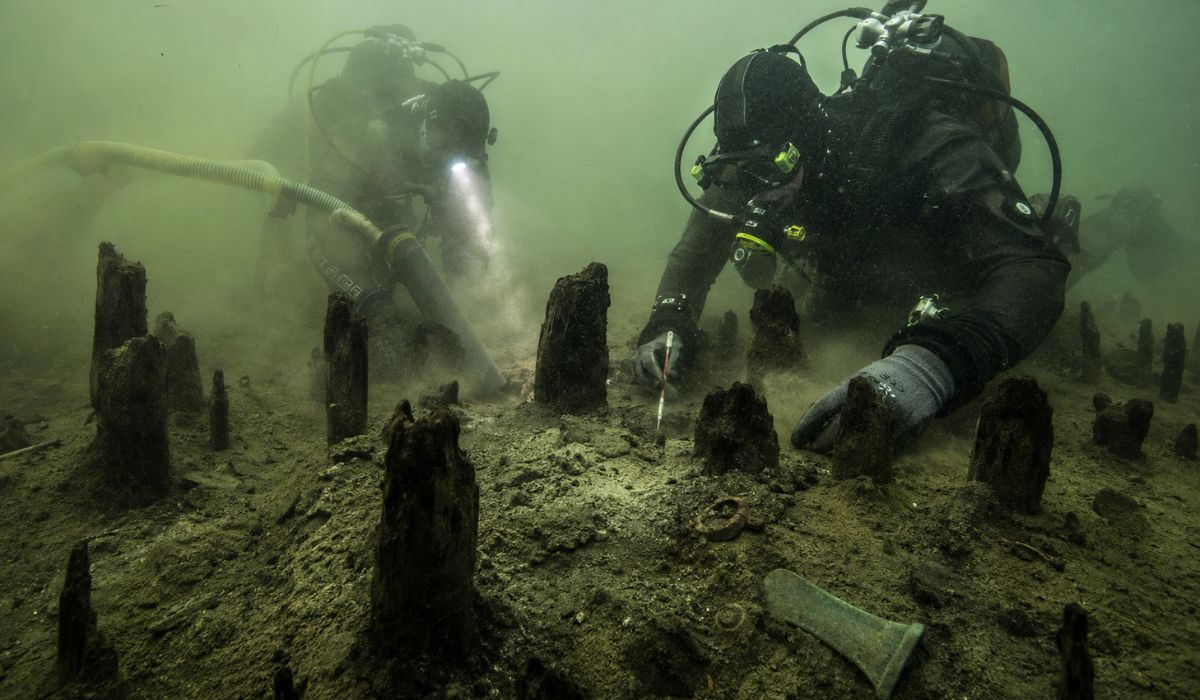
An entire village lay asleep at the bottom of a lake for 3,000 years: divers suction sediments in Italy and reveal more than 600 wooden stakes, bronze tools, and traces of a Bronze Age settlement hidden underwater.
-
They call it the “Shopee house” and even cardboard, but the R$ 20,000 house is a certified Wood Frame from Alea, financed by Minha Casa Minha Vida: understand if it’s worth more than masonry.





Collection of Condominium Fee, What Is Allowed by Law
To collect overdue amounts, the route is legal. Since the CPC of 2015, condominium contributions (ordinary and extraordinary), as provided in the convention or approved in assembly and documentarily proven, are extrajudicial executive titles. In other words, the condominium can propose direct execution, without prior knowledge process, which speeds up the recovery of credit. On September 20, 2023, the STJ reaffirmed that excessive formalities are not required for this execution.
The Justice System also accepts effective executive measures, such as seizure of the property, including financed ones, under certain conditions, when there is a debt of condominium fees concerning the unit. On September 14, 2023, the Fourth Chamber of the STJ recognized the possibility of seizing property with fiduciary alienation in the execution of fees. Local courts already consolidate that the protection of family assets does not prevent seizure when the debt is of the condominium itself related to the property.
Another legitimate instrument is negative reporting in delinquent registries, either extrajudicially or by judicial determination within the execution, according to art. 782, § 3º of the CPC and information from the STJ about the use of SerasaJud. Attention: negative reporting requires proven debt and prior notification, and undue maintenance after payment generates moral damages.
About fines and interests, the Civil Code determines a fine of up to 2% for delays and default interest (agreed or, in their absence, those provided by law). The wording of §1º of art. 1.336 was updated in 2024, maintaining the fine ceiling at 2% and safeguarding monetary correction and interest. In extreme cases of antisocial behavior, which is not to be confused with mere delinquency, there may be heavy fines by assembly deliberation, according to art. 1.337.
What to Do If the Condominium Cut off Water, Electricity, or Gas from Your Unit
If there has been a cut-off by the condominium, document everything: communications, notices, photos, videos, and witnesses. Contact the property manager in writing and request immediate restoration of the service, pointing out the illegality of the act. This demonstrates good faith and may prevent judicialization.
If unresolved, it is possible to request emergency relief from the Judiciary to reactivate the service, as the interruption compromises dignity and health. In precedents, courts have granted compensation for moral damages when the irregular cut was proven, although the determination of the amount varies according to the circumstances of the case.
In parallel, regularize the financial situation with an agreement or installment payment when possible. Remember that the debt can be collected through execution, with seizure and negative reporting, increasing costs with fees and expenses. Anticipating reduces losses and prevents the collection from escalating to harsher measures.
I would like to hear from you, is it fair to allow negative reporting and seizure to collect condominium fees, but prohibit cutting off water and electricity, or should the condominium have stricter means to curb delinquency? Leave your opinion in the comments.





Be the first to react!