





 Portuguese
  English
  Spanish
  3 min of reading
  0 comments


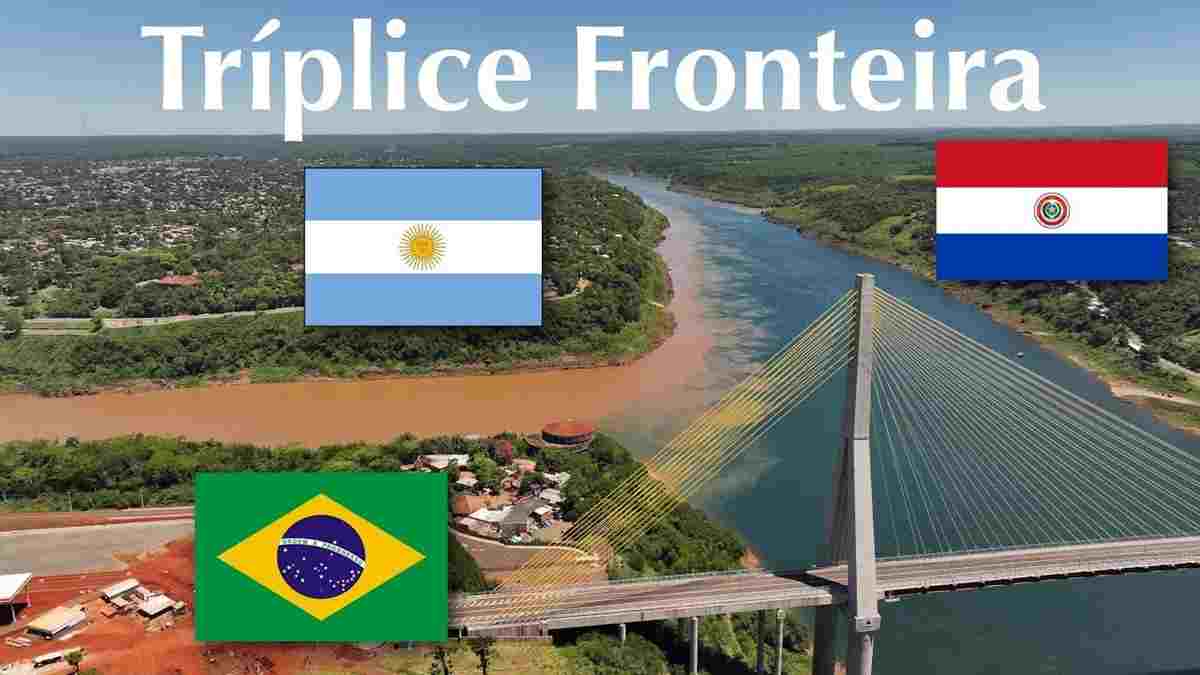
Meeting Between Brazil, Paraguay and Argentina Forms One of the Most Integrated Points in South America, with Strong Tourism, Large Projects and Security Challenges
The tri-border area represents the main meeting point between three nations in South America. Here, Brazil, Paraguay, and Argentina come together in a shared space that houses the cities of Foz do Iguaçu, Ciudad del Este, and Puerto Iguaçu, delineated by the Iguaçu and Paraná rivers.
This meeting of nations forms an area of intense integration and contrasts, marked by large engineering projects and accelerated growth that simultaneously attracts tourists and challenges.
Regional Integration
The integration between the countries is manifested in their bridges and connection works. On the Brazilian side, the link to Paraguay is made through the Friendship Bridge and, more recently, the new Integration Bridge.
-
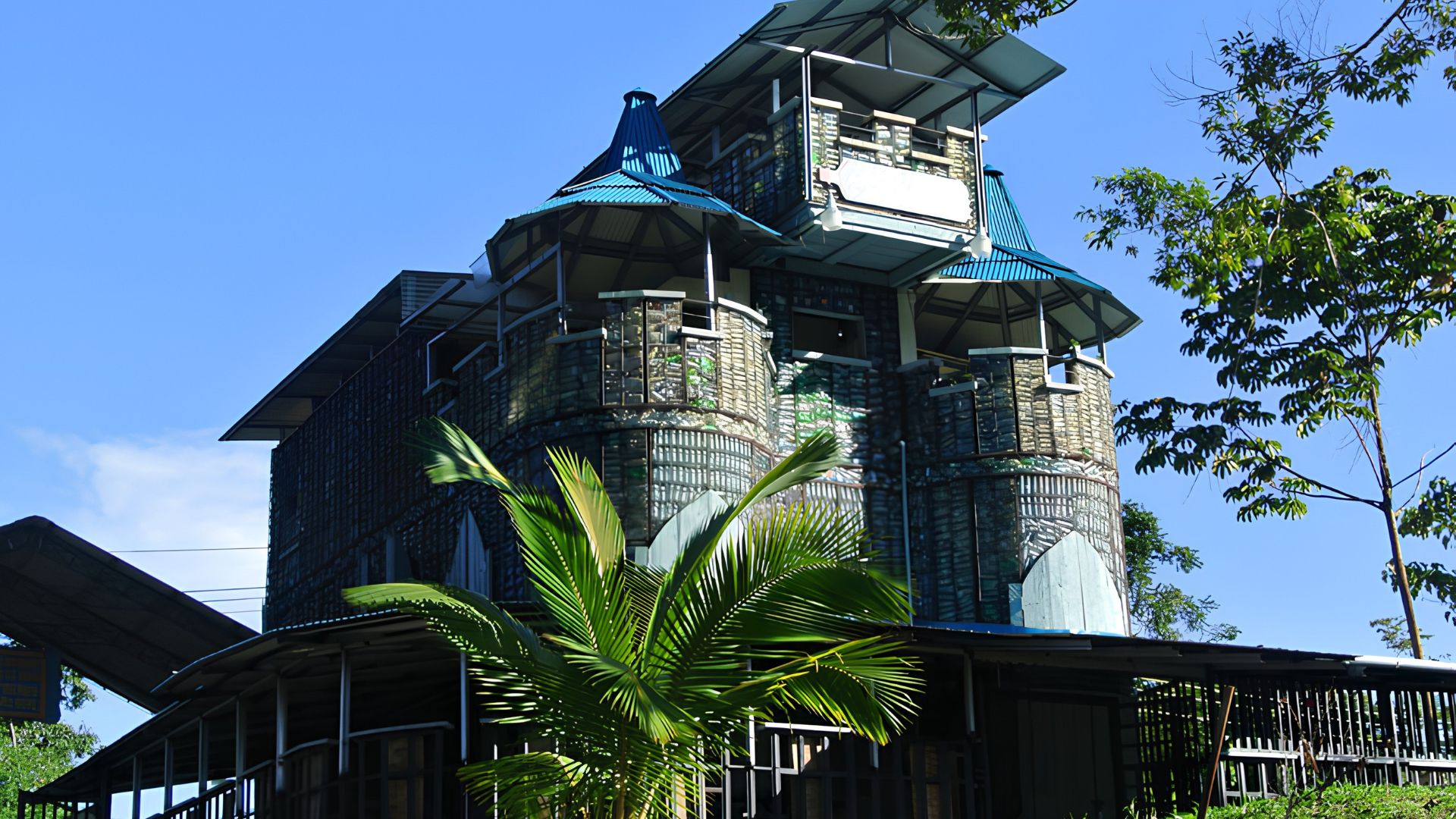
Four thousand PET bottles became a 24m² house in the interior of São Paulo, as ten students proved that it’s possible to build a home from floor to ceiling with recycled plastic, spending 30% less than a brick construction.

-
Without ATMs, with social networks blocked and travel controlled by the government, Eritrea challenges the modern world and reveals why it is called the “North Korea of Africa.”

-
Japan spent decades avoiding the export of major military assets, but is now negotiating the sale of used Asagiri destroyers to expand naval cooperation with Indonesia.
-
In 1902, hundreds of children planted 242 seedlings in the interior of São Paulo and created the first ecological act in Latin America, giving rise to a historic celebration, inspiring Arbor Day in Brazil, and transforming Araras into a national green symbol.


On the Argentine side, communication is maintained by the Tancredo Neves Bridge.
These structures facilitate the exchange of people and goods, symbolizing the union and proximity between the peoples. The connection between the countries strengthens cultural and economic exchange, reinforcing the potential for regional development.
Development and Infrastructure
The region has grown remarkably after the construction of the imposing Itaipu Dam, the largest engineering work between Brazil and Paraguay.
This dam revolutionized the energy sector and boosted the local economy, paving the way for new investments.
The improvement of infrastructure has brought dynamism and modernity to the area.
However, the accelerated progress has also highlighted problems in urban and cross-border areas, demanding continuous attention from the authorities and the governments involved.
Illegal Activities and Trade
The advancement of development and integration has also generated security challenges in the region.
Paraguay has come to be recognized as the main point for triangulation trade, a practice involving the smuggling of imported goods.
This illegal trade negatively affects the economy and the image of the region, demonstrating that growth has its dark side.
Authorities face the challenge of balancing progress with effective control and oversight measures, seeking to reduce illegal activities that intensify with increased mobility among the countries.
Tourist Attraction
Despite the issues related to illegal trade, the tri-border area remains one of the most recognized tourist destinations in South America.
The famous Iguaçu Falls are the main attraction, enchanting visitors with their grandeur and natural beauty.
Tourism boosts the local economy, providing income and fostering cultural exchange between visitors and the local population.
This attractive environment reinforces the importance of maintaining the region safe and well-structured to preserve its positive image.
Region of Great History and Importance
The meeting between Brazil, Paraguay, and Argentina in the tri-border area reflects contemporary integration and challenges.
The region stands out for its monumental works, such as the Itaipu Dam, and for the bridges that connect the countries.
However, accelerated growth has brought problems, such as the increase in illegal activities, especially evident in triangulation trade.
The balance between modernity, economic development, and security is essential for the region’s future.
The Iguaçu Falls, besides being a global postcard, reinforce the tourist and cultural value of this important connection point.
Thus, the tri-border area reaffirms its role in the history and dynamics of South America, showing that the union between the countries can be a source of growth and challenges that require joint efforts to overcome.
The coexistence of the different realities in this area reinforces the need for mutual cooperation, with public policies that promote the balance between development, security, and the preservation of natural attractions. This cooperation is vital to build a prosperous and safe future for everyone now.






Be the first to react!