Portuguese
  Spanish


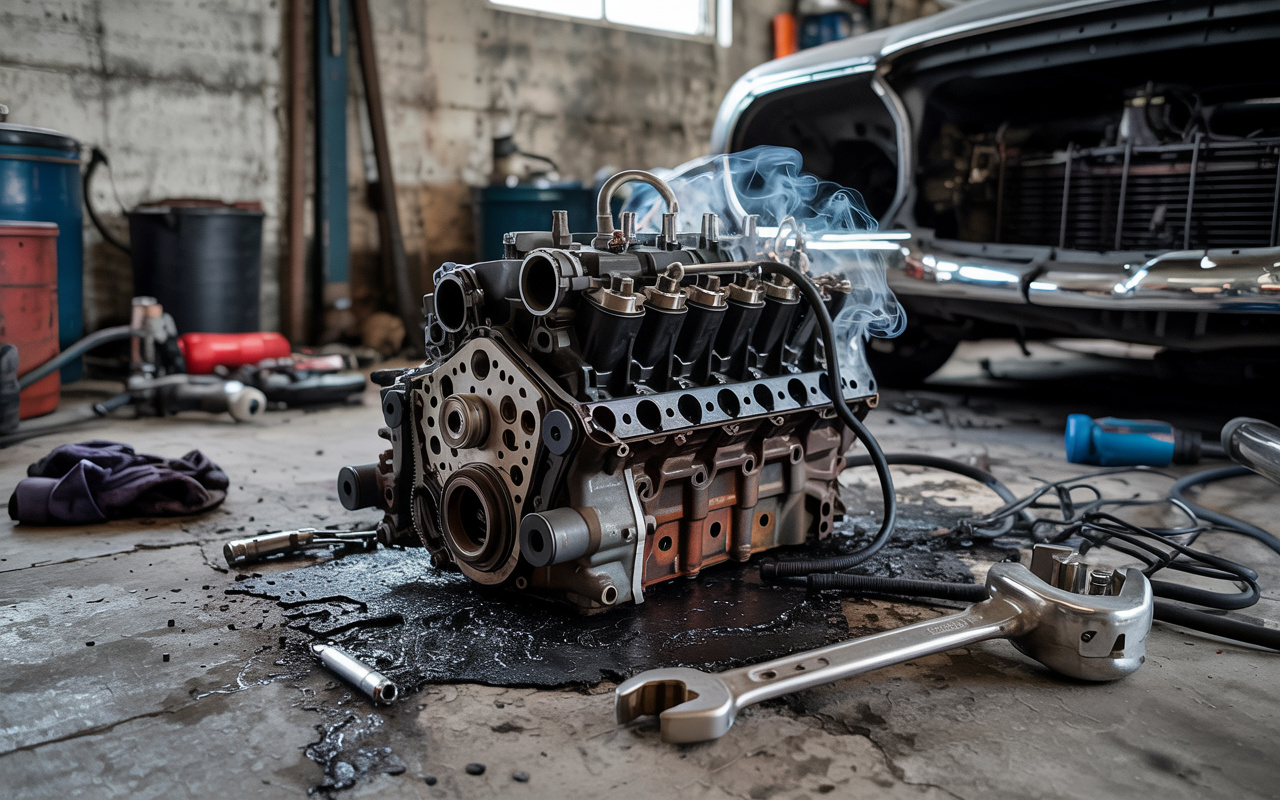


Using The Wrong Oil In The Engine To Save Can Cause Serious Failures, Seize The Engine And Even Void The Car Warranty. Understand The Risk And How To Avoid This Expensive Mistake.
Car maintenance often seems like an avoidable expense. Therefore, many people end up making decisions based solely on price, without considering the mechanical consequences. One of the most common—and dangerous—mistakes is to replace the engine oil with a cheaper version that is outside the specifications recommended by the manufacturer. What seems like an immediate saving could end up seizing the engine, resulting in high costs and even voiding the warranty on cars still under coverage. Using the wrong oil in the engine is a serious and silent error that can go unnoticed for weeks or months—until the car stops completely.
If you have ever considered switching to “cheaper, but similar” oil or if the mechanic suggested “an alternative oil that everyone uses,” it is worth understanding the reasoning behind this decision—and the extent of the risk involved.
Why Oil Specification Is So Important


Lubricating oil is not all the same. Each engine is developed with specific tolerances, operating temperatures, internal pressure, and cleanliness standards that require an exact type of lubricant. This includes:
-
Thailand Converts 8 Tons of PET Bottles into 3,500 School Backpacks, Showcasing Circular Economy with Over 40 Factories Involved

-
Mysterious Bats Spotted in Paris’s Père Lachaise Cemetery, Drawing Tourists to the “Vampire Cemetery”

-
From Selling Street Food to Leading a $300 Million Construction Firm: The Journey of a Brazilian Entrepreneur

-
Abandoned Penthouse in Houston Reveals Million-Dollar Suite with 24-Karat Gold, Tiffany Crystals, and Opulence Even Elvis Might Have Snubbed




- Viscosity (e.g., 0W20, 5W30, 15W40)
- Technical standards (such as API SN, SP, ACEA A3/B4, etc.)
- Base composition (mineral, semi-synthetic, synthetic)
- Special additives for protection, detergency, and thermal control
Ignoring these requirements is making a mistake in oil change that directly affects the internal protection of the engine. An oil that is thicker or thinner than recommended may not reach vital components in time, leaving critical areas without lubrication.
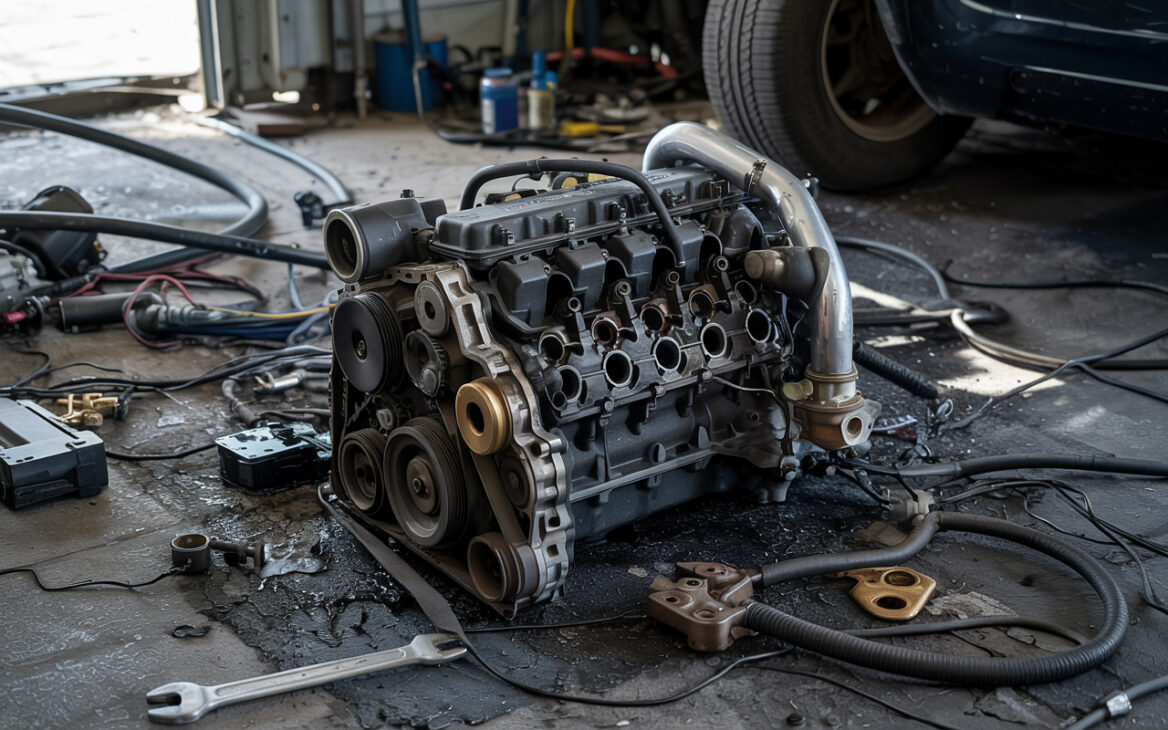
The consequence? Premature wear, accumulation of sludge, overheating, seizing of moving parts, and in the worst-case scenario, engine seized due to inadequate lubrication.
“But It’s Just A Slightly Different Oil…”
This thought is common—and dangerous. Using oil with a different specification, even if “close,” alters the internal lubrication behavior. In modern engines, which operate with extremely tight tolerances, even a small deviation in viscosity can result in protection failure right after startup.
Turbocharged engines, for example, require oils with very high thermal performance. Using a cheap lubricant without the correct additives can accelerate turbo wear, damage the cylinder head, and cause compression loss.
Additionally, direct injection systems, start-stop systems, particulate filters, and modern catalysts are extremely sensitive to residues—and a low-quality oil or one that does not meet specifications tends to leave sediments that clog these systems over time.
The Temptation of Saving That Costs Dearly
The price difference between a premium synthetic oil (like 5W30 SN Plus) and an old standard semi-synthetic oil can be R$ 60 to R$ 100 per change. Seems like a good deal… until the day the engine starts knocking, misfiring, or seizing.
Changing the entire engine in popular models costs, on average, between R$ 7,000 and R$ 12,000. In imported models or with turbo engines, costs can exceed R$ 20,000. All of this because someone saved on wrong oil in the engine.
Moreover, there are documented cases of voiding the factory warranty due to using lubricant outside the recommended specification in the manual.
“But The Mechanic Said This Oil Works…”
Unfortunately, many professionals still recommend what is easier or cheaper to sell, without strictly following what is indicated in the manufacturer’s manual. The correct approach is always:
- Check the exact specification in the owner’s manual
- Use a lubricant with the same standard and viscosity recommended
- Confirm that the oil packaging has certification from INMETRO, API, and the manufacturer
- Also change the oil filter with each replacement
Avoid shops that try to push “similar oil” or fail to clearly inform which product is being used. Transparency in oil changes is essential to avoid car breakdown due to poorly planned savings.
Real Cases Of Engine Seized Due To Wrong Oil
Reports in automotive forums, Facebook groups, and even in articles from portals like Quatro Rodas and AutoPapo show dozens of cases where relatively new cars suffered catastrophic engine failure after using lubricants outside the specification.
- Drivers who switched from 5W30 to 15W40 on hot days and faced overheating.
- Turbo cars with mineral oil that began to smoke and lose power.
- SUVs with direct injection that had their engines seized due to inadequate lubrication and lost warranty at the dealership.
These examples reinforce the importance of following exactly what the manual requires—without any “shortcuts.”
The Importance Of Using Original Or Approved Oil
Each automaker works with lubricants approved for their models. Brands like Honda, Toyota, Volkswagen, Fiat, and Chevrolet specify not only the viscosity but also the exact technical standard that must be followed (e.g., VW 508.00, GM Dexos1, Honda HTO-06, etc.).
Using any oil that does not meet this specific standard may characterize misuse and create loopholes for losing the warranty, even if the car is within the time and mileage limits.
Furthermore, approved oils ensure better protection during cold starts, greater engine durability, and better compatibility with modern electronic systems.
How To Avoid This Mistake Once And For All
- Always consult the car manual before any change.
- Be wary of shops that use “bulk oil” without packaging.
- Prefer to have the change done in places that show the product used, with an invoice.
- Always use oil of the exact specification, even if the price is slightly higher.
- Change at the recommended interval or sooner, especially under severe use.
A Saving Of R$ 50 Can Turn Into A Loss Of R$ 10,000
Changing the engine oil for a product outside the specification is one of the biggest traps in automotive maintenance. What begins as an attempt to save can quickly turn into a case of engine seized due to the wrong lubricant, with high losses, warranty voiding, and a lot of headaches.
If you want to protect your car—and your wallet—respecting the oil specification is rule number one. No savings justify risking the health of the engine.