Portuguese
  Spanish


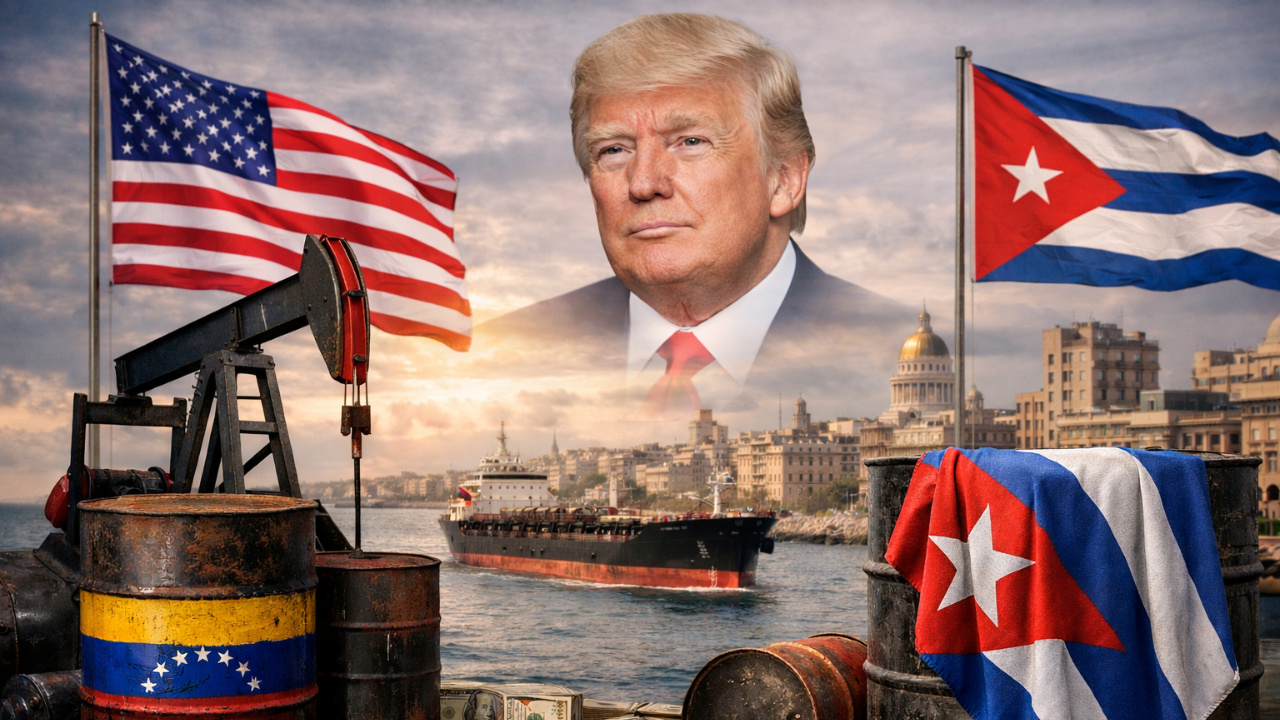

The US Department of the Treasury Announced That It Would Allow the Sale and Resale of Venezuelan Oil to Cuba, With a Focus on the Private Sector, in an Attempt to Ease the Energy Crisis in the Country. The Change Comes Amid Broader Geopolitical Pressure.
The United States Decided to Ease Restrictions on Oil That Were Contributing to the Severe Fuel Shortage in Cuba. The Department of the Treasury Authorized Companies to Apply for Licenses to Resell Venezuelan Oil to the Island, Officials Announced This Wednesday (25).
The New Guidance is on the Website of the US Agency and Brings a Licensing Policy Considered “Favorable” for Transactions that Serve Commercial and Humanitarian Purposes in Cuba.
Partial Relief for Energy Crisis, but With Clear Restrictions
Since January, after the United States Took Control of Venezuela’s Oil Exports, the Shipment of Fuel to Cuba Was Interrupted. This Worsened the Crisis on the Island, Where Fuel is Essential for Energy Generation, Transportation, and Basic Services.
-
Qantas and Airbus Invest in Company Aiming to Convert Unsorted Household Trash into Jet Fuel

-
Brazil’s ANP Opens 86 New Oil Blocks in the Equatorial Margin, Expanding the Amazon River Mouth Frontier

-
OPEC+ Boosts Oil Supply by 188,000 Barrels per Day in July 2026, Leading to Price Drop from $112 to $89 per Barrel in Under Two Months

-
TotalEnergies Signs 20-Year Deal to Purchase 2 Million Tons of LNG from Alaska, Boosting Project Viability



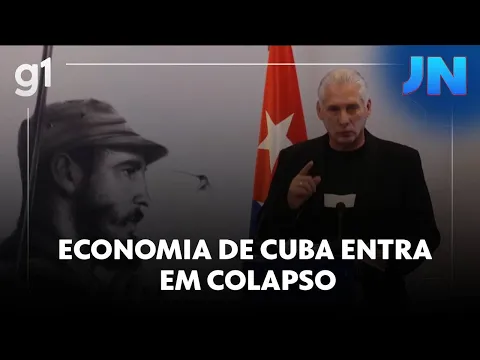

Now, Companies Will Be Able to Seek Licenses to Send Oil to the Cuban Private Sector. In Contradiction, Deals That Directly Benefit the Government or Military Sector of Cuba Will Not Be Authorized.
The Measure Received International Attention and is Seen as an Attempt by the United States to Mitigate Part of the Crisis Without Fully Reversing Sanctions. The Guidance from the Office of Foreign Assets Control (OFAC), Linked to the Treasury, Was Issued for Transactions that “Support the Cuban People, Including the Private Sector,” Excluding Activities Linked to the Government or Armed Forces.
Energy Crisis in Cuba and Regional Impact
Cuba Has Been Facing Fuel Shortages Since the Suspension of Venezuelan Deliveries Following the Change in US Policy. The Lack of Oil Has Led to Blackouts, Transportation Difficulties, and Direct Impacts on Public Services.
The New Rule May Partially Alleviate This Situation, Especially If Large Traders Apply for and Obtain the Necessary Licenses to Export Fuel to the Country. However, Experts Warn That Even With Authorization, Cuba’s Ability to Pay for Oil May Still Be an Obstacle, as the Country Relies on Imports and Faces a Severe Economic Crisis.
Private Sector at the Center of the Strategy
The Focus on the Cuban Private Sector is Deliberate. The Rules Exclude Any Transactions That May Directly Benefit Military or Government Institutions. The Intention is for Fuel to Reach the Population or Civil Companies, Reducing the Suffering Caused by Shortages.
This Approach Creates a Clear Division Between Humanitarian Support and Political Aid, Which May Lead to Intense Debates About the Effectiveness and Real Impact of the Measure.