Portuguese
  Spanish


Measure May Raise Prices, Impact Consumers, and Generate Deep Changes in the Global Technology Chain
On May 23, 2025, Donald Trump declared that he intends to impose a 25% tariff on imported iPhones if Apple does not move production to the United States. According to the former president, the measure will take effect in June and aims to stimulate the domestic industry while reducing dependence on international suppliers. The focus is mainly on cutting ties with factories in China and India. For this reason, the tariff on iPhones has become central to Trump’s plan. The measure represents a new phase of American protectionist policy, which gained momentum since early 2025. Thus, manufacturers that insist on keeping their lines outside the U.S., including Apple, may face severe consequences.
Apple May Be Hard Hit by New Requirement
Apple is one of the companies most exposed to this possible change. Despite having already invested about US$ 500 billion in infrastructure and innovation in the United States, most of its production is still concentrated in Asia. A complete repositioning of the manufacturing chain to American soil, according to analysts, would take between five and ten years. Moreover, this could significantly raise the cost of products. It is estimated that an iPhone, which currently costs an average of US$ 1,200, could cost up to US$ 3,500 with the new production setup. Other tech giants, such as Samsung, would also be subject to the new tariff if they continue to operate with assembly lines outside the U.S. Trump advocated for fair treatment for all manufacturers. He emphasized that he will not allow exceptions. This stance amplifies the potential impact of the economic policy.
Drop in Shares and Legal Uncertainty Increase Tension
The immediate market reaction was intense. Apple shares fell about 3% after the announcement, reflecting investor uncertainty with the developments of this possible tariff. There are fears that the change could lead to widespread price increases, as well as exponentially increase logistical and operational costs. Legally, the imposition of tariffs may face resistance. Experts claim that Trump might try to invoke the International Emergency Economic Powers Act (IEEPA), a law that grants special powers to the president in cases of national emergency. However, interest groups or affected competitors consider the application of this provision in commercial contexts controversial and may challenge it in court.
-
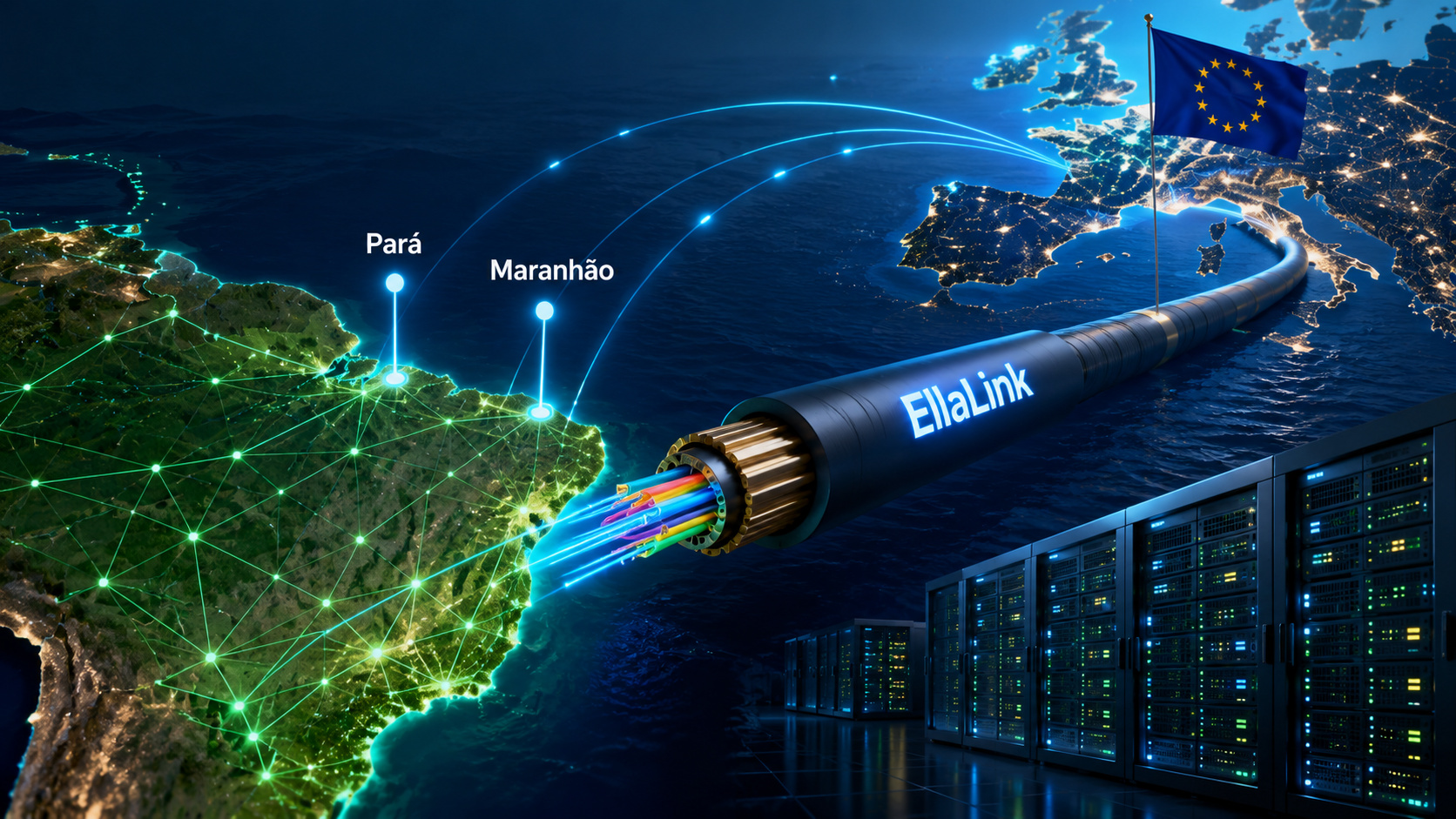
European Union Announces €260 Million Investment to Extend EllaLink Submarine Cable to Northern Brazil, Reducing Digital Dependence on U.S. Routes

-
U.S. Women’s History Museum Stalled in Congress Amid Gender Identity and Diversity Debate
-
European Parliament Approves Digital Euro, Aiming to Challenge Visa and Mastercard’s Dominance and Transform Payments Across Europe by 2029
-
Israel finds Hezbollah militarized tunnel over 200 meters long under village, with 4 missile launch shafts, 12 chambers, anti-tank missiles, drones, and weapons depots at a depth of 25 meters.




Tariff on iPhones Reflects Dispute Between the U.S. and China
Since February 2025, the United States has raised tariffs on Chinese products, currently reaching 145%. China, in direct response, imposed tariffs of up to 125% on U.S. goods, significantly heightening tensions. This move, therefore, integrates a broader economic strategy adopted by Washington, aimed at pressuring partners and reducing deficits in international relations. As a result, the trade dispute triggers a network of tensions that extends beyond borders, affecting production chains and various global companies. Additionally, the 25% tariff on smartphones made outside the U.S. is seen as a reflection of this broader economic war. Thus, the measure reinforces the American effort to reshape the foundations of the technology industry on a global scale.
iPhone Prices May Soar With New Import Tariff
If the tariff is indeed applied, American consumers will have to bear part of the cost. Prices of mobile devices may rise drastically, making them unaffordable for some segments of the population. Additionally, the reorganization of production chains could cause shortages of components, delivery delays, and a wave of price adjustments in electronic products. Companies, on the other hand, will face the challenge of balancing operational costs. Furthermore, they will need to maintain competitiveness at any cost. Therefore, production and distribution strategies will need urgent review. Otherwise, the new tariffs could jeopardize their market results. The scenario thus highlights the complexity of international trade relations and the need for policies that stimulate the domestic industry without destabilizing the global technology market.