






 Portuguese
  Spanish


Giant 20 MW Structure Installed in Hainan in August 2024 Breaks Generation Record and Challenges Environmental Balance
The China has taken another bold step in the clean energy sector by activating, in August 2024, the world’s largest offshore wind turbine. Installed in the province of Hainan, in the South China Sea, the structure was developed by Mingyang Smart Energy and impresses with its dimensions: 242 meters tall and 128-meter blades, each larger than two football fields. As a result, according to company data, the turbine is capable of generating enough electricity to power about 96,000 homes per year.
Strategic Installation in the South China Sea
The choice of Hainan was not by chance, as the region has ideal wind speed conditions and distance from the continental shelf, ensuring maximum efficiency in energy production.
Moreover, with a capacity of 20 MW, the turbine represents a significant advancement for the offshore wind sector, as it allows fewer units to be needed to generate large volumes of energy. This characteristic reduces visual impact and space occupancy in wind farms, optimizing resources and expanding the potential for large-scale adoption.
-
Brazil filled the Northeast with wind turbines but now faces the side effect of 705 giant blades reaching the end of their lifespan by 2032 just in Rio Grande do Norte, while the world projects 43 million tons of waste by 2050.

-
Brazil has filled the Northeast with wind turbines, but now it faces the side effect of 705 giant blades reaching the end of their useful life by 2032 just in Rio Grande do Norte, while the world projects 43 million tons of waste by 2050.
-
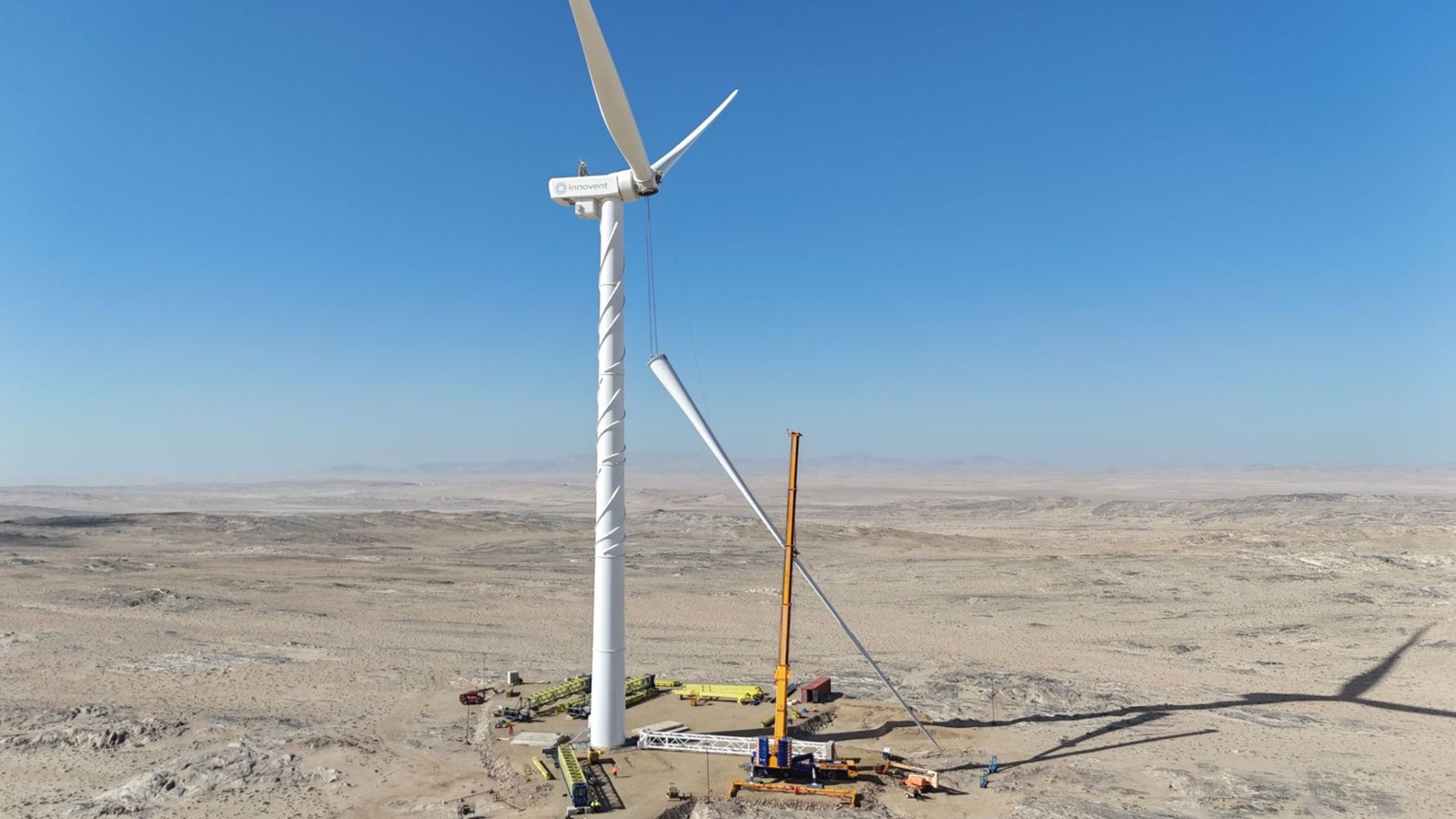
Wind farm in Namibia will have wind turbines assembled without giant cranes and is expected to avoid 200,000 tons of carbon dioxide per year when it becomes operational.

-
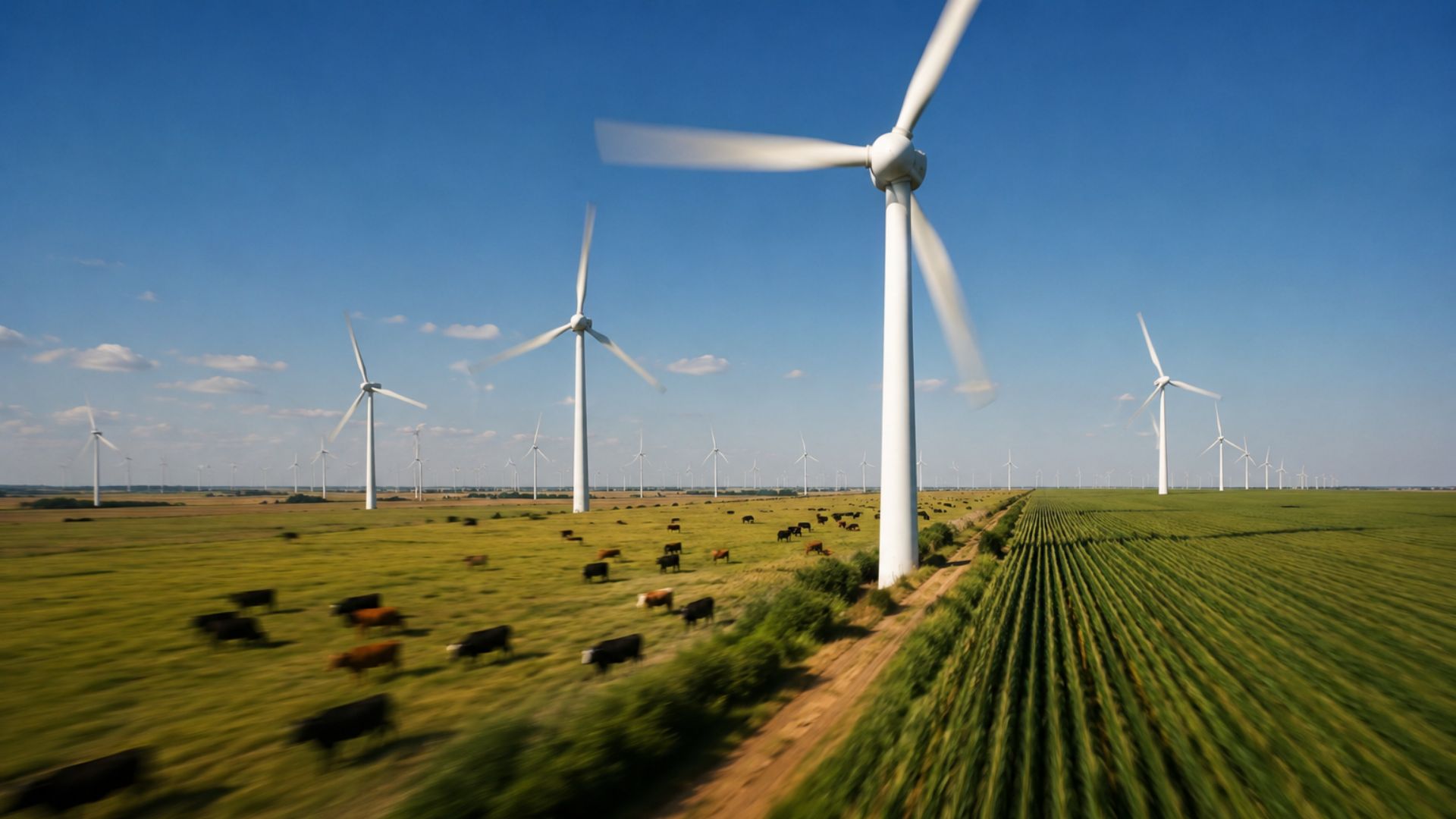
Taller than the Statue of Liberty, thousands of wind turbines are being planted in the middle of U.S. fields, creating two-story farms where corn and soybeans grow below while the wind turns into electricity above.


Unexpected Climate Changes
Despite the energy benefits, the activation of the turbine brought unforeseen environmental impacts. Chinese researchers identified changes in air flows and variations in local temperature, phenomena intensified by the colossal size of the structure.
Therefore, this scenario raises concerns about how mega wind structures can alter microclimate patterns. Thus, studies are underway to measure long-term effects and guide future large-scale projects.
Engineering to Withstand Extremes
Designed to withstand winds of up to 79.8 m/s, the turbine was developed to operate in areas prone to typhoons, providing operational safety and resilience.
Consequently, this robustness paves the way for the deployment of the technology in areas where severe weather phenomena previously made the installation of similar projects unfeasible. Thus, it expands the possibility of use in strategic regions for renewable generation.
Mingyang Smart Energy just launched the, OceanX, it's first dual rotor (16.6 MW) offshore wind turbine, out to sea today. A picture thread of not my pictures. pic.twitter.com/p58rRdRp6c
— JR Urbane Network (@JRUrbaneNetwork) August 12, 2024
Benefits and Challenges of Innovation
Wind energy is recognized for being renewable, clean, and abundant, reducing emissions and contributing to energy and economic stability.
However, the experience with the Hainan turbine reinforces that innovation and environmental preservation must go hand in hand. Therefore, the unintended effects on the microclimate highlight the importance of rigorous environmental assessments before the implementation of large-scale projects.
Global Milestone and Environmental Lesson
The Mingyang turbine is not only a milestone in engineering, but also a wake-up call about the challenges of balancing technological advancement and conservation.
Thus, like other major innovations in the energy sector, success will depend on the ability to combine efficiency gains with the protection of local ecosystems, ensuring that progress does not come at the cost of irreversible impacts.
What do you think should be the priority for the future of wind energy: rapidly expanding generation capacity to accelerate the energy transition or investing in more cautious growth while ensuring environmental preservation?





Be the first to react!