Portuguese
  Spanish


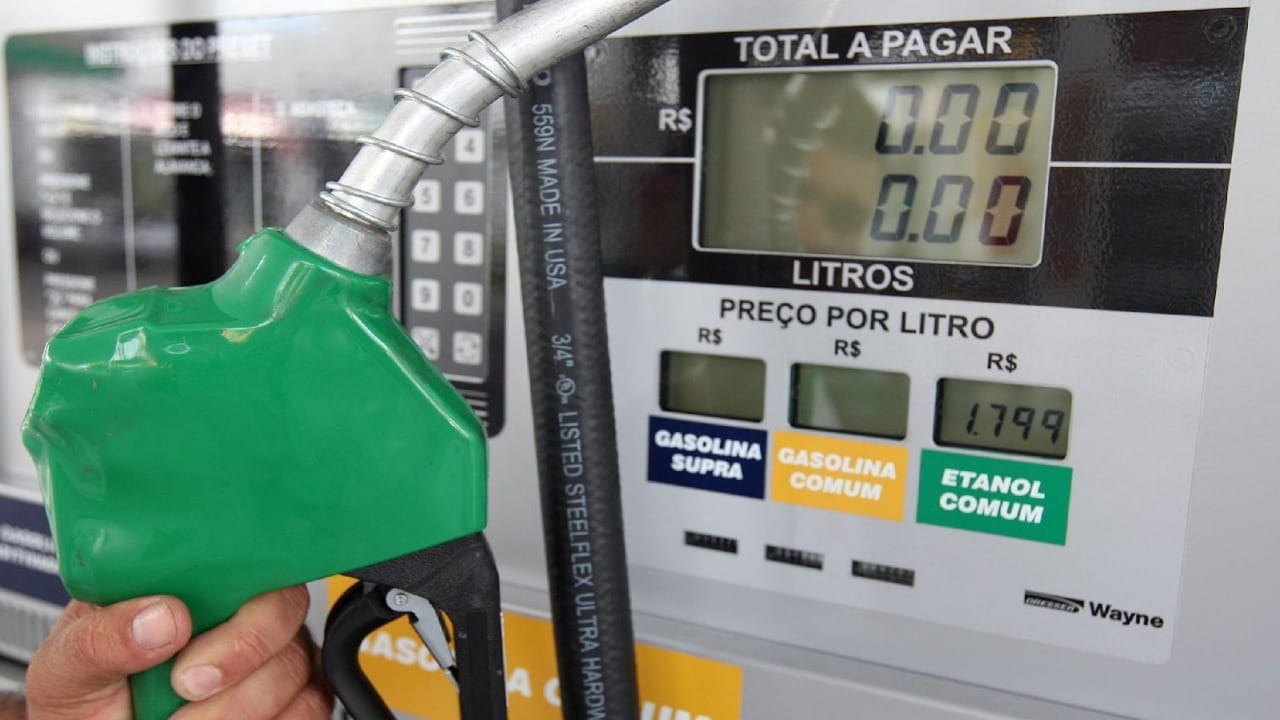

Myths And Valuable Tips That Will Help You Save Money And Optimize Fuel Efficiency In Your Car
The frequent increases in gasoline, diesel, ethanol, and CNG prices present challenges for drivers, who daily seek effective strategies to save fuel on every trip. Knowing efficient strategies becomes crucial. Be prepared to adopt practices that really make a difference and avoid falling for myths that can compromise not only your vehicle’s performance but also your daily budget.
Check out some tricks that reveal assertive advice and others that are mere myths. This will help you, an average consumer using the car daily to travel, work, or take your child to school. Or you, a taxi or rideshare professional, to save fuel, money, and lighten your wallet!
1. Ideal Speed To Save Fuel:
Driving at 90 km/h has been considered a secret to saving fuel, but the automotive group RAC debunks this myth. According to them, efficiency varies between 70 and 80 km/h, depending on the type and size of the vehicle. Data reveals 9% more fuel consumed at 115 km/h compared to 95 km/h, highlighting that optimal speed is crucial for savings. See below the fuel consumption at different speeds:
-
1983 Chevrolet Runs Over 100,000 km Without Gasoline, Powered by Wood Chips, Reaches 125 km/h in Airport Test

-
Workshop Converts Giant Tractor Tire Tricycle into a Three-Wheel Drive Hybrid with 36,000-Watt Electric Motor Capable of Climbing Hills

-
Sales of Brazil’s Cheapest Electric Car Halted Before First Deliveries: E-Motors Suspends Emova Easy Due to Import Tax Increase and Rising Freight Costs

-
Nissan Discontinues Qashqai SUV Amid Cost-Cutting, Chinese Competition, and Product Line Review




- 9% More fuel consumed at 115 km/h compared to 95 km/h
- 15% More fuel consumed at 115 km/h compared to 80 km/h
- 25% More fuel consumed at 130 km/h compared to 115 km/h
It is worth noting that transitioning to more efficient speeds not only benefits your fuel economy but also reduces the environmental footprint. Now, let’s explore another common myth related to air conditioning.
2. Air Conditioning vs. Open Windows:
The temptation to turn off the air conditioning in search of fuel savings is real, and here is the truth behind that choice. Turning on the air conditioning system can increase fuel consumption by up to 10%, especially on short trips. However, speed plays a crucial role; above 80 km/h, the air conditioning surpasses open windows in efficiency.
This dilemma highlights the importance of making informed decisions to maximize savings and maintain a balance between comfort and efficiency.
3. Coasting In Neutral: Between Inertia And Waste
Turning off the engine in neutral saves fuel? The Automobile Association advises against this practice, arguing that in most modern cars, coasting does not lead to significant savings. More than a myth, this underscores the need to understand current technologies to make informed fuel economy decisions.
4. Cruise Control: Myths And Realities In Fuel Economy
Cruise control, acclaimed by many as a fuel saver, has its limitations. While effective on flat highways, on hilly roads it can be counterproductive. Its inability to anticipate changes in incline leads to greater fuel consumption on descents. This challenged myth highlights the need to evaluate the appropriateness of this technology in different driving environments.
5. Inflated Tires: The Right Pressure For Fuel Economy
Incorrect tire pressure can be a silent fuel thief. Keeping them properly inflated not only enhances safety but also saves gasoline. Adjusting the pressure according to the manual’s recommendations, especially before long trips, is essential. However, let’s remember that additional weight, while minimal, affects consumption, highlighting the importance of traveling light.
With these evidence-backed tips, you can maximize fuel economy and contribute to more efficient and sustainable driving. In a world where every drop counts, making informed decisions is crucial to face the challenges of high fuel prices and drive towards a more economical and eco-friendly future.