






 Portuguese
  Spanish


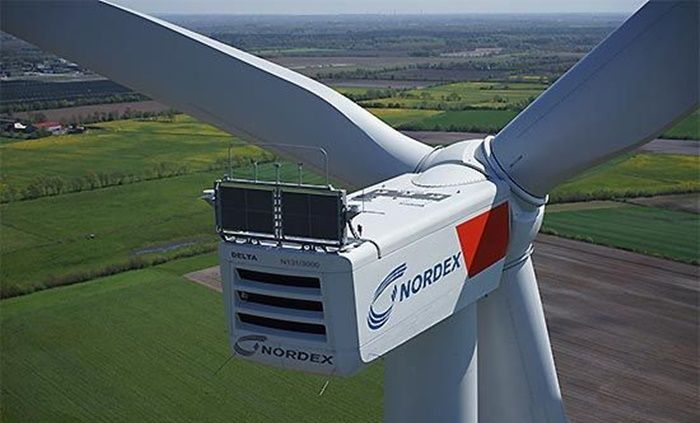

The German Multinational Turbine Manufacturer Nordex Is Investing in Brazilian Soil to Boost the Wind Energy Industry
Nordex offers excellent conditions in wind turbines, with wind energy being one of the most important energy sources in the country. In mid-2020, the installed capacity in Brazil reached 16 GW. This represents a significant increase in recent years and has seen the wind energy sector become an increasingly important element of the Brazilian electricity market. After hydropower, wind energy is now the second largest component of the Brazilian electricity generation matrix, placing the second largest country in South America among the global leaders in renewable energies.
Also Read
- German Multinational to Invest R$60 Million in Wind Turbine Production in Brazil
- Petrobras and Federal Government Close to Agreement on Transfer of Rights.
- Wind Energy Responsible for Over 19,000 Jobs in Brazil
- In RJ, Oil & Gas Company Starts Program for Young Engineers
The Power of Nordex Wind Turbines
Nordex wind turbines can generate significantly more electricity under Brazilian conditions than in many other countries. In fact, due to the excellent wind conditions, the average capacity factor of a wind farm in Brazil can reach 50 percent – significantly above the global average. For comparison, in other countries, this value can be as low as 25 percent (Source: ABEEólica).
Favorable average wind speeds, highly suitable for onshore wind energy generation, can be found primarily in the Northeast Region of Brazil, where the coastal terrain is flat.
-
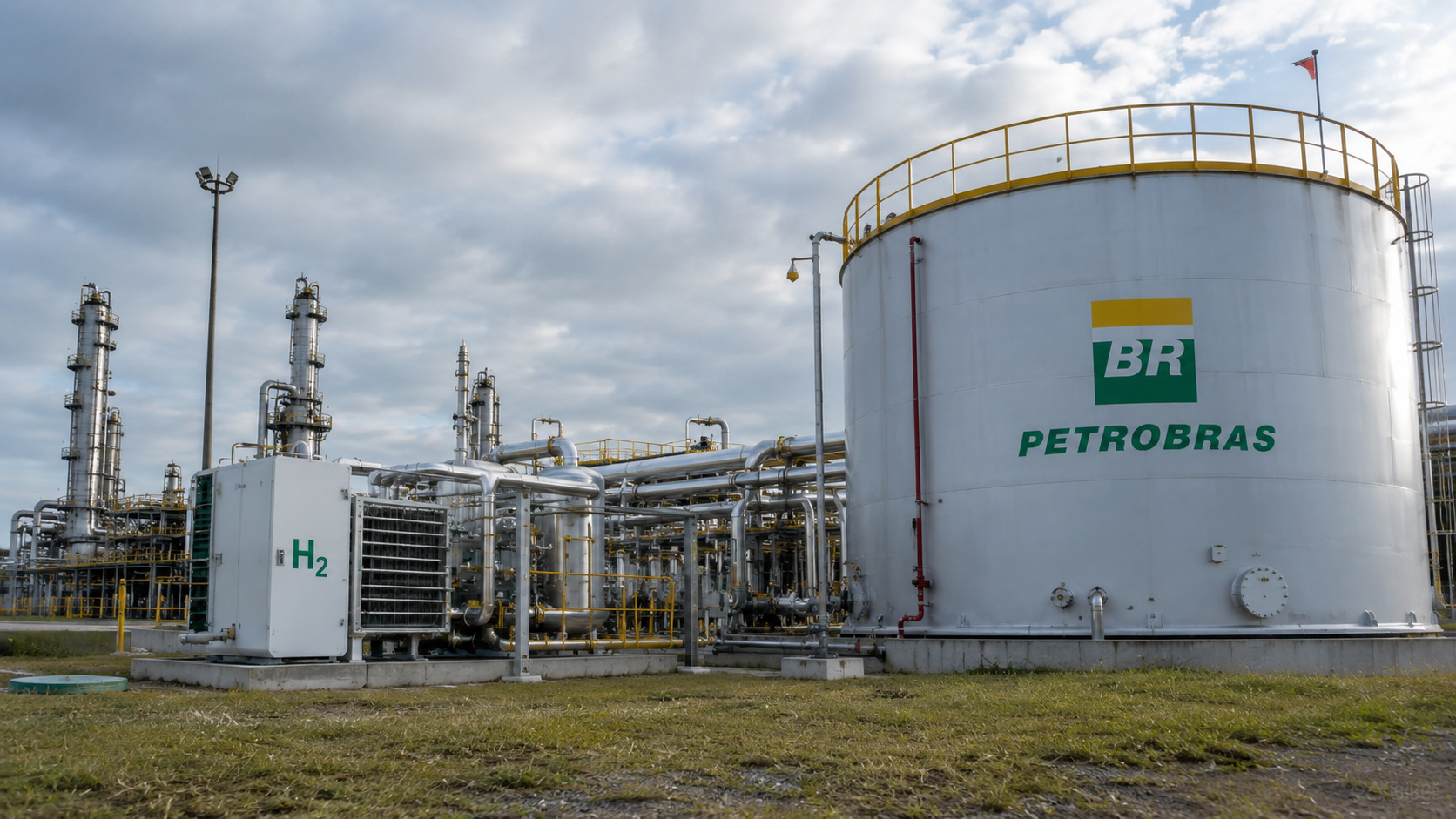
Brazilian scientists are simultaneously advancing two research projects on clean hydrogen and driving solutions that could transform the energy matrix, enhance industrial competitiveness, and accelerate large-scale emission reduction targets.

-
Advancement in renewable energy: A R$ 150 million project launched by Petrobras and Finep aims to create state-of-the-art electrolyzers for green hydrogen, strengthening national research and preparing Brazil to compete in a billion-dollar energy market.
-
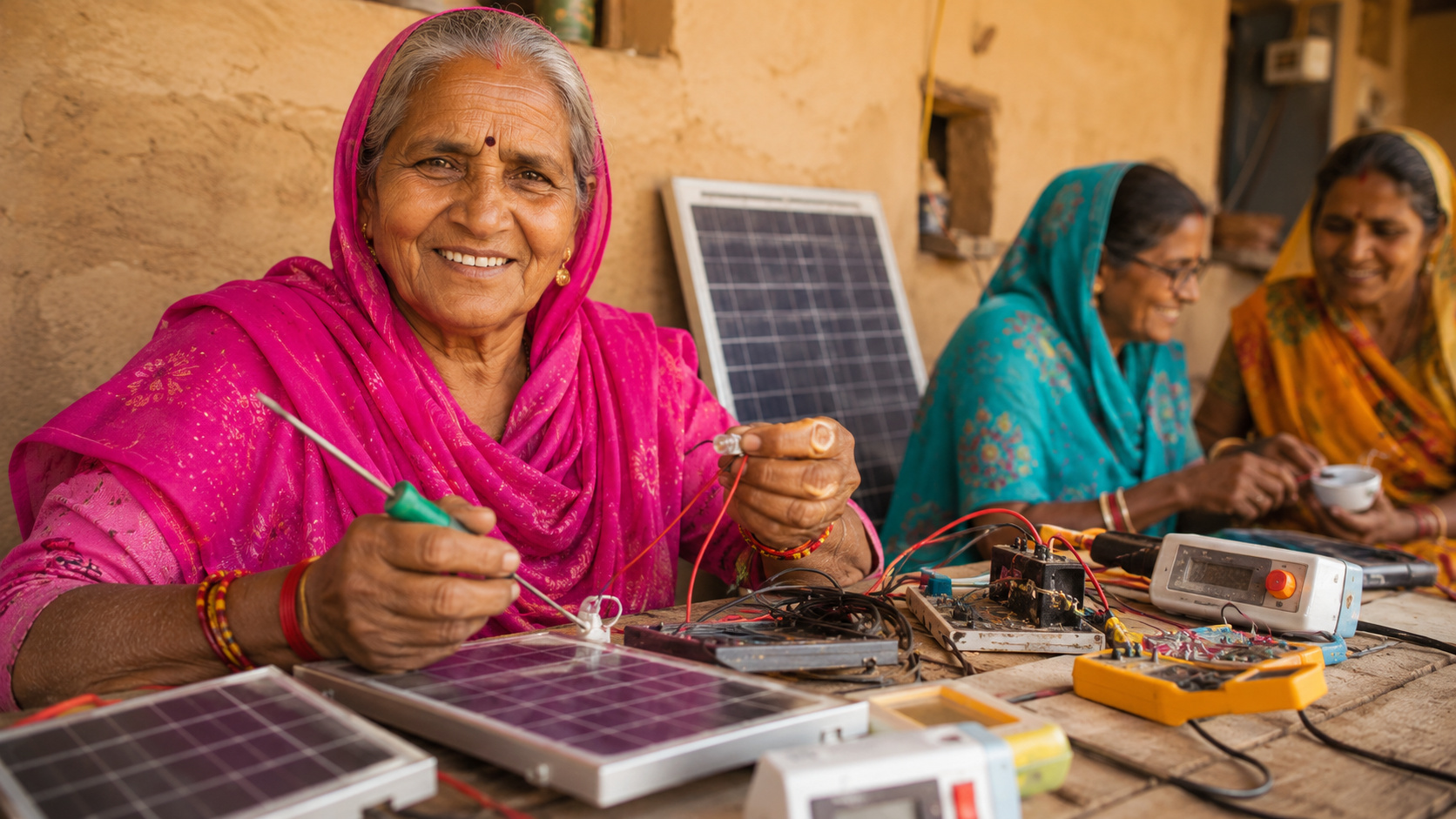
Illiterate or semi-literate grandmothers were trained to repair solar systems, open rural workshops, and light up homes that still depended on kerosene.
-
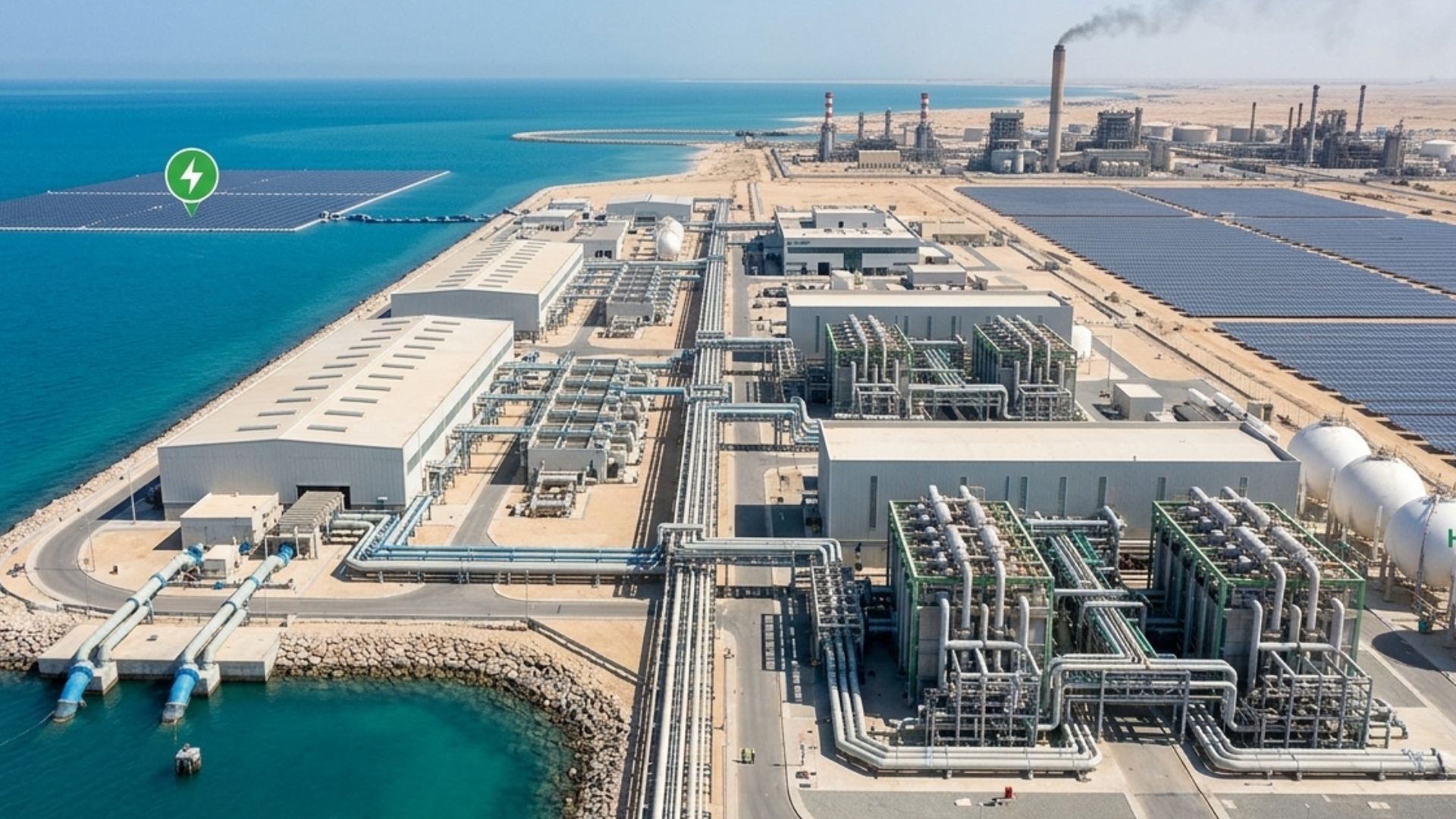
The world has bet on green hydrogen as the fuel of the future, but now faces the side effect: producing 1 kilogram requires about 9 liters of ultrapure water, and the largest projects on the planet are precisely in the driest regions of the Earth, where water is already scarce for people.


In the state of Piauí, the Nordex Group is building its largest wind turbine project to date, the Lagoa dos Ventos wind farm, with 716 MW. The Group also manufactures the concrete towers for the AW125/3000 and AW125/3150 turbines at its own tower production facility, which is located close to the construction site, also reducing logistics costs and speeding up construction. Additionally, the interior of the country and its plateaus also offer significant potential for large-scale projects.
Optimistic Outlook for Brazil’s Wind Energy Industry
In the past three years, the Brazilian electricity market has evolved from an auction market to a free energy market. As a result, Power Purchase Agreements (PPAs) continue to grow in importance.
Due to the excellent wind turbine resources in the country and the fact that, according to the Electric Energy Trading Chamber (CCEE), wind energy represents a comparatively low-cost energy source, the installed capacity of wind energy is expected to continue growing at approximately 2.5 – 3 GW per year.
The Nordex Group currently employs over a thousand people in Brazil and, with its attractive product portfolio, is ideally positioned to meet customer needs and fulfill project requirements.





