Portuguese
  Spanish



Company Faces Intense Competition and Strict Regulations — Find Out How This Affects the Future of Uber and the Global Market!
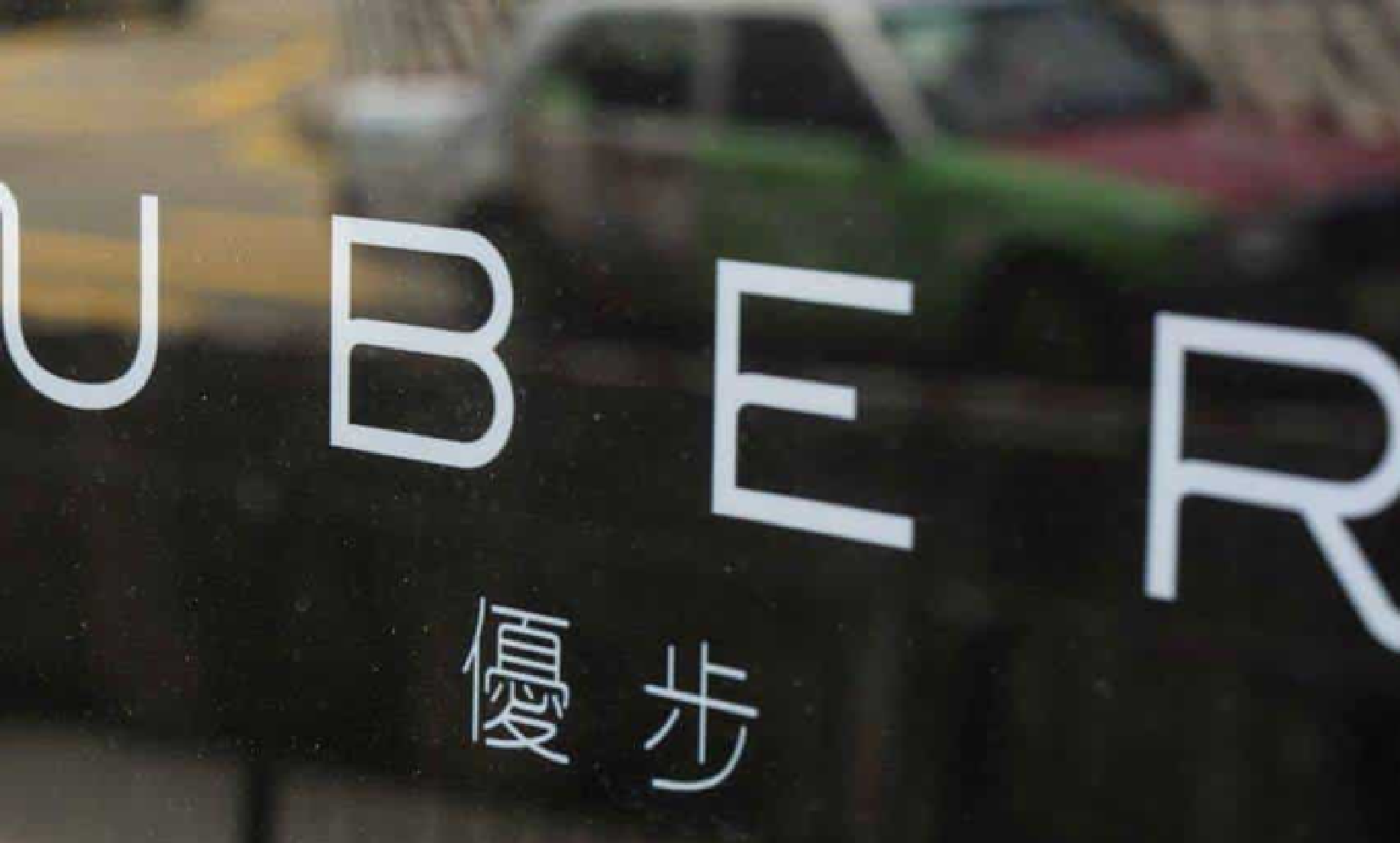
Uber, the global giant in ride-sharing, has just announced that it will cease operations in yet another country. The move reinforces the huge challenges the company faces in maintaining its global presence, especially in markets where local competition is aggressive and regulations are increasingly strict.
Why Did Uber Leave China? The Case That Became a Reference
One of the most notable episodes was Uber’s exit from China in 2016, motivated primarily by the intense battle against the local competitor Didi Chuxing. The competition was so fierce that it generated a true “subsidy war”, with both companies heavily investing in discounts to attract drivers and passengers.


The result? Billions in financial losses and an unsustainable environment for Uber to continue operating. Consequently, the company decided to sell its Chinese subsidiary to Didi in exchange for a minority stake. The strategy allowed to reduce losses and focus on more promising markets.
-
Abandoned Coal Crane at Copenhagen’s Old Port Transformed into Luxury Waterfront Retreat with Spa and Ship Views

-
Couple Sold Everything to Restore a 300-Year-Old Abandoned Mansion, Uncovering Ancient Books and Untouched Rooms
-
Couple Builds Sustainable Home from Straw Bales, Wood, and Clay in Brazil
-
At 64, Grandma Sônia Turned Homemade Recipes into a Family Business, Growing Casa de Bolos to Over 600 Locations and Expanding to Portugal




What Are Uber’s Next Challenges in the World?
The mobility sector faces increasingly fierce competition, with the constant emergence of new apps and startups competing for market space. In addition, companies must deal with strict local regulations, aslaws vary significantly from country to country, requiring complex and ongoing adaptations.
Another important challenge is the advancement of emerging technologies, such as autonomous vehicles, which demand heavy investments in research and development, as well as facing regulatory barriers in various regions. At the same time, maintaining a good relationship with drivers and customers is essential: safety, reliability, and accessibility are crucial factors for ensuring user loyalty and sustainable business growth.
How to Become an Uber Driver? Check Out the Requirements
If you are interested in working as an Uber partner driver, here’s what you need:
- Drivers license with EAR (Exerce Atividade Remunerada) annotation
- Registered vehicle in good condition
- Car insurance and a cellphone compatible with the app
- Criminal background check
- High-quality photo for the profile
The specific vehicle requirements, such as year of manufacture, may vary depending on the city. Stay tuned to local requirements!