








The story of Sônia Ramos shows how a homemade recipe, created to help with the family’s finances, transformed into one of the largest cake franchise networks in the country, with hundreds of stores, large-scale daily production, and international expansion.
Sônia Ramos, known as Grandma Sônia, entered the business world at 64 when the family needed to supplement their income. What started from homemade cakes prepared for relatives, friends, weddings, and birthdays turned into Casa de Bolos, a network that surpassed 600 units in Brazil.
The first store was opened in 2010, in downtown Ribeirão Preto, in the interior of São Paulo. According to UOL, the story began at a time of family need, after one of the sons lost his job. The answer came from the kitchen, but the result surpassed the domestic environment and became a national operation.
Today, Casa de Bolos presents itself as the largest cake franchise network in Brazil. The brand’s official website reports 611 stores, presence in 250 cities, 110 flavors, and production of 65,000 cakes per day. The company also opened a unit in Lisbon, Portugal.
-
A Brazilian city decided to purchase a piece of the Atlantic Forest with more than 153,000 square meters, and owners of preserved areas will be able to submit proposals to transform the forest into a conservation unit.

-
Brazilian siblings aged 11 and 7 read 240 books in just one year and caught attention on social media: while many children spend hours on screens, they turned their family’s routine into an example of reading, discipline, and curiosity.
-
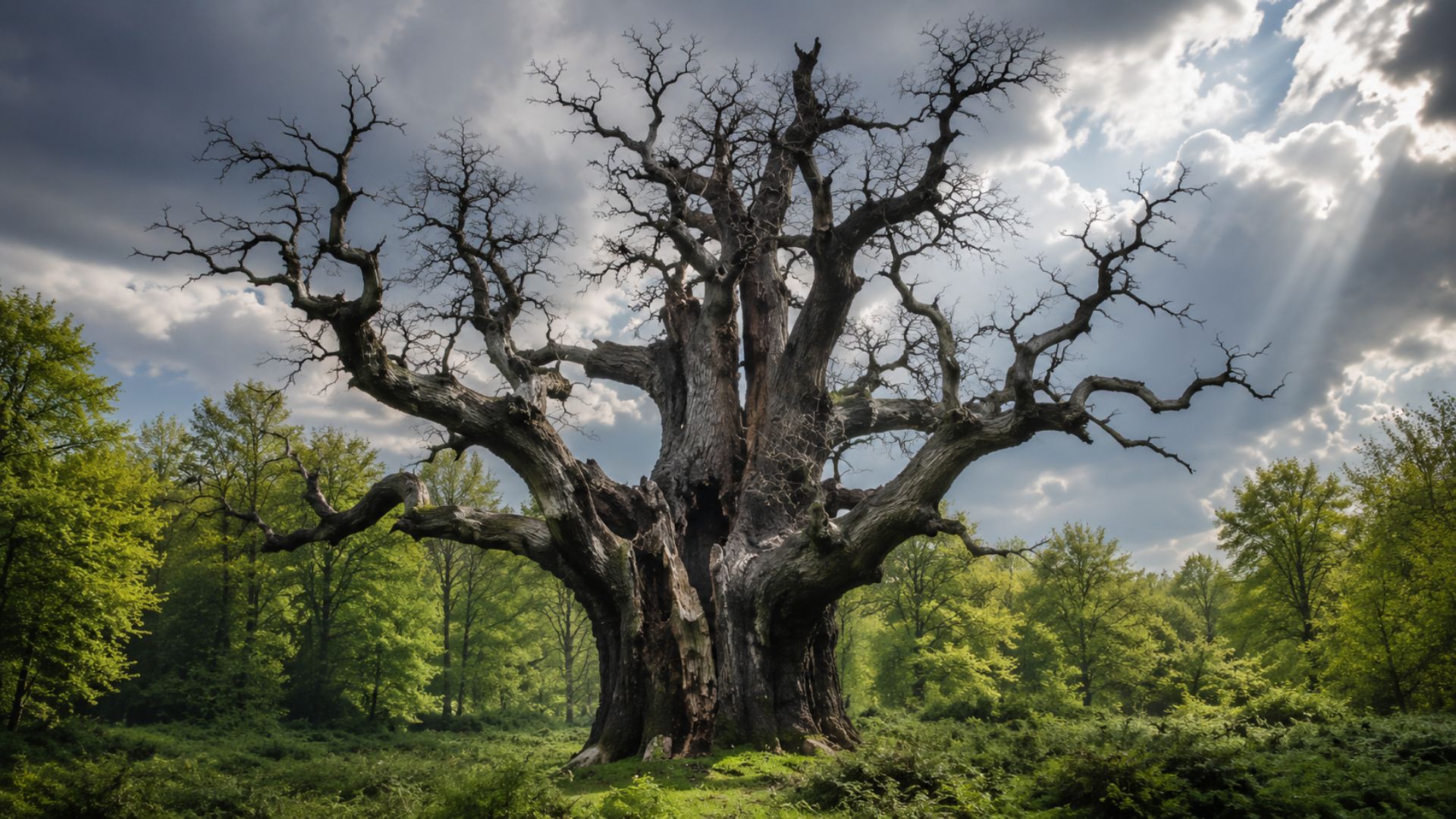
The legendary oak that, according to the story, hid Robin Hood from the Sheriff of Nottingham, died at the impressive age of 1,200 years in England, and the first chilling sign of its end was that no leaves sprouted on the tree this spring.

-
While the world looks at forests, the UN warns that the Earth is also threatened by the silent degradation of natural grasslands and savannas, ecosystems that cover half of the planet, support billions of people, and can exacerbate water, food, and climate crises.

The first store was born out of a family need in Ribeirão Preto
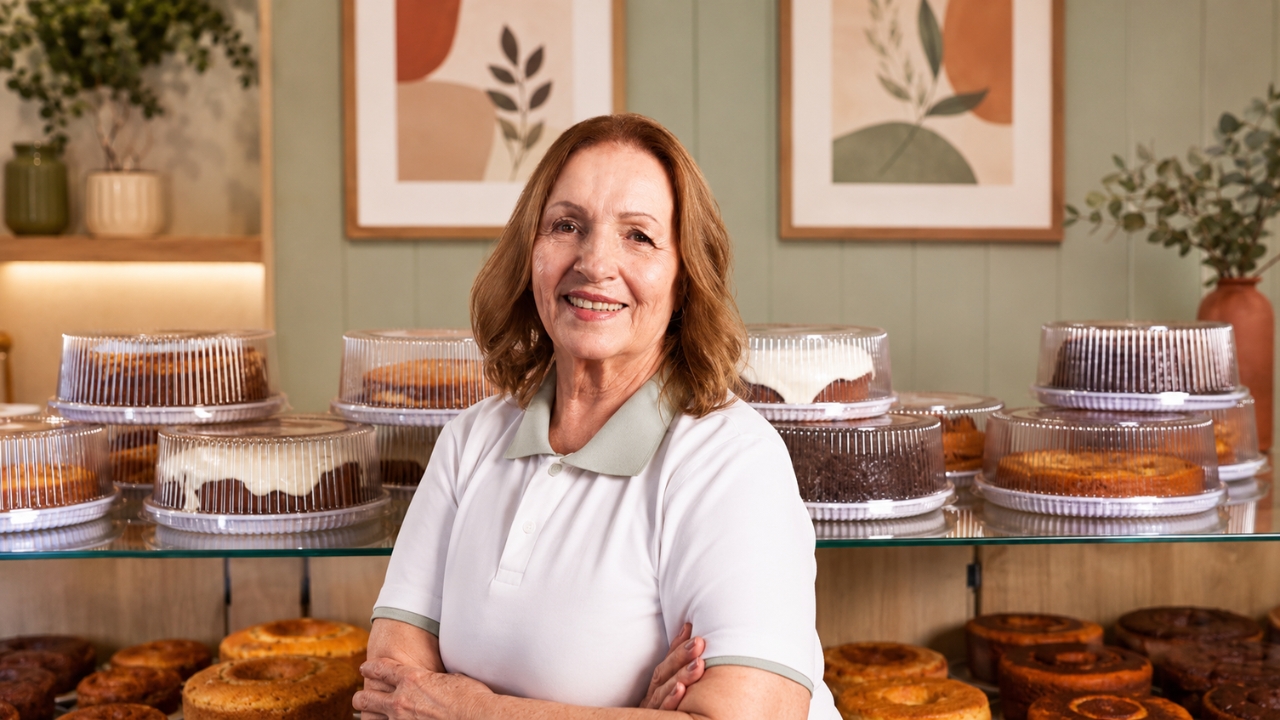
Before becoming the protagonist of a national franchise story, Sônia Ramos was already making cakes for those close to her. They were recipes associated with emotional memory, the taste of home, and the idea of a simple cake, sold without the weight of a sophisticated bakery.
According to UOL, the turning point came when the family needed to find an alternative income. Sônia and her youngest son began to divide their time between customer service, kitchen, and management of the first store, opened in 2010.
The operation started small but grew quickly. Still according to UOL, by the end of the first year, the family was already running five stores. By the third year, the network had reached 100 units.
This growth explains why the trajectory of Casa de Bolos draws attention. The brand did not originate from a large laboratory, a million-dollar campaign, or a technological idea. It grew from a common product, known by almost all Brazilians.
From five stores in the first year to a network with more than 600 units
The expansion through franchises began in 2011, a year after the opening of the first unit. The model allowed the business to expand from Ribeirão Preto to other cities, maintaining the homemade cake concept as the brand’s core.
Exame reported that Casa de Bolos started operating in more than 250 cities and in 20 states. The company’s official website indicates 611 stores, 110 flavors, and a daily production of 65,000 cakes.
The number is strong because it shows the scale achieved by a simple idea. The network began selling traditional cakes, filled cakes, cakes in a jar, mini cakes, baby cakes, bites, and toppings. Among the flavors, there are options like cornmeal, corn, carrot, chocolate, orange, coconut, lemon, passion fruit, banana with cinnamon, and cornmeal with guava paste.
According to Forbes, the apple with nuts cake is among the network’s bestsellers, while the cornmeal cake is cited as the first flavor launched and the founder’s favorite.
The difference was in the simple cake, made at the point of sale
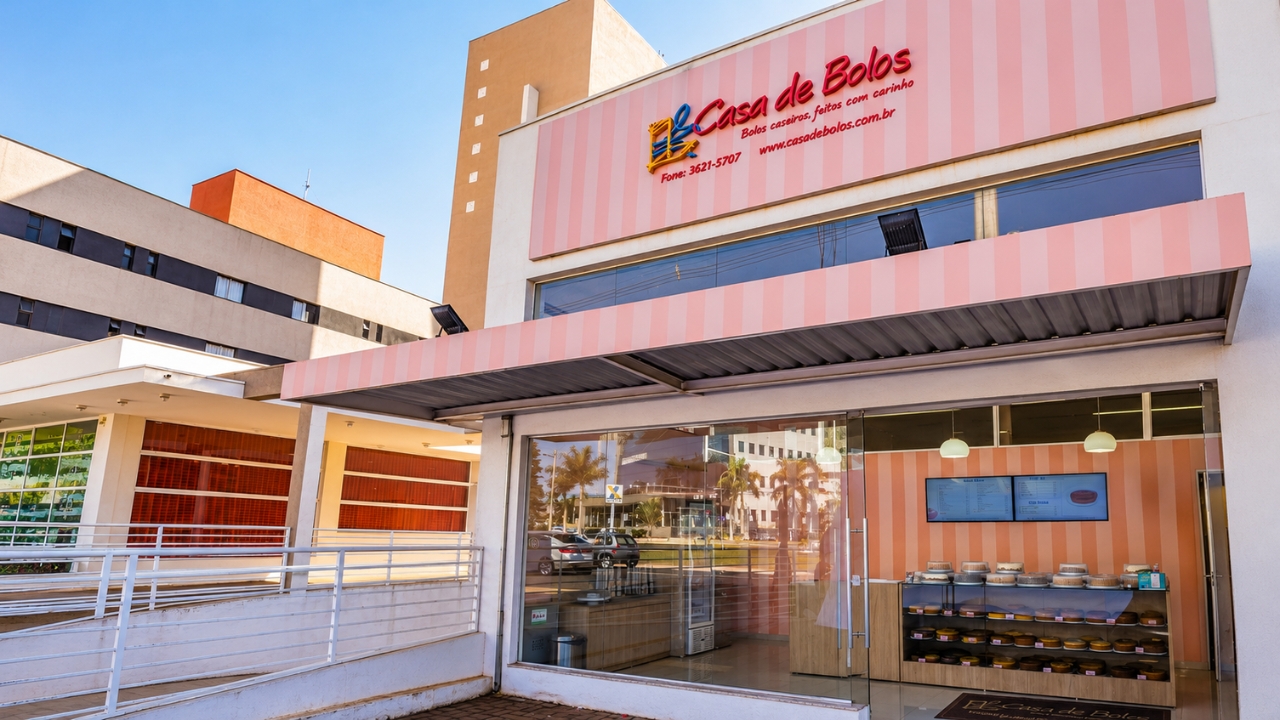
One of the central points of Casa de Bolos’ model is production within the stores themselves. According to Terra, each franchised unit prepares its cakes following Sônia’s original recipes, with training conducted at the company’s headquarters in Ribeirão Preto.
This differentiates the operation from a centralized industrial logic. The brand’s appeal lies precisely in the idea of fresh cake, prepared on-site, with a taste associated with family cooking.
The official franchise website states that the network works with selected ingredients, fresh fruits, and without ready-made dough, powdered eggs, preservatives, flavorings, essences, or other additives.
The company also informs franchise models such as Express, Standard, Mini, Kiosk, and Hub. In the reference data from April 2026, the initial investment in the Express model starts at R$ 113,000, with an estimated return between 18 and 24 months and an average gross margin of 60%.
The brand left Brazil and entered the radar of a multinational
The expansion of Casa de Bolos was not restricted to the Brazilian market. The network opened its first international store in Lisbon, Portugal. According to the official website, the Portuguese unit uses local ingredients and maintains the homemade production concept.
The growth also led the brand to a new business stage. In May 2026, AB Mauri Brasil, a subsidiary of Associated British Foods, signed an agreement to acquire 100% of Casa de Bolos.
In the official statement, AB Mauri reported that the operation was still subject to regulatory approvals. The company also stated that Casa de Bolos would continue to operate independently, maintaining its name, positioning, portfolio, and franchise model.
AB Mauri Brasil reports having over 90 years of operation in the country and works with brands such as Fleischmann, Fleischmann Gran Finale, Mauri, Aromaferm, Sohovos, and Softase-R, in addition to distributing Twinings, Ovomaltine, Amigos do Bem, and Danke.
Forbes published that Sônia, at 80 years old, sold Casa de Bolos to AB Mauri Brasil. The value of the operation was not officially disclosed by the companies.
Revenue varies by source, but shows a large-scale network


The published sources about Casa de Bolos present different revenue figures, depending on the date and context. UOL cited R$ 650 million. Exame reported a projection of R$ 650 million in 2025, compared to R$ 580 million in 2024.
Forbes and Seu Dinheiro reported, in later data, that Casa de Bolos closed 2025 with R$ 720 million and projected R$ 800 million in 2026.
Therefore, the safest data is to state that the network surpassed 600 stores and reached an annual revenue in the hundreds of millions of reais. The exact number changes depending on the source and the period analyzed.
Even so, the impact of the story remains. An operation that began with homemade cakes sold to help with family expenses became a national network, with international presence and interest from a multinational in the food sector.
The case shows the weight of senior entrepreneurship in Brazil
Sônia Ramos’s trajectory also aligns with a larger phenomenon. Sebrae reported that Brazil reached 4.3 million business owners over 60 years old in 2024, with a growth of 53% between 2012 and 2024.
Women represented 29.9% of senior entrepreneurs, the best result in the historical series cited by Sebrae. In this context, Vó Sônia’s story goes beyond a cake brand.
It shows how experience, domestic routine, family business, and franchising can intersect in a large-scale market. The case is not just about a recipe that worked, but about how a simple solution, created in a moment of need, became a company capable of crossing cities, states, and even borders.







Be the first to react!