Portuguese
  Spanish



Negotiations Between Ukraine and Russia in Geneva Lasted About Two Hours on the Second Day, Maintained Stalemate Over Donbas, Involved Pressure from the United States for Territorial Concessions, and Ended with Public Accusations of Buying Time and Uneven Progress
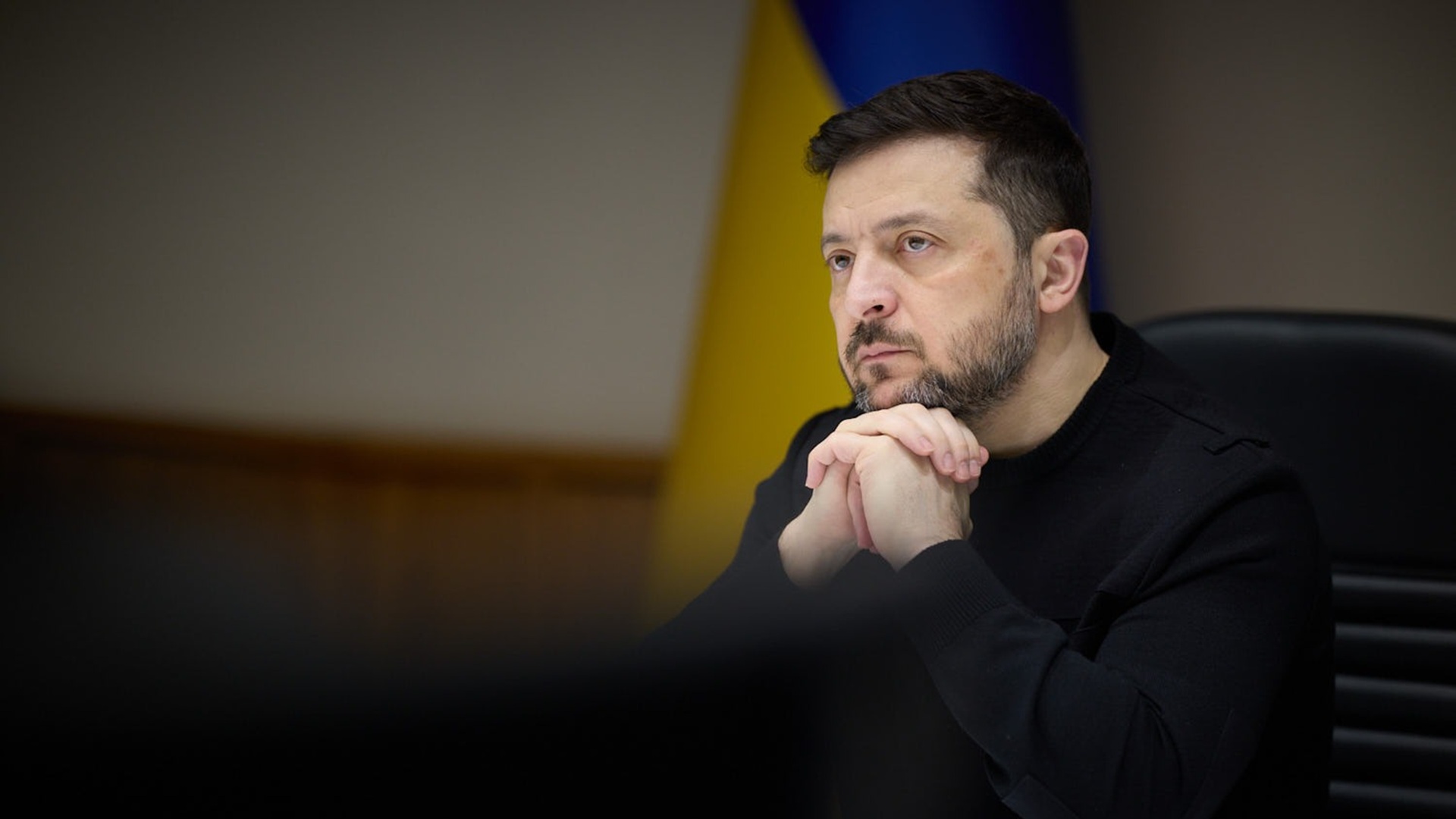
The negotiations between Ukraine and Russia, mediated by the United States, ended this Wednesday in Geneva after about two hours on the second day of talks, with no decisive advances. Volodymyr Zelenskyy accused Moscow of buying time, maintaining territorial stalemates after four years of war.
Ukraine and Russia End Round in Geneva Without Substantial Advances
The peace negotiations between Ukraine and Russia took place over two days in Switzerland and focused mainly on territorial issues, considered the main obstacle to an agreement for many months. The meeting was mediated by the United States.
Ukrainian President Volodymyr Zelenskyy described the progress as “uneven” and stated that Moscow was trying to prolong talks that, according to him, could have reached the final phase.
-
European Parliament Approves Digital Euro, Aiming to Challenge Visa and Mastercard’s Dominance and Transform Payments Across Europe by 2029

-
Israel finds Hezbollah militarized tunnel over 200 meters long under village, with 4 missile launch shafts, 12 chambers, anti-tank missiles, drones, and weapons depots at a depth of 25 meters.

-
Ukraine launches largest drone attack on Moscow since 2022, Russia claims to have intercepted nearly 200 aircraft near the capital, Kapotnya refinery targeted again, and offensive reignites alert about war reaching the Russian energy heart just a few kilometers from the Kremlin.

-
Truck drivers, freight, and fines from 2022 take center stage in politics: Chamber approves MP with amnesty, mandatory tracking by CIOT, million-dollar penalties, and new minimum wage for those who spend more than 24 hours on the road.


“Russia is trying to prolong negotiations that could have reached the final phase,” Zelenskyy stated in a social media post. He reiterated that Ukraine’s sovereignty and its internationally recognized borders are non-negotiable.
Territorial Stalemate Remains as Main Obstacle
Russian President Vladimir Putin has shown no willingness to abandon the demand that Ukraine formally and permanently cede the occupied territory in the east of the country as part of a peace agreement.
Russia presses for full control of the industrial heart of eastern Ukraine, the Donbas region, where fighting has been occurring since 2014. Initially, the clashes involved Ukrainian forces and Moscow-backed separatists. For at least the past four years, Russian and Ukrainian forces have been facing each other directly.
Kremlin spokesman Dmitry Peskov stated that the main issues involve both the territories and other claims made by Moscow.
In an interview with Axios, Zelenskyy said he was willing to discuss troop withdrawals to create a neutral, internationally monitored buffer zone, but rejected the Russian claim of sovereignty over Donbas.
He declared that the Ukrainian people would never support a withdrawal that meant handing over territory to Russia. “Emotionally, people will never forgive this. Never,” he stated. “They will not forgive me, they will not forgive the U.S.”
U.S. Pressure Marks Negotiations Between Ukraine and Russia
U.S. President Donald Trump pressured Ukraine and Russia to reach an agreement and suggested that Kiev might have to cede part of its territory in exchange for peace.
On Monday, Trump described the negotiations in Geneva as “important” and told reporters aboard Air Force One that “Ukraine needs to sit down at the negotiating table quickly.”
Zelenskyy and American allies in NATO have repeatedly warned that a territorial concession would create a dangerous precedent, sending the message that Putin would be rewarded for the unilateral invasion of a neighboring country.
The Ukrainian leader emphasized that clear guarantees of protection against future Russian aggression must be part of any agreement. According to him, such guarantees can and should be formalized before reaching conclusions on controversial territorial issues.
“Our American friends are preparing security guarantees. But they said: first this territory swap, or something like that, and then the security guarantees. I believe that security guarantees should come first,” he stated.
He added that he would not accept an agreement that would allow Russia to recover quickly and reoccupy the country. According to him, this is essential to avoid new cycles of conflict.
Delegations Report Limited Progress and New Talks
The head of the Russian delegation in Geneva, Vladimir Medinskiy, characterized the discussions as “difficult but professional,” according to the Russian state agency RIA.
After the meetings, Medinskiy stated that new negotiations would take place soon, without specifying a timeline.
The chief negotiator for Ukraine, Rustem Umerov, stated: “There is progress,” but added that it is complex work requiring alignment among all parties and sufficient time.
Zelenskyy also advocated for more direct involvement of European Nations in the negotiations between Ukraine and Russia. According to him, European presence is crucial for the successful implementation of fully viable agreements.
“Ukraine has no doubt that the partners are capable of ensuring the constructiveness of the negotiation process and, consequently, a satisfactory outcome,” he stated.
Prisoner Swaps May Be Only Concrete Outcome
The Ukrainian and Russian delegations had previously met in Abu Dhabi in January, in an earlier round mediated by the U.S. At that time, there was the first prisoner swap between the countries in five months.
Zelenskyy stated this Wednesday that another swap may occur soon. If confirmed, it could be the only concrete result of this week’s negotiations in Geneva.
So far, the talks between Ukraine and Russia remain marked by central divergences over territories, security guarantees, and conditions for a potential peace agreement, keeping the conflict in a diplomatic stalemate that continues without immediate resolution.