Portuguese
  Spanish


The Ukraine resumed, on this Wednesday (22), the pumping of Russian oil to Europe through the Druzhba pipeline, restoring one of the continent’s main energy routes. The resumption comes after a system interruption, which had been out of operation since January, when a section was damaged amid the conflict with Russia.
This move, in turn, paves the way for the preliminary adoption of a large scale loan from the European Union to the country, reinforcing the connection between energy, financing, and geopolitics in the current scenario.
Druzhba Pipeline Resumes Operations After Months of Interruption
The Druzhba pipeline — one of the largest oil transport systems in the world — plays a central role in the energy supply of Central and Eastern Europe.
-
Qantas and Airbus Invest in Company Aiming to Convert Unsorted Household Trash into Jet Fuel

-
Brazil’s ANP Opens 86 New Oil Blocks in the Equatorial Margin, Expanding the Amazon River Mouth Frontier

-
OPEC+ Boosts Oil Supply by 188,000 Barrels per Day in July 2026, Leading to Price Drop from $112 to $89 per Barrel in Under Two Months

-
TotalEnergies Signs 20-Year Deal to Purchase 2 Million Tons of LNG from Alaska, Boosting Project Viability
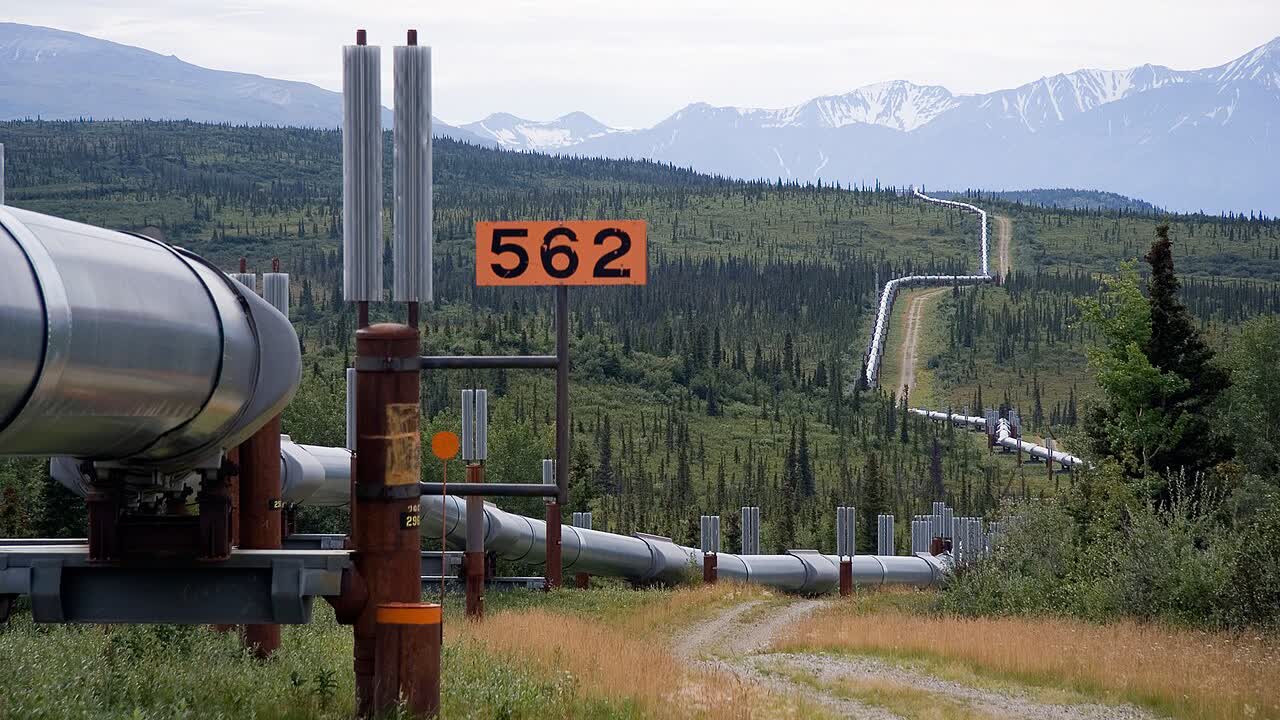
Since January, however, the flow had been interrupted after damage caused by an attack on Ukrainian territory. As a consequence, countries dependent on the route had to seek alternatives to ensure supply.
Now, with the resumption of operations, the system returns to perform its strategic function, contributing to the stability of energy supply in the region.
Resumption is Linked to Agreement with the European Union
In addition to the energy impact, the reactivation of the oil flow is directly related to negotiations with the European Union.
In this context, Ukraine is advancing to enable a billion-dollar loan from the European bloc, which depends, among other factors, on the maintenance of energy routes and the minimum stability of infrastructure.
Thus, the restoration of the pipeline not only guarantees revenue and trade flow but also strengthens the country’s position in international financial negotiations.
Europe Remains Dependent on Strategic Routes
Despite efforts to diversify energy sources since the beginning of the conflict, Europe still depends, to some extent, on infrastructures like Druzhba.
This is because:
- logistical alternatives are not always sufficient
- transport costs increase on longer routes
- complete replacement of Russian oil still faces challenges
Thus, the resumption of flow helps to reduce pressures in the short term, especially in markets more sensitive to supply fluctuations.

Energy and war remain interconnected
The episode reinforces, above all, how energy continues to be a central piece in the conflict between Russia and Ukraine.
Attacks on energy infrastructure, supply interruptions, and negotiations involving natural resources show that the sector remains directly linked to the dynamics of war.
Moreover, decisions related to oil impact not only the countries involved but also the entire global economy, especially in times of instability.
Impacts on the market and prices
With the resumption of transportation, there is an expectation of greater predictability in supply for Europe.
However, the scenario is still one of caution. This is because:
- new attacks may interrupt the flow again
- geopolitical instability remains high
- the market reacts quickly to any signs of risk
As a result, oil prices remain sensitive to events in the region, reflecting the delicate balance between supply and demand.
What to expect in the coming months
The future of the Druzhba pipeline and the flow of oil in the region will depend on factors such as:
- evolution of the conflict between Russia and Ukraine
- security of energy infrastructure
- political decisions of the European Union
- energy diversification capacity of the bloc
Thus, although the resumption represents an important advance, it does not eliminate the risks associated with the current scenario.
What is at stake
More than the reactivation of a pipeline, the movement symbolizes the strategic importance of energy in times of crisis.
On one hand, it ensures supply and enables financial agreements. On the other, it highlights the vulnerability of energy routes in contexts of conflict.
Thus, the resumption of oil transportation via Druzhba reinforces an already established reality: energy, economy, and geopolitics remain deeply interconnected — and any change in this balance can have global effects.