






 Portuguese
  Spanish
  2 min of reading
  0 comments


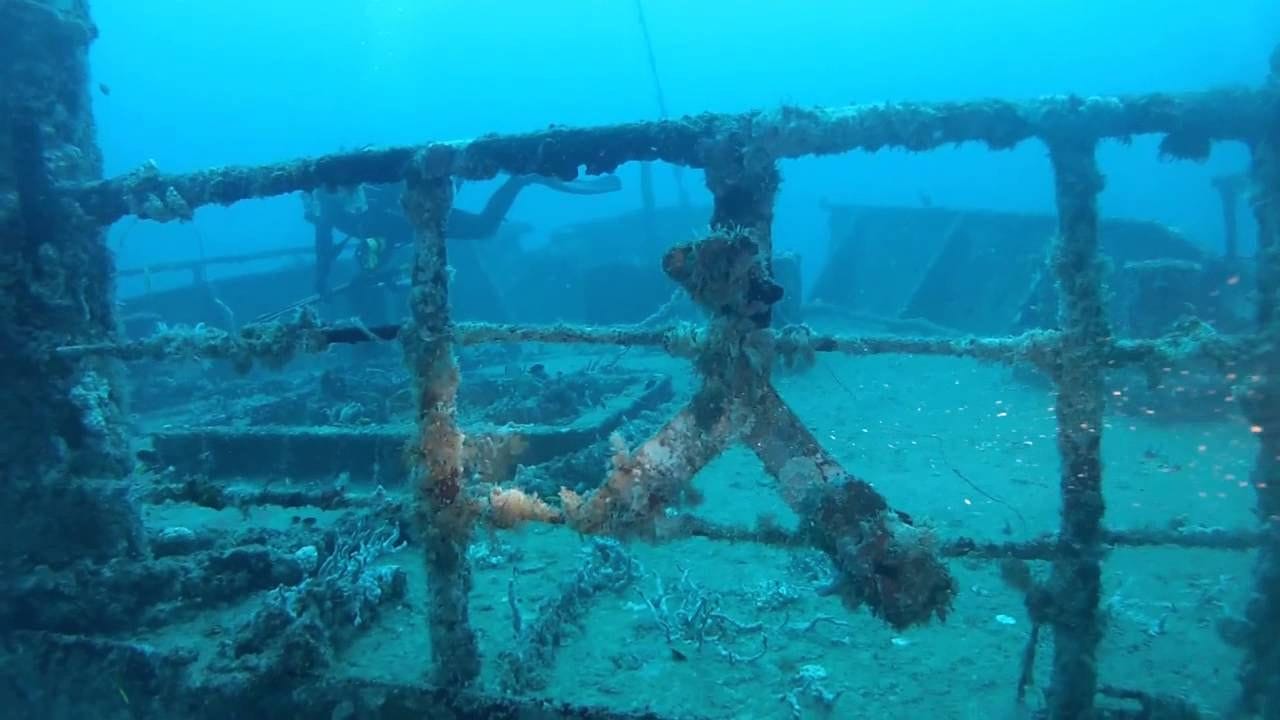
A cargo ship measuring 64 meters in length, previously named Sea Taxi, sank to become an artificial reef. Renamed Ophelia Brian, in honor of the benefactor who enabled this transformation, the ship will now serve as a marine habitat and a tourist diving spot.
The Sea Taxi, seized by the Coast Guard in 2005 due to a drug trafficking case, had been idle for years and almost became an abandoned vessel. Two years before the sinking, it was purchased and prepared to become an artificial reef. The Ophelia Brian sank off the coast of Key Biscayne in 2010, an area near Miami-Dade County, Florida, known for its reefs and popular among divers.
The process of transforming the Sea Taxi into an artificial reef began with drilling several holes in the ship’s waterline. At the time of sinking, the wooden plugs from these holes were removed, allowing water to quickly flood the ship, causing it to sink in a controlled manner.
How the Creation of Artificial Reefs Like Ophelia Brian Helps


Miami-Dade, Florida, faces many challenges in maintaining its natural reefs, which suffer from stress and pressure in such a developed area. The creation of artificial reefs like Ophelia Brian helps relieve this pressure by providing additional habitat for fish and other marine life.
-
While many ports want to grow, Barcelona has decided to do the opposite and will cut cruise terminals from 7 to 5 after pressure from residents, protests, and crowds.

-
The United States wants to tighten control over submarine cables that carry 99% of international internet, silently cross oceans, total more than 400 routes worldwide, and have become a strategic piece in the competition for data, technology, and suppliers.
-
European Union looks again at Brazilian seafood after a nearly 8-year ban and may unlock a coveted market for lobster, tuna, tilapia, and shrimp.
-
Voltalia secures 322 MW of electrical connection in Pecém and targets data centers with renewable energy, robust network, and dedicated wind projects in Ceará.
In addition to environmental benefits, Ophelia Brian will also become an important tourist diving spot. Miami-Dade is already known as one of the world capitals for reef diving, and the new artificial reef will only strengthen that reputation.
The Ship Sank Cleanly and Settled on the Seafloor at a Depth of 35 Meters at the Bow
During the sinking, the ship sank cleanly and settled on the seafloor at a depth of 35 meters at the bow and 32 meters at the stern. Over time, the ship is expected to be covered by marine life, becoming a vibrant reef and an unmissable destination for divers.
The artificial reef program in Miami-Dade is highly recognized, and the Ophelia Brian is another valuable addition. In addition to supporting marine life, these artificial reefs attract tourists, benefiting the local economy and promoting the conservation of natural resources.
The creation of artificial reefs from sunken ships is an effective way to recycle old vessels, providing new marine habitats and recreational opportunities for divers. Over time, Ophelia Brian will become a flourishing reef and an example of how human intervention can help preserve and protect our oceans.









Be the first to react!