






 Portuguese
  Spanish
  3 min of reading
  0 comments


46,000-Year-Old Frozen Prehistoric Worm Is Revived by Scientists and Raises New Possibilities for Medicine and Studies on the Resilience of Life
A microscopic worm that had been frozen for about 46,000 years was revived by scientists after being pulled from the ice in Siberia. The discovery captured the attention of the international scientific community. The specimen was found in a fossilized squirrel burrow, about 40 meters deep, and surprised researchers by showing signs of life after thawing.
A Find Preserved in Time
The study was conducted by specialists from the Institute of Physical-Chemical and Biological Problems in Soil Science of Russia. The worm was identified as a new species, named Panagrolaimus kolymaensis.
Previously unknown, it proved capable of surviving for millennia in a biological state called cryptobiosis, in which metabolism comes to a complete stop.
-
For the first time, researchers find the fuel of the first stars in galaxies formed only 700 million years after the Big Bang.

-
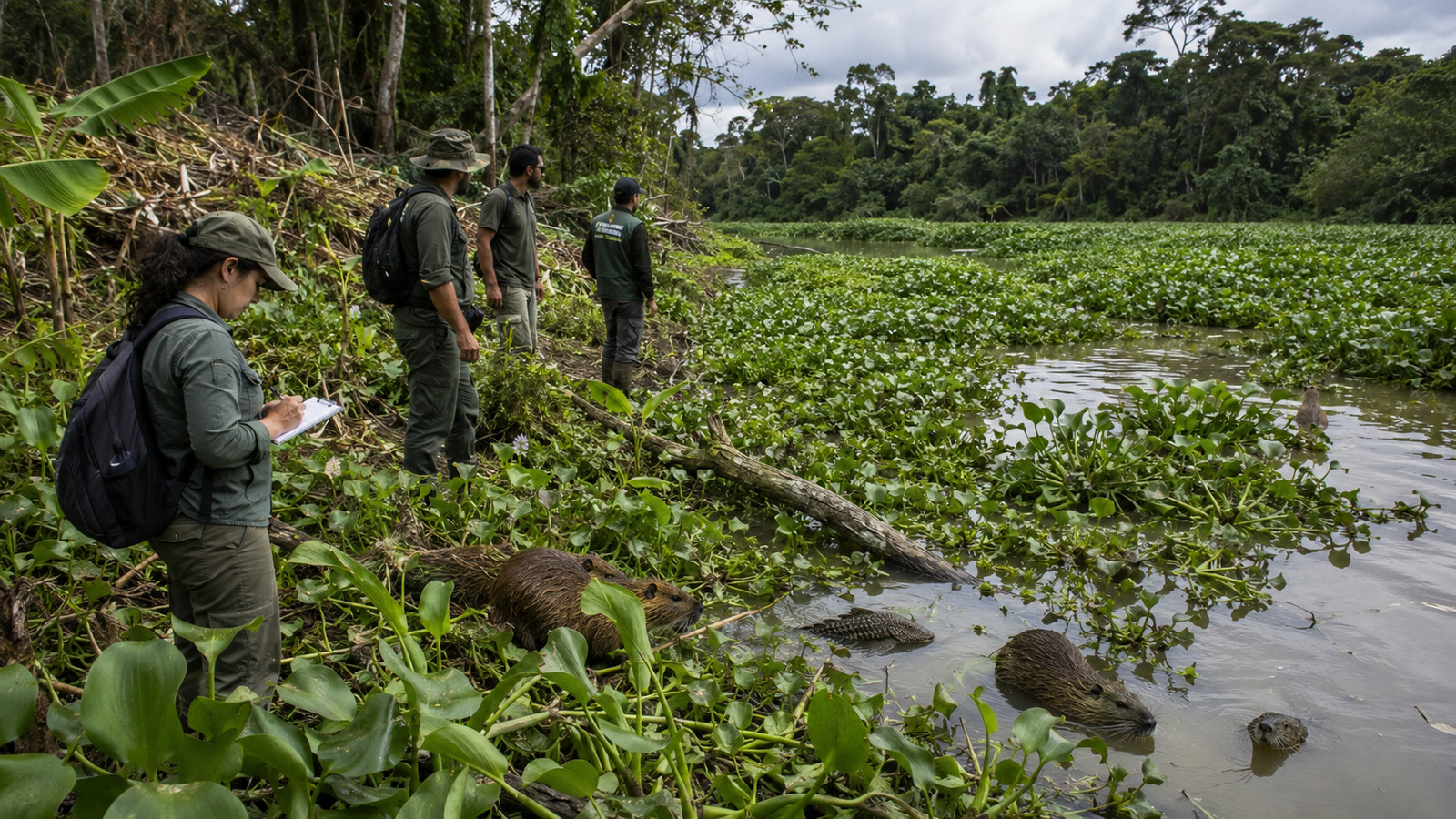
Silent invasion in the Amazon raises alarm: 82 exotic animals and 59 plants threaten native species, crops, and the forest’s balance, while authorities rush to prevent something worse caused by invasive species.

-
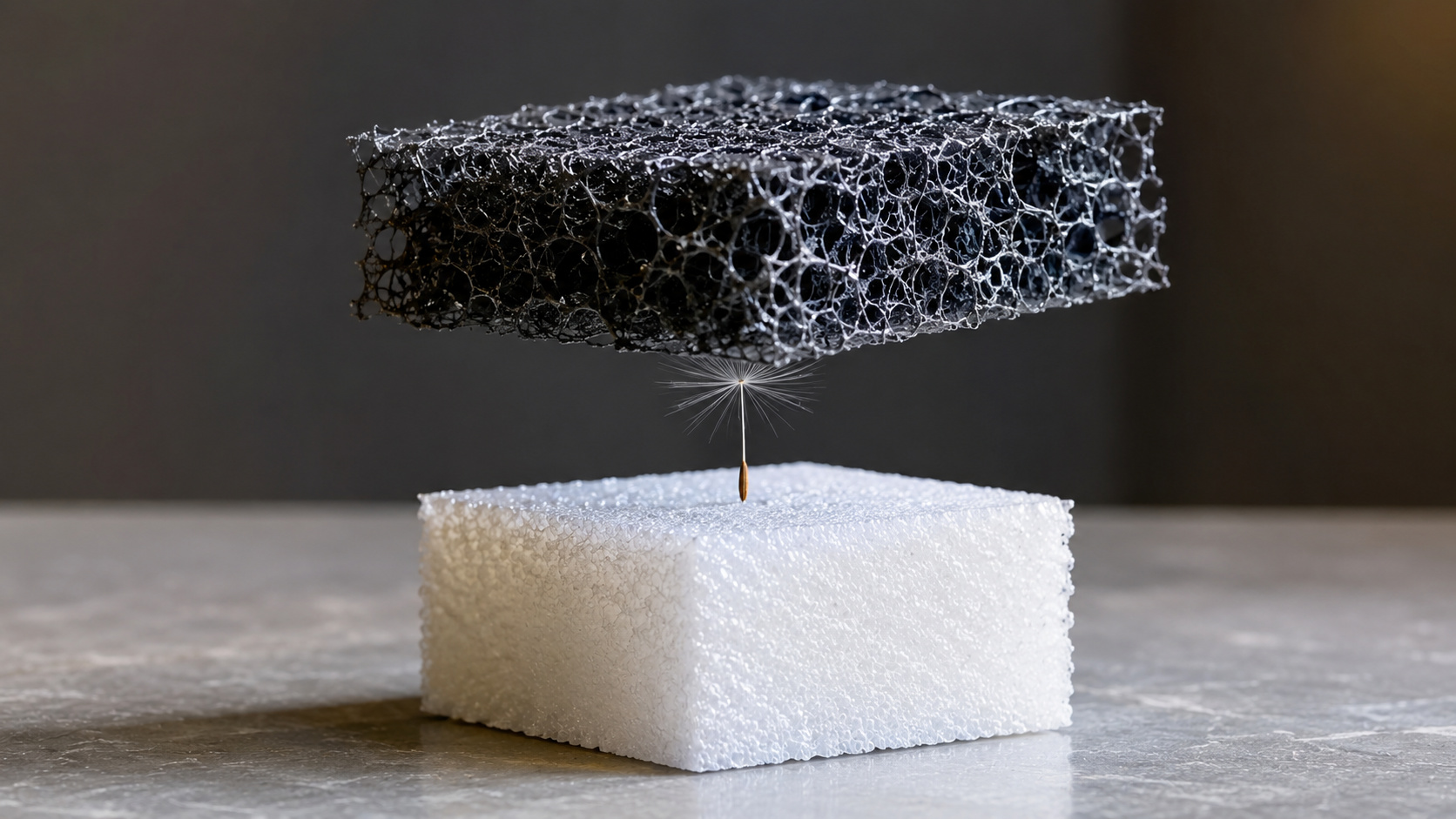
Scientists have created a material six times lighter than air, 75 times lighter than styrofoam, and that becomes stronger the more it is compressed: aerographite seems impossible, but it can reinforce structures, batteries, and satellites.

-
USA prepares a 408 kg time capsule with synthetic DNA, national treasures, and a secret message to reveal to Americans in 2276 what it was like to live in the country in 2026.


To confirm the age of the soil where the worm was found, scientists used radiocarbon dating techniques.
The result indicated that the environment was between 45,000 and 47,000 years old. Preservation occurred thanks to permafrost, a permanently frozen layer of Siberian soil.
Cryptobiosis: The Key to Withstanding Time
The secret to this worm’s survival for so long lies in cryptobiosis. In this state, the organism can withstand a lack of oxygen, dehydration, and extreme temperatures.
After being thawed in the laboratory, the worm quickly returned to activity and began to reproduce asexually.
Researchers noted that the cellular structure of the organism remained intact, even after thousands of years. This was possible because it produces trehalose, a type of sugar that protects cells against freezing and water loss.
This capability is also observed in another species of nematode, Caenorhabditis elegans, which shares genes with the Siberian worm.
Possibilities for Medicine
The discovery paves the way for research in the health field. One focus is the possibility of preserving human organs for long periods without deterioration.
Experts from the National Autonomous University of Mexico (UNAM) assert that, although turning this idea into reality is very complex, the technique could be useful for creating banks of frozen organs and tissues.
These banks could allow parts of the human body to be stored for years to later be used in transplants. This possibility, still under study, could have a significant impact on medical treatments in the future.
Reflections on Life and Its Resilience
The discovery has also sparked discussions about the resilience of life over time. Scholars at UNAM highlight that this case reinforces the idea that life, as a phenomenon, is much more enduring and persistent than is commonly assumed.
According to them, humans tend to view life only from their own perspective, forgetting that there are forms of life that are far more resilient to time and extreme environments.
For researchers, this finding serves as a reminder of how fragile humans are in the face of nature. Life, in its various forms, continues even under conditions that seem impossible.
Advancements Without Risks to Humanity
Although the original organism died after completing its life cycle, scientists continue to study its descendants.
These worms do not pose a risk to human health. On the contrary, they may even play an important role in soil health and the balance of ecosystems.
The application of this type of study could benefit different areas of science. The most promising is health.
The ability to revive an organism after 46,000 years sparks interest in potential uses in everyday life, including regenerative medicine.
The life hidden in the ice has revealed a potential that had been dormant for thousands of years. Now, it may help save other lives in the future.
With information from Tempo.com.




Be the first to react!