






 Portuguese
  Spanish


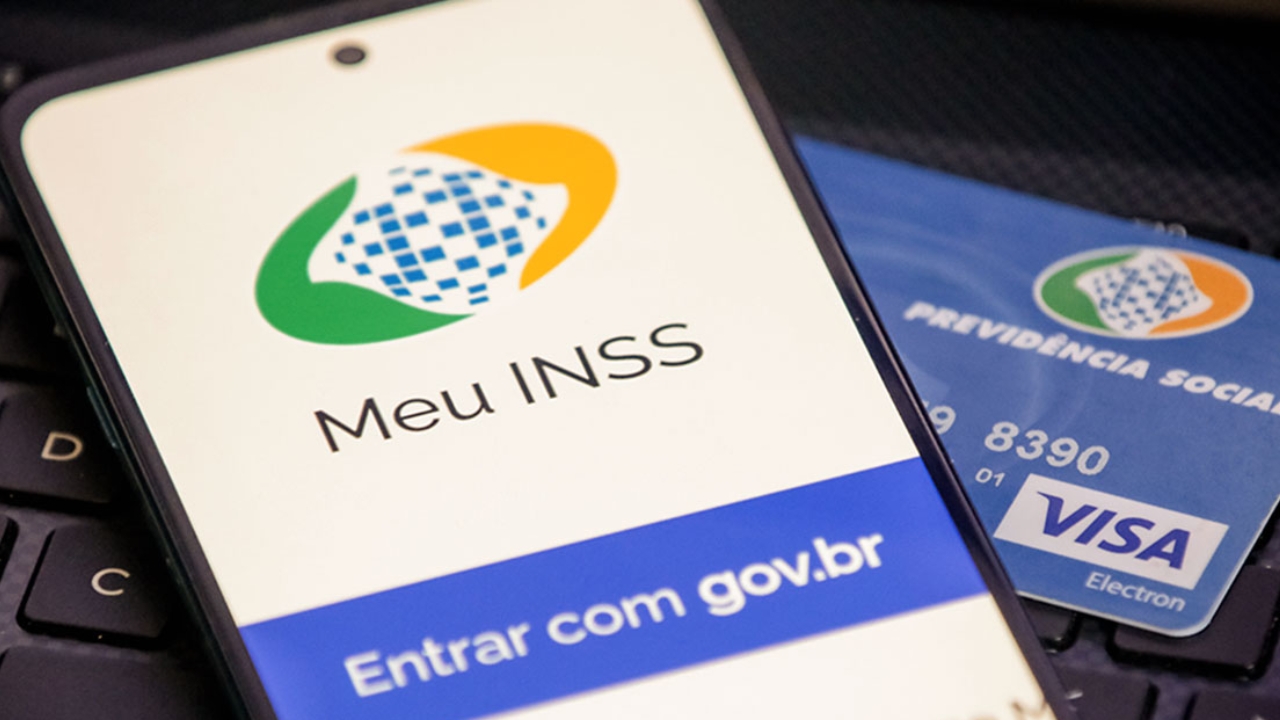

Retirees Still Face Multiple INSS Apps to Access Benefits. Despite Advances in Gov.br and Meu INSS, Total Unification into a Single App Remains without a Set Date
The digital routine of millions of retirees and pensioners in Brazil is still far from simple. Checking retirement payment, verifying discounts, understanding withholding tax, or checking adjustments requires accessing different platforms.
The Meu INSS is currently the main tool, bringing together more than 90 services, but it does not cover all needs. For banking or tax data, for example, insured individuals need to rely on other systems, multiplying registrations and passwords.
A Fragmented Scenario
This dispersion of information creates obstacles for beneficiaries, especially the elderly, who encounter difficulties with technology. When they cannot gain access, they end up seeking in-person assistance, which leads to long lines and delays.
-
Brazilian Supreme Court Pauses Fines for Workplace Regulation Violations for 90 Days, but Companies Must Still Address Harassment and Overwork

-
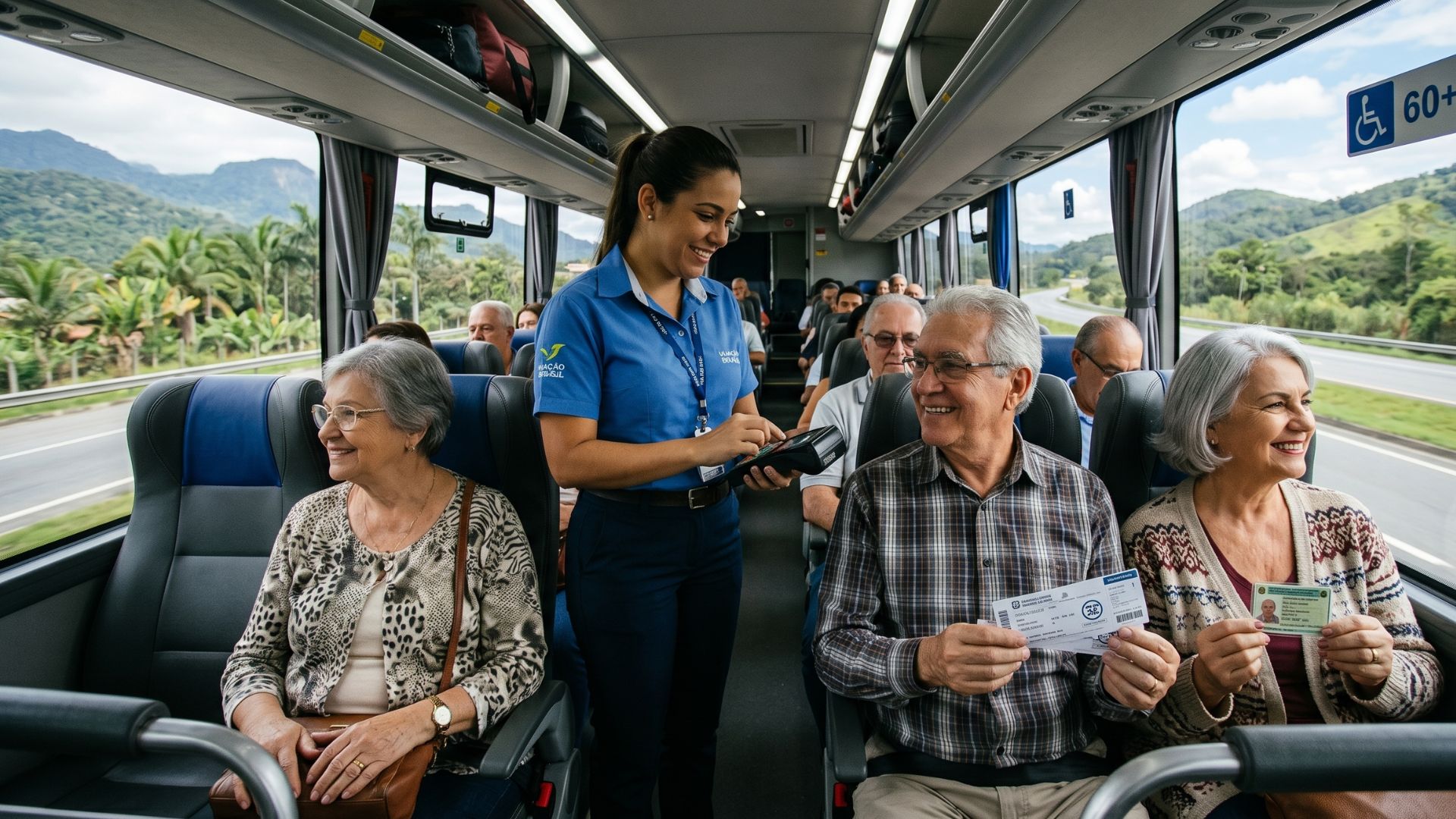
Seniors Over 60 Can Travel for Free Across Brazil: Elderly Statute Ensures Two Free Bus Seats and 50% Discount When Full for Low-Income Passengers

-
Detran RJ starts requiring a toxicological test for those obtaining their first driver’s license in the car and motorcycle category starting June 29; see who will be affected.
-
Florida takes TikTok to court and accuses the Chinese giant ByteDance of ignoring the law that bars minors under 14, while parents and authorities demand more protection for children on social networks.



Experts warn that the ideal solution would be the creation of a single integrated app, capable of consolidating all benefit data, statements, adjustments, discounts, and pending issues in one place.
Recent Advances in Digitalization
In recent years, some important steps have been taken. The Gov.br account has started to function as a unified login for federal government digital services, including Meu INSS, reducing the need for multiple passwords.
Additionally, services like life evidence have been modernized and can be performed automatically based on the cross-referencing of official data, without the need for in-person visits to agencies.
What Still Needs to Be Done
Despite the improvements, total integration depends on broad coordination between the INSS, paying banks, and the Federal Revenue Service.
Technical and security issues, such as data protection and system compatibility, remain significant barriers. So far, the federal government has not set a date for all services to be united on a single platform.
Expectations for the Future
While unification does not occur, the guidance for insured individuals is to keep their registrations updated both in Meu INSS and with the banks responsible for payments.
Even with limitations, current digitalization already represents a significant advancement compared to the past, when practically all demands required in-person assistance.
The expectation is that, in the near future, the experience will finally be centralized in a single app, simplifying the lives of millions of Brazilians.


