





 Portuguese
  English
  Spanish
  4 min of reading
  0 comments


Engineering Teams Freeze The Subsoil In Urban Areas Like Boston, Using 2,000 Pipes And Continuous Refrigeration To Block Water, Give Strength To The Ground, And Enable Tunnels In Unstable Soil
The technique of freezing the ground to excavate tunnels seems simple in concept but is highly precise in execution. It is used when the terrain has so much water and loose material that any opening becomes a real risk of collapse.
Instead of trying to drain everything, engineers change the behavior of the subsoil. By removing heat from the ground, the water between the grains freezes, creating a rigid mass and reducing the flow of water into the excavation.
Why Frozen Soil Becomes A Solid And Almost Impermeable Barrier
The central point lies in the water present in the soil pores. When it freezes, it forms ice that acts as a kind of natural glue, joining particles and increasing the strength of the ground.
-
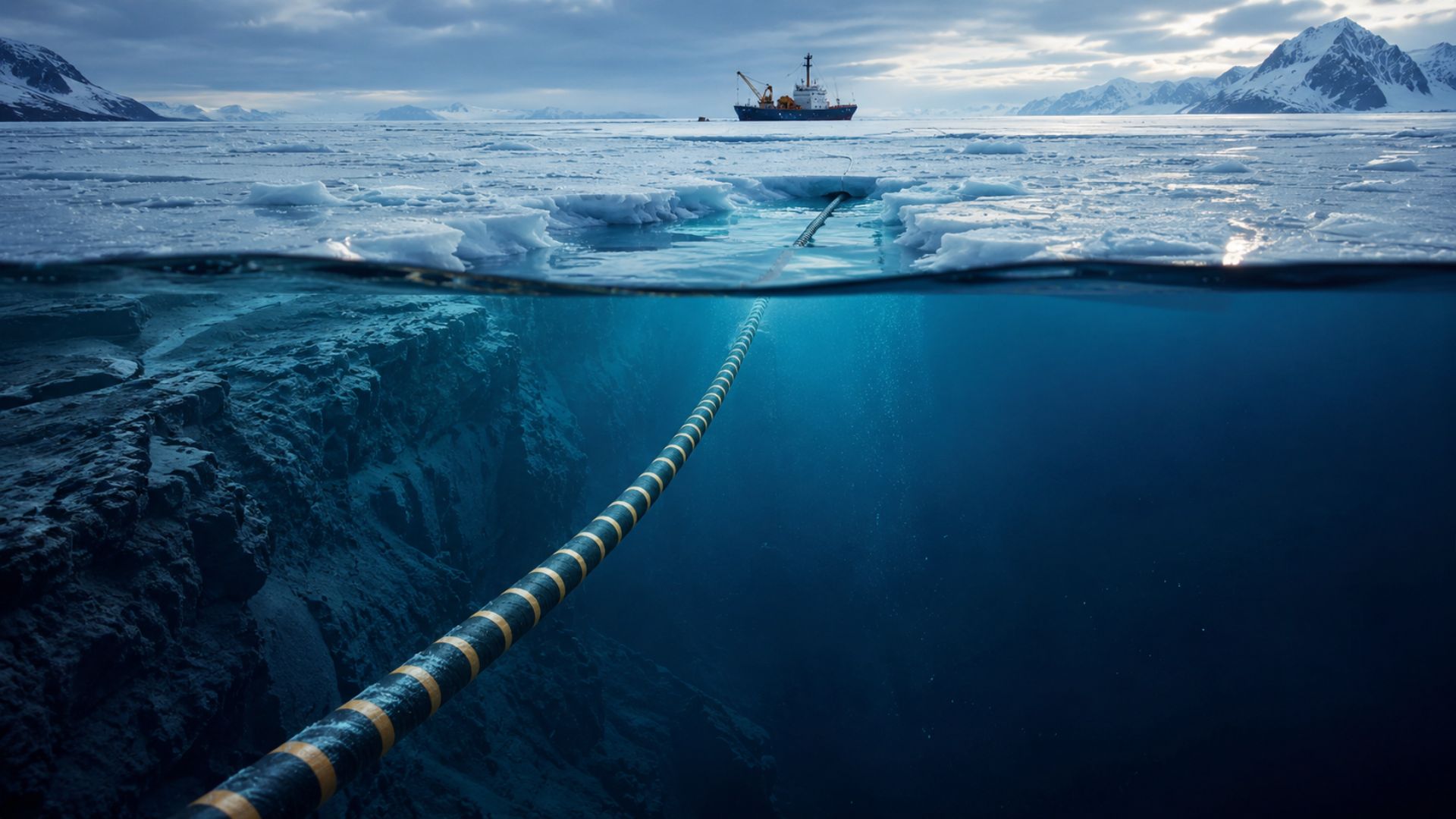
For the first time in history, a submarine cable will descend to four thousand meters deep under the ice of the North Pole to ensure that the internet between Europe and Asia no longer depends on conflict zones in the Middle East.

-
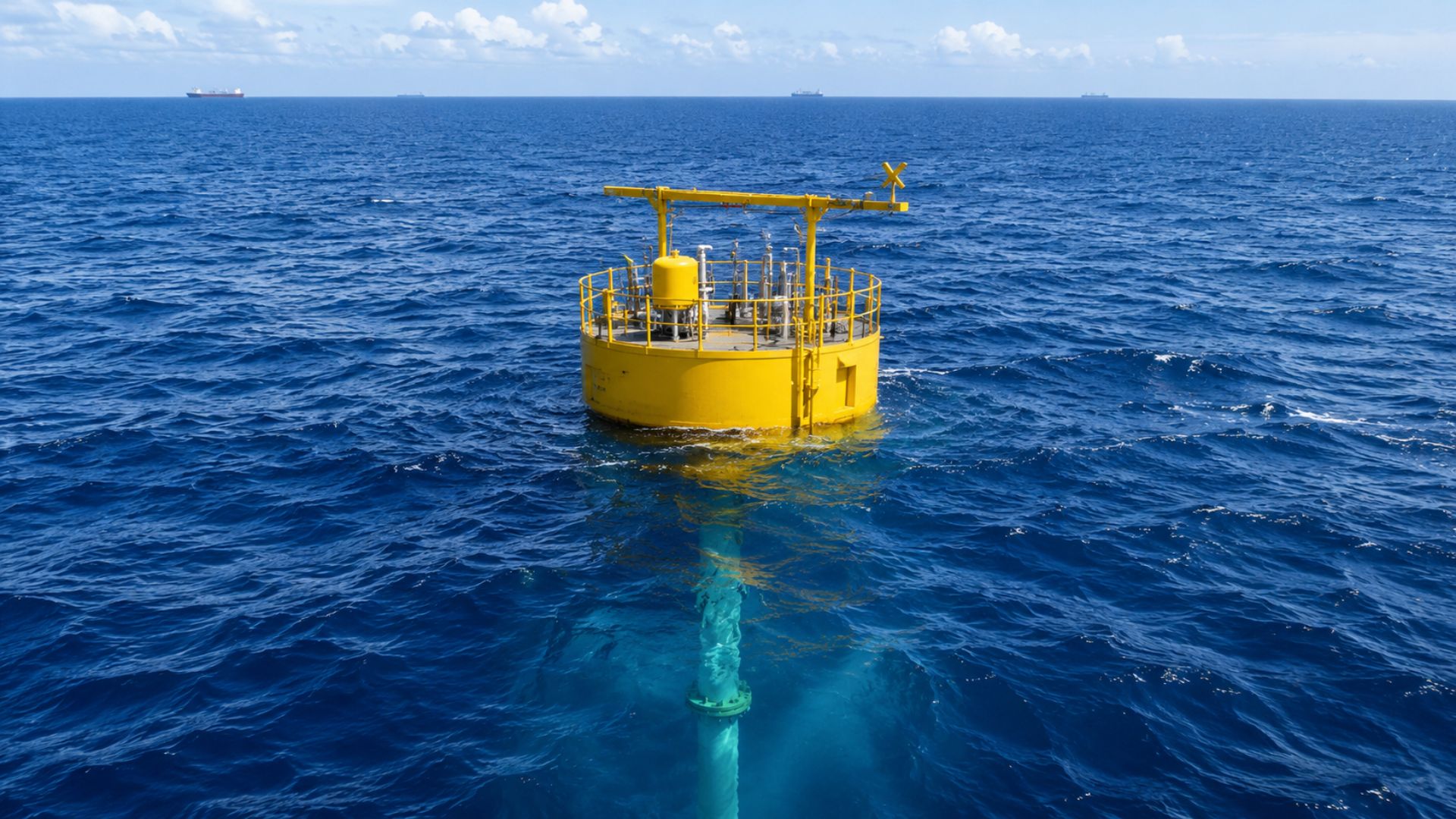
A British company has installed in the middle of the ocean the world’s first floating platform that generates electricity 24 hours a day from the temperature difference between the surface and the depths of the Atlantic, without relying on wind or sun.
-
The James Webb telescope spotted a planet 700 light-years from Earth with mornings full of sand clouds and nights with clear skies, the temperature difference between the two hemispheres reaches an impressive 170 degrees.
-
A former Hong Kong police officer has just become the first astronaut from her city to go to space. She embarked on the Shenzhou-23 mission alongside two other colleagues who will face muscle atrophy, radiation, and prolonged fatigue in orbit.


This effect changes the game in saturated soils, with loose sand, mud, fills, and irregular mixtures. The combination of soil and ice gains enough stability to maintain its shape during the work, which reduces the risk of collapse.
Another advantage is the reduction of water flow. Freezing creates a barrier that helps control seepage and hydraulic pressure, something that often hampers excavations in areas with a high water table.

How The Project Freezes The Subsoil With Pipes, Brine, And Continuous Operation
The process begins with drilling around the section of the tunnel, well, or gallery. Into these holes, freezing pipes are inserted, positioned so that the cold zones meet and form a continuous ring of frozen soil.
A refrigeration plant circulates a chilled fluid inside these pipes, typically brine. In typical projects, the operation works with temperatures equivalent to -30 to -40 °C, enough time for the ice to spread and seal any weak points.
When the frozen wall reaches the desired thickness and temperature, excavation begins with the subsoil already stabilized. Refrigeration remains on while the work progresses, keeping the frozen “shield” active.
When Liquid Nitrogen Enters And How Monitoring Prevents Critical Failures
In situations that require speed, liquid nitrogen may be used, operating near -196 °C and freezing the ground much faster. This tends to raise costs and complexity but solves scenarios where time is the decisive factor.
According to TU Delft OCW, an academic platform for open courses from the university, the success of freezing depends on continuous thermal monitoring and control of underground water flow, which can carry away the cold and prevent the full sealing of the barrier.
Sensors in the ground confirm whether the ice has sealed without fail and if there is no warmer zone capable of becoming a water entry point. This monitoring also reduces the risk of deformations that can affect nearby structures.
What Can Go Wrong And Why Thawing Also Needs To Be Planned
Freezing the soil is not just about “hardening” it. The expansion of ice can cause displacements, and this requires care in urban areas with nearby pipelines, foundations, and roads.
Another critical point comes afterward. When the system is turned off, the soil thaws and may lose some of the behavior acquired during the frozen phase, which can lead to settlement if the project does not account for this transition.
Therefore, freezing is often adopted as a temporary solution in critical sections where other techniques may be riskier or unfeasible. The idea is to stabilize the moment of excavation and then return the ground to a more natural condition.

The Boston Case Shows The Scale With Thousands Of Pipes And Months Of Operation
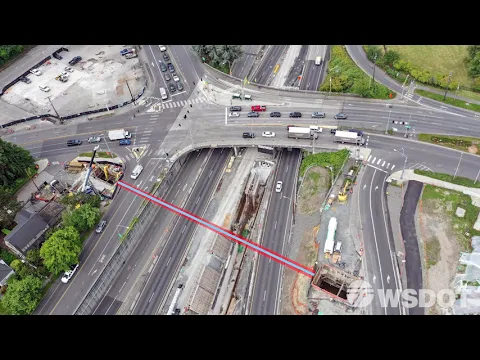
In Boston, freezing the soil has gained prominence for facing challenging urban soil conditions, with water presence and irregular materials. The solution required a central plant and continuous circulation of the chilled fluid.
The notable figure is the scale. There were over 2,000 pipes installed, and the operation remained active for months to support critical stages of the underground advance.
This type of application demonstrates why the technique is treated as a high-control alternative in extreme scenarios. It creates a safe window for excavation where, without stabilization, the ground simply would give way.
The soil freezing technique remains one of the most effective tools when the subsoil does not provide enough stability to safely open tunnels. It reduces seepage, increases strength, and provides predictability to the advance.
In the end, the practical impact is direct: underground works become possible in locations previously considered unviable, with greater risk control in urban areas and in water-saturated soils.






-

-

2 people reacted to this.