






 Portuguese
  Spanish


The Burj Khalifa Is Not Just a Tall Building; It Is a Landmark of Modern Construction and Engineering, Challenging Limits and Showing That Humanity Is Capable of Erecting True Architectural Masterpieces
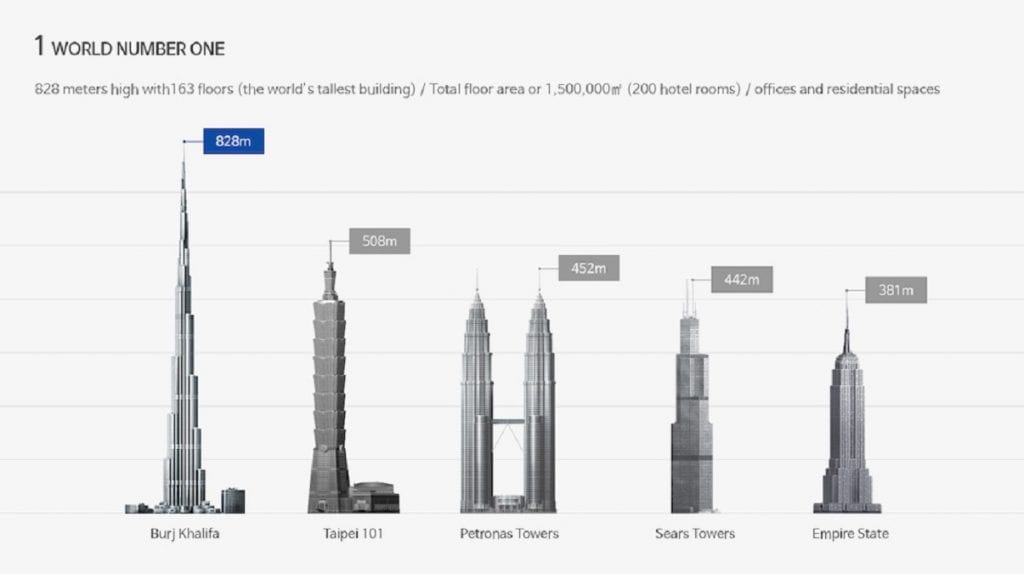
Imagine yourself in a building 828 meters tall, admiring the landscape from up high. This is possible at the Burj Khalifa, the tallest building in the world, located in Dubai, United Arab Emirates. To give you an idea, the city of São Paulo is 760 meters above sea level. In other words, being at the top of the Burj Khalifa is like being higher than the residents of the São Paulo capital.
With a height that challenges the limits of modern engineering, the Burj Khalifa has 1.5 million m² of area, equivalent to 200 hotel rooms, and 526.76 thousand m² of constructed area. In addition to being the tallest structure ever built by humanity, it is also the tallest freestanding structure.
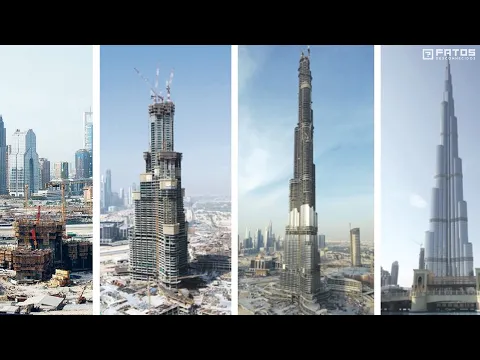

The construction of the Burj Khalifa lasted from September 2004 to January 2010 and involved more than 12,000 people from 30 different countries. Its former name was Burj Dubai, but it was changed in honor of the president of the United Arab Emirates, Khalifa Nahyan. The project cost 1.5 billion dollars and exceeded its initial deadline by more than a year.
-
Simple Technique to Restore Rusty Metal Window Grilles Gains Attention for Revitalizing Old Structures Without Full Replacement

-
Couple Transforms Suffolk’s Last 1891 Windmill into Luxurious Four-Story Home with Zinc Observation Room in England

-
Father and Son Build 97 cm Thick Circular Stone House in Brazil, Inspired by Scottish Architecture, Creating a New Agrotourism Hub
-
Sweden Removes 200-Ton Concrete Gallery to Restore Pjältån River’s Natural Flow in Europe’s Largest Aquatic Restoration Project



Distinctive Features of the Burj Khalifa: A Building of Superlatives
- It has 1.5 million m² of area, equivalent to 200 hotel rooms, and 526.76 thousand m² of constructed area.
- In addition to being the tallest structure ever built by humanity, it is the tallest freestanding structure.
- It has the most floors: there are 200, with 160 of them habitable, making the 160th the highest habitable floor in the world.
- It features the highest observation deck in the world, located on the 124th floor.
- A building with the highest swimming pool in the world, located on the 76th floor.
- It weighs an incredible 500 thousand tons.
- It took 330 million liters of concrete to build it.
- Workers took 22 million hours, or six years, to complete it.
- Additionally, the Burj Khalifa has 39 thousand tons of reinforced steel and 103 thousand m² of glass in its facade.
- There are 58 elevators and eight escalators in total to access the 200 floors. The service elevator can hold an incredible 5.5 tons.
- It is estimated that it would take at least four months of work to clean all its windows.
- It can be seen from an incredible distance of 95 kilometers.
Construction Challenges: Winds, Foundation, and Cooling
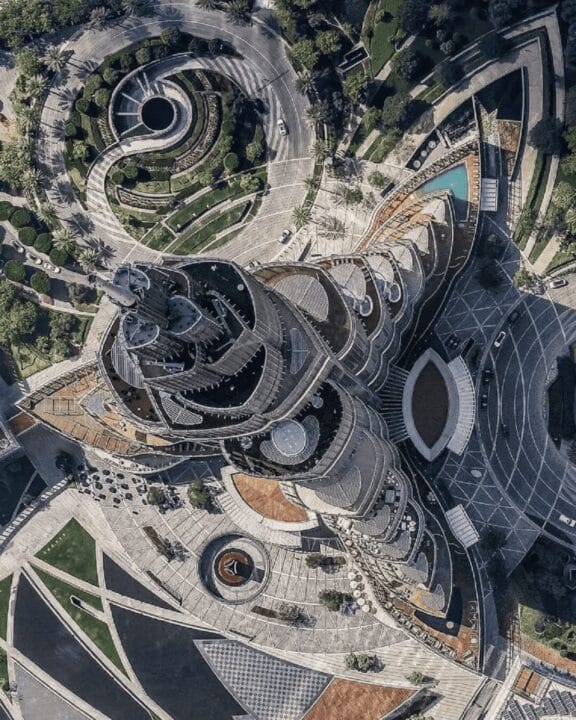
Engineers faced three main challenges during construction: the wind, the building’s foundation, and the cooling of the environments. To handle the wind, the structure was designed in the shape of a desert flower, inspired by the Hymenocallis. The base’s “Y” shape helps reduce the wind effects, decreasing the width of the building as it rises.
The foundation of the Burj Khalifa has a large reinforced concrete mat, supported by 194 reinforced concrete piles, with an average depth of 50 meters. For cooling, a thermal ice storage system was developed, which releases cooling energy to the interiors and plumbing systems via ducts.
The Burj Khalifa is not just a tall building; it is a milestone of modern engineering, challenging limits and showing that humanity is capable of constructing true architectural masterpieces. Its construction was an incredible feat, involving thousands of people and overcoming technical and environmental challenges.
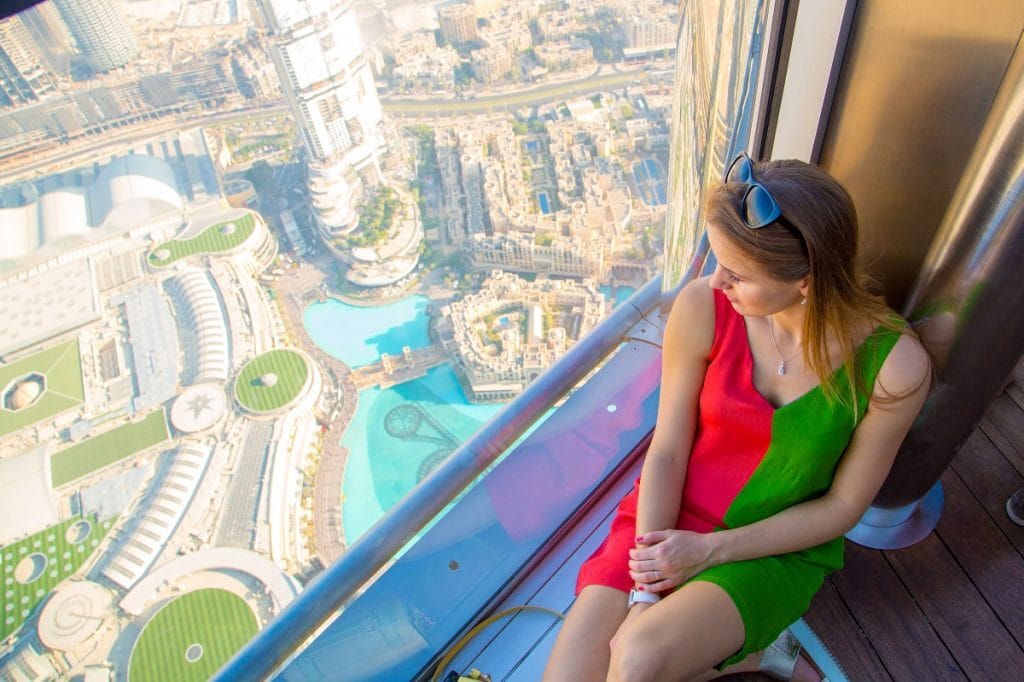
For all these reasons, the Burj Khalifa deserves to be visited and admired. It is a unique experience to be up there, observing Dubai and the United Arab Emirates from a perspective that few have the opportunity to see.





Dubai , sempre Dubai, 🙋♂️🇧🇷
Tive o prazer de conhece lo e subir até o centésimo quadragésimo oitavo andar. Só esqueceram da rede de esgotos.