Portuguese
  Spanish


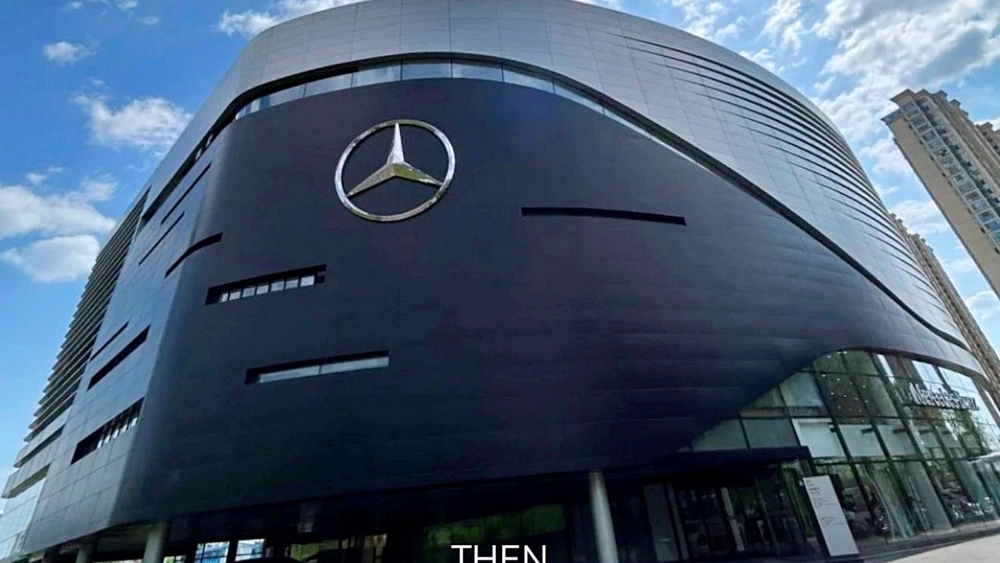

One Of The Largest Mercedes Dealerships In China Closed Its Doors, Surprising The Market. Now, It Ventures Into The Promising World Of Electric Vehicles.
One Of The Largest Mercedes-Benz Dealerships In China, Located In Hunan Province, Has Halted Its Sales Of Vehicles From The German Brand.
Instead, It Will Now Market Electric Cars From A Technology Company That Has Recently Entered The Automotive Sector.
The Shift Is Not Surprising. In China, Consumers Are Becoming Increasingly Interested In Local Brands, Opting For Vehicles That Offer Advanced Technology And Cutting-Edge Connectivity.
-
End of an era in Brazil: beloved sedan by Brazilians is discontinued despite having a 2.0 engine with 151 hp, CVT transmission, 466-liter trunk, and up to 650 km of range.

-
New Law Proposal in Brazil Could Heavily Penalize Drivers: Dangerous Overtaking May Become a Serious Offense with Fines Increased Tenfold and a 12-Month License Suspension; Update on 2026 Progress

-
Electric Revolution: Watts W125 Motorcycle Offers 160 km Range, 90 km/h Speed, and Affordable Price Starting at $3,000
-
General Motors Replaces Over a Thousand Workers with 50 Cobots at Electric Vehicle Plant, UAW Union Criticizes Move Amid Industry’s Automation Push


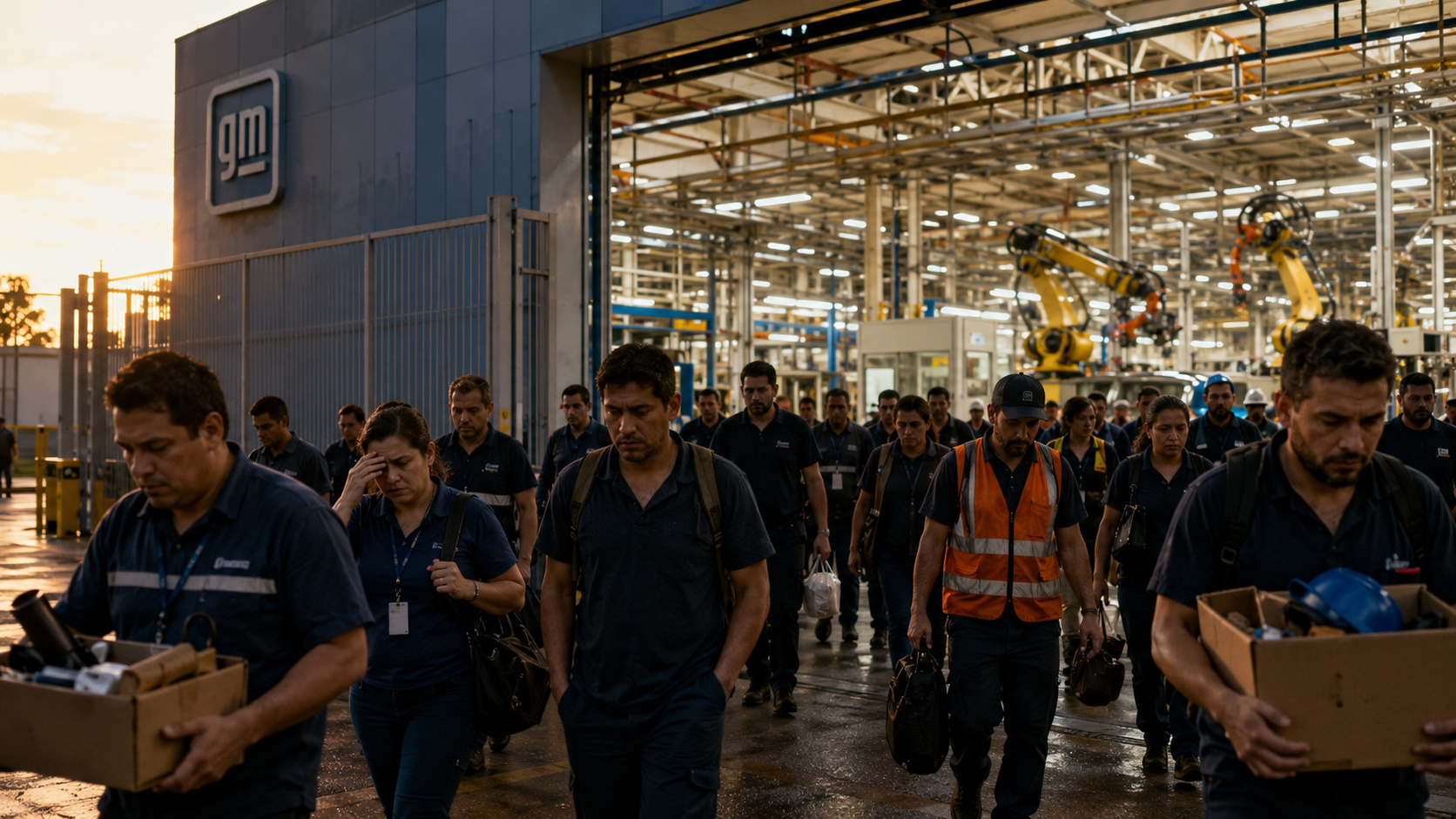
The Preference For Chinese Manufacturers Is Rapidly Growing, Leaving Behind European Brands That Dominated The Market For Decades.
This Movement Reflects A Deep Transformation In The Automotive Sector. The Transition Involves Not Only A Shift From Combustion Engines To Electric Ones But Also How Consumers Perceive Vehicles.

The Rise Of Chinese Brands In The Automotive Sector
The Largest Mercedes Dealership In Hunan Is Now An AITO Store, The New Electric Car Brand From Huawei, One Of The Chinese Tech Giants.
The Aito M9, An SUV Developed In Partnership With Seres, Is An Example Of The New Market Standard. The Car Features More Screens Than Seats, Highlighting The Chinese Priority For Digitalization.
In The Past 20 Years, China Has Been A Crucial Market For European Automakers. However, Some Have Become Overly Dependent On The Asian Market And Now Face Significant Challenges. In 2024, Mercedes-Benz Reported A 7% Decline In Sales In China. The Situation Is Even More Concerning For BMW, Which Saw Its Sales Plummet By 13.4%. However, The Brand Most Affected Was Porsche, Which Sold 28% Fewer Cars Compared To The Previous Year.
The Change In The Profile Of Chinese Consumers Is One Of The Main Factors Behind This Decline. Today, Buyers Prioritize Vehicles With High Technology, Advanced Connectivity, And Sophisticated Autonomous Features. These Aspects Outweigh Brand Tradition, A Factor That Previously Carried More Weight In The Purchasing Decision.
Another Crucial Point Is The Strong Government Incentive For Electric Cars. China Heavily Invests In Expanding The Battery Industry, Making Local Electric Vehicles Much More Competitive In Terms Of Price And Performance Compared To European Models. Nearly Half Of The New Cars Registered In The Country Are Electric, And Consumers Find Affordable And Technological Options Abundantly Available.
The Most Emblematic Example Is The Electric Car From Xiaomi. The Base Version Costs Around 29,000 Euros And Offers A Range Of 700 Kilometers. The Premium Version, Xiaomi SU7 Max, Has A Range Of Over 800 Kilometers And Costs Less Than 40,000 Euros.
With An 800-Volt Electric System, Ultra-Fast Charging, And Total Integration With The Brand’s Technological Ecosystem, The Vehicle Quickly Won Over Chinese Consumers.
The Challenging Chinese Market
The Fierce Price Competition, Combined With High Demand For Advanced Technology, Has Placed European Brands In A Delicate Position.
What Was Once Seen As A Promising Market Has Now Become A Significant Challenge For Companies Like Mercedes, BMW, And Porsche.
In This Scenario, The Transition Of A Major Dealership To A Local Brand Like AITO Reflects A Trend That Seems Irreversible.
Chinese Consumers Are Increasingly Turning To Domestic Options, Driven By Advanced Technology, Competitive Prices, And Government Support.
Western Brands, In Turn, Face An Unprecedented Challenge: To Reinvent Themselves Or Lose Ground In One Of The Most Dynamic Markets In The World.