Portuguese
  Spanish


The global geopolitical scenario faces one of its most tense moments in 2026. Recently, the United Kingdom and France announced that they are leading an ambitious plan to reopen and ensure the safety in the Strait of Hormuz.
This maritime route is undoubtedly the most important choke point for global oil and liquefied natural gas trade.
Currently, a blockade or instability in this region can paralyze entire economies within days. Therefore, the European initiative seeks to create a naval protection corridor to prevent new incidents with oil tankers.
In this way, Western powers are trying to reduce the volatility in barrel prices, which have reached historic peaks due to diplomatic uncertainties.
-
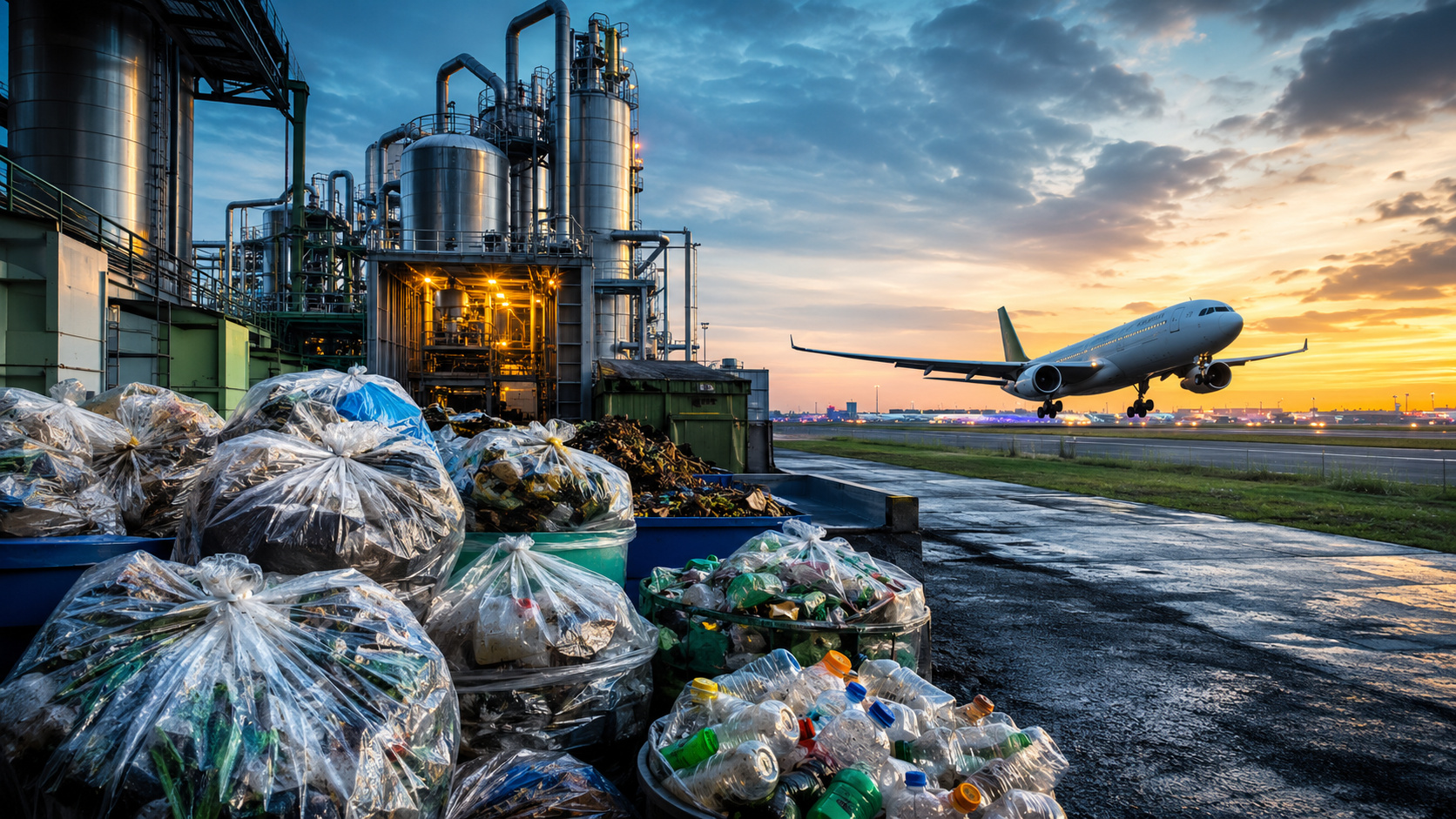
Qantas and Airbus Invest in Company Aiming to Convert Unsorted Household Trash into Jet Fuel

-
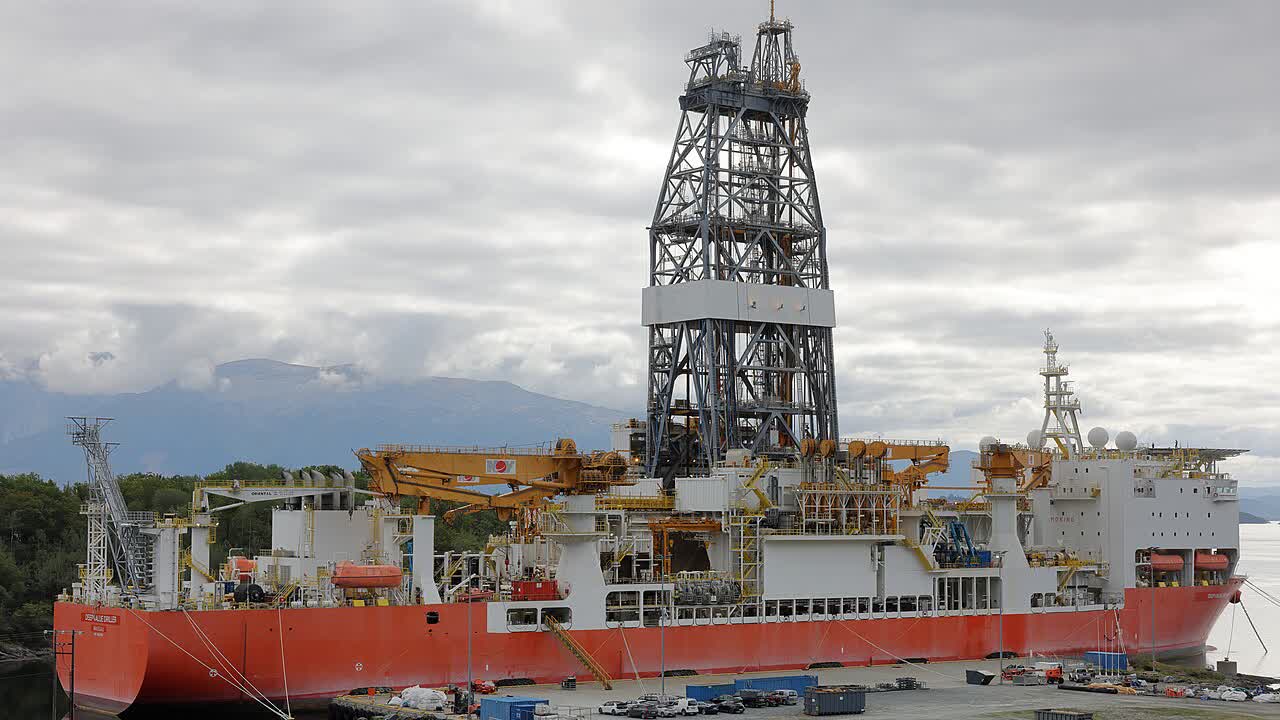
Brazil’s ANP Opens 86 New Oil Blocks in the Equatorial Margin, Expanding the Amazon River Mouth Frontier

-
OPEC+ Boosts Oil Supply by 188,000 Barrels per Day in July 2026, Leading to Price Drop from $112 to $89 per Barrel in Under Two Months

-
TotalEnergies Signs 20-Year Deal to Purchase 2 Million Tons of LNG from Alaska, Boosting Project Viability




The strategic importance of the Strait of Hormuz for the global economy
To understand the gravity of the situation, we need to look at the numbers involving this region. About one-fifth of the entire global oil consumption passes through Hormuz daily. Additionally, a significant portion of the natural gas that supplies Europe also transits through these narrow waters between Iran and Oman.
Consequently, any minimal disruption generates an immediate cascading effect on the financial markets of London and New York. In this sense, the plan led by the British and French is not just a military issue, but rather an economic survival necessity.
Thus, the safe reopening of this channel is seen as the number one priority of international diplomacy this semester.
The behind-the-scenes of the alliance between London and Paris in crisis management
Historically, the United Kingdom and France have deep strategic interests in the Middle East. Currently, cooperation between these two nations aims to fill a leadership vacuum in regional maritime security.
According to diplomatic sources, the plan involves the deployment of modern frigates and the use of state-of-the-art satellite surveillance technology.
Furthermore, European countries are seeking to form a broader coalition, inviting Arab and Asian partners to the mission. Certainly, China and Japan, which heavily depend on oil passing through Hormuz, are watching this movement with great interest.
In this way, the initiative gains a geopolitical weight that transcends the borders of the European continent.

The role of Iran and diplomatic tensions in the Gulf region
The Strait of Hormuz is often used as a chess piece in negotiations between Iran and the West. Due to its geographical location, Tehran exerts considerable influence over who enters and exits the Persian Gulf. Therefore, the reopening plan led by the United Kingdom must be conducted with extreme diplomatic caution.
Any miscalculations could lead to a direct confrontation, which would further exacerbate the global energy crisis. However, France has insisted that the mission’s goal is purely defensive and focused on protecting free trade.
Despite this, the presence of Western warships near Iranian waters always generates protests and warnings from the Tehran government.
Immediate impacts on oil prices and maritime insurance
The insecurity in Hormuz directly impacts logistics and transportation costs. Currently, insurance premiums for oil tankers crossing the region have reached astronomical values. In this context, the success of the Anglo-French plan could drastically reduce these operational costs for shipping companies.
As a result, the end consumer would feel relief at the fuel prices at the pumps. Certainly, stability in Hormuz is the factor that weighs most heavily in the trade balance of major global refiners.
Therefore, the financial market is eagerly awaiting the practical start of coordinated patrols in the maritime corridor.
Surveillance technology and artificial intelligence in naval monitoring
One of the differentiators of the new plan is the implementation of artificial intelligence systems to monitor vessel traffic. The United Kingdom plans to use long-range drones to identify potential threats even before they approach the cargo convoys. This way, the response to any attempt at blockage will be much faster and more precise.
Similarly, the use of underwater sensors will allow for the detection of mines or unidentified submarines. These technological tools are essential to ensure safety in such a hostile and congested environment.
In summary, the mission in Hormuz will be a litmus test for the new doctrines of hybrid warfare and protection of critical infrastructure.

The reaction of the United States and NATO support for the project
Although the leadership is European, the United States has expressed full logistical support for the plan. Washington understands that a more robust presence of France and the United Kingdom helps balance global security responsibilities.
Furthermore, NATO has been discussing how to integrate this mission into its collective defense protocols for trade routes.
Thus, we see a rare alignment among Western powers on this specific issue. On the other hand, Russia has criticized the increase in military presence in the region, claiming that it only heightens local tension. However, for countries that depend on a constant flow of energy, the protection of Hormuz is non-negotiable.
Supply logistics and the impact on Asian trade routes
Not only the West suffers from instability in the Gulf. Countries like India and South Korea have long-term contracts that depend entirely on passage through Hormuz. Therefore, the plan led by Europe has received messages of support from various Asian capitals in the past week.
If the strait is closed, the cost of freight for containers and commodities would double within weeks. Thus, the full and safe reopening acts as a driver for the global economy in recovery. Therefore, global logistics is intrinsically linked to the success of this coordinated naval operation in 2026.
Operational challenges of maintaining a secure corridor in narrow waters
Keeping the Strait of Hormuz open is a monumental technical challenge due to its reduced width. At some points, the navigation channel is extremely narrow, which limits the maneuverability of large tankers. Consequently, any mechanical incident or pinpoint attack can block the entire route for days.
For this reason, the British plan focuses heavily on creating temporary “exclusion zones” around oil tankers. Certainly, this requires perfect coordination between warships and onshore maritime traffic control centers. In short, the operation in Ormuz is one of the most complex ever planned by the British Royal Navy in decades.
Prospects for the future of the oil market after reopening
If the plan is successfully executed, the oil market could enter a cycle of greater predictability. Currently, investors are working with the so-called “geographic risk premium,” which artificially inflates the price of a barrel. With guaranteed passage through Ormuz, this premium tends to gradually disappear.
In this way, the production from the Gulf countries would reach markets more fluidly and consistently. Consequently, global supply would be normalized, allowing Western economies to better control inflation. Thus, the Strait of Ormuz continues to be the barometer of the financial health of developed and developing nations.
European leadership and the new maritime security order
In conclusion, the initiative by the United Kingdom and France marks a new chapter in energy geopolitics. By leading the plan to reopen Ormuz, these nations assume a direct role in maintaining the global economic order. The security of oil traffic is the pillar that sustains global growth in the coming years.
We will closely follow the start of naval operations and the diplomatic reactions of countries neighboring the strait. Certainly, the balance in Ormuz will define energy prices and the cost of living across the planet in this year of 2026.