Portuguese
  Spanish


Three ships reported being attacked in the Strait of Hormuz, amid a growing uncertainty about the continuation of peace negotiations in the region. The incidents occurred shortly after the decision by former U.S. President, Donald Trump, to extend the ceasefire, which, instead of stabilizing the situation, ended up increasing doubts about the future of the conflict.
This new episode reinforces, above all, the high level of tension in the Middle East and its direct impacts on global energy trade.
Attacks Increase Risk on Strategic Route
The Strait of Hormuz is considered one of the most critical points in global trade. This is because about 20% of the oil transported globally passes through this maritime route, connecting Gulf producers to the rest of the world.
-
OPEC+ Boosts Oil Supply by 188,000 Barrels per Day in July 2026, Leading to Price Drop from $112 to $89 per Barrel in Under Two Months

-
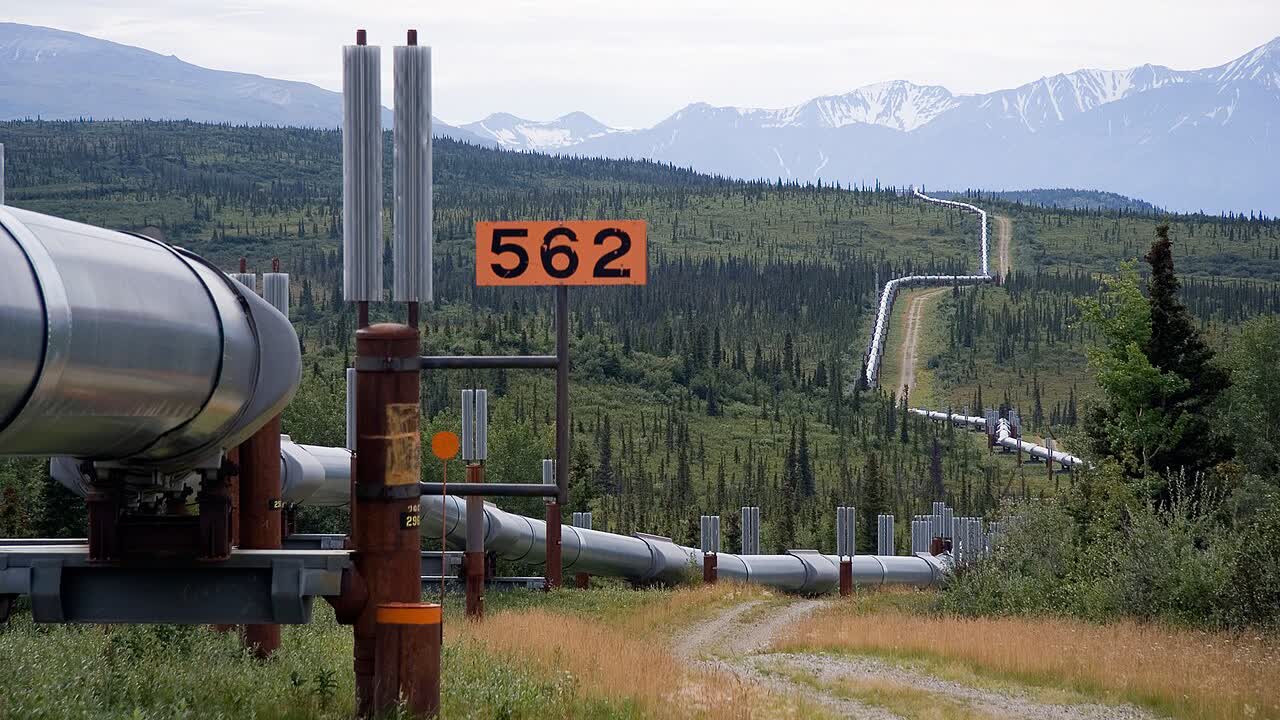
TotalEnergies Signs 20-Year Deal to Purchase 2 Million Tons of LNG from Alaska, Boosting Project Viability
-
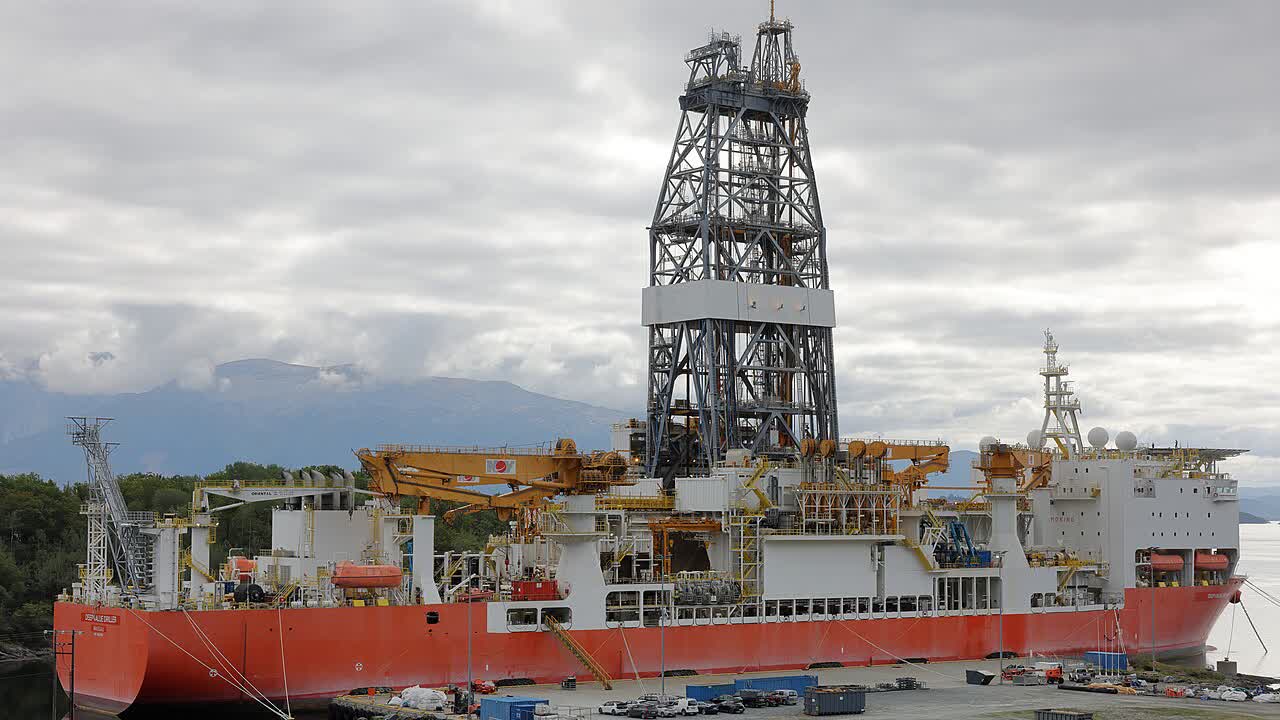
Turkey Deploys Çağrı Bey Drilling Ship to Explore New Oil Frontier Off Somalia’s Coast
-
Golden Pass LNG Ships First Liquefied Gas Cargo from the U.S., Completing $10 Billion QatarEnergy and ExxonMobil Investment

In light of this, any instability in the region generates immediate effects, not only in the energy sector but also across the entire global economy.
In this context, the recent attacks — which targeted commercial vessels — raise the alert level among shipping companies and governments, especially due to the risk of escalation of the conflict.

What is Known About the Attacks
According to initial reports, three vessels were hit by projectiles while attempting to cross the strait. In some cases, the damage was significant, although there is no confirmation of fatalities at this time.
Additionally, reports indicate that at least two ships were intercepted and redirected, demonstrating a greater level of military control over the region.
This type of action reinforces the perception of risk for maritime transport and may lead to changes in trade routes in the coming days.
Ceasefire Does Not Reduce Tension in Practice
Although the extension of the ceasefire was announced as an attempt to reduce the escalation of the conflict, the attacks indicate that the situation remains unstable.
In practice, the agreement has failed to ensure full security for maritime traffic, especially in such a sensitive area as the Strait of Hormuz.
Furthermore, there are doubts about the commitment of the parties involved, which increases uncertainty about the continuation of diplomatic negotiations.
Direct Impact on Oil and the Global Economy
The instability in the strait is already beginning to reflect on the international energy market. With the increase in risk, oil prices tend to rise, driven by fears of supply disruptions.
Furthermore:
- shipping companies may avoid the region
- marine insurance costs increase
- alternative routes become longer and more expensive
As a consequence, the impact may spread to global supply chains, putting pressure on prices and affecting international trade.
The crisis in Hormuz is already affecting ship flow
The crisis in the Strait of Hormuz is not recent, but has been intensifying throughout 2026. Data indicates that maritime traffic has already suffered a significant reduction, with ships avoiding the region due to the risk of attacks.
Moreover, global transportation companies have even suspended operations in the area, highlighting the level of concern in the sector.
What to expect in the coming days
The scenario remains highly unpredictable and will depend on factors such as:
- progress (or lack thereof) in peace negotiations
- the positioning of the United States and Iran
- the security of maritime traffic
- the reaction of the oil market
Thus, although the extension of the ceasefire has signaled an attempt at stabilization, recent attacks show that the risk of escalation is still present.


What is at stake
More than a regional conflict, the situation in the Strait of Hormuz has global implications. This is because any prolonged disruption can directly affect energy supply, international prices, and the global economic balance.
Thus, the outcome of the next moves will be decisive not only for the Middle East but also for the global economy as a whole.