Portuguese
  Spanish


University Invests in Solar Energy to Support Clinic and Expands Photovoltaic Plants in the Interior of São Paulo, Ensuring Savings, Energy Autonomy, and Commitment to Sustainability
Solar Energy Gains Prominence in Educational and Healthcare Institutions
Currently, the search for sustainable solutions is growing significantly in educational and healthcare institutions in Brazil. For this reason, the University of the West of São Paulo (Unoeste) decided to expand its generation of solar energy to support its specialty clinic in Presidente Prudente.
This investment in clean energy represents not only an economic alternative in the face of the constant rise in electricity costs. It also reinforces the commitment to socio-environmental responsibility.
Although solar energy has been considered one of the most promising renewable sources globally for decades, it was only in recent years that it became consolidated in Brazil. After all, even though the first studies on the use of solar radiation emerged earlier, the regulation of distributed generation in 2012 boosted the use of photovoltaic panels.
-
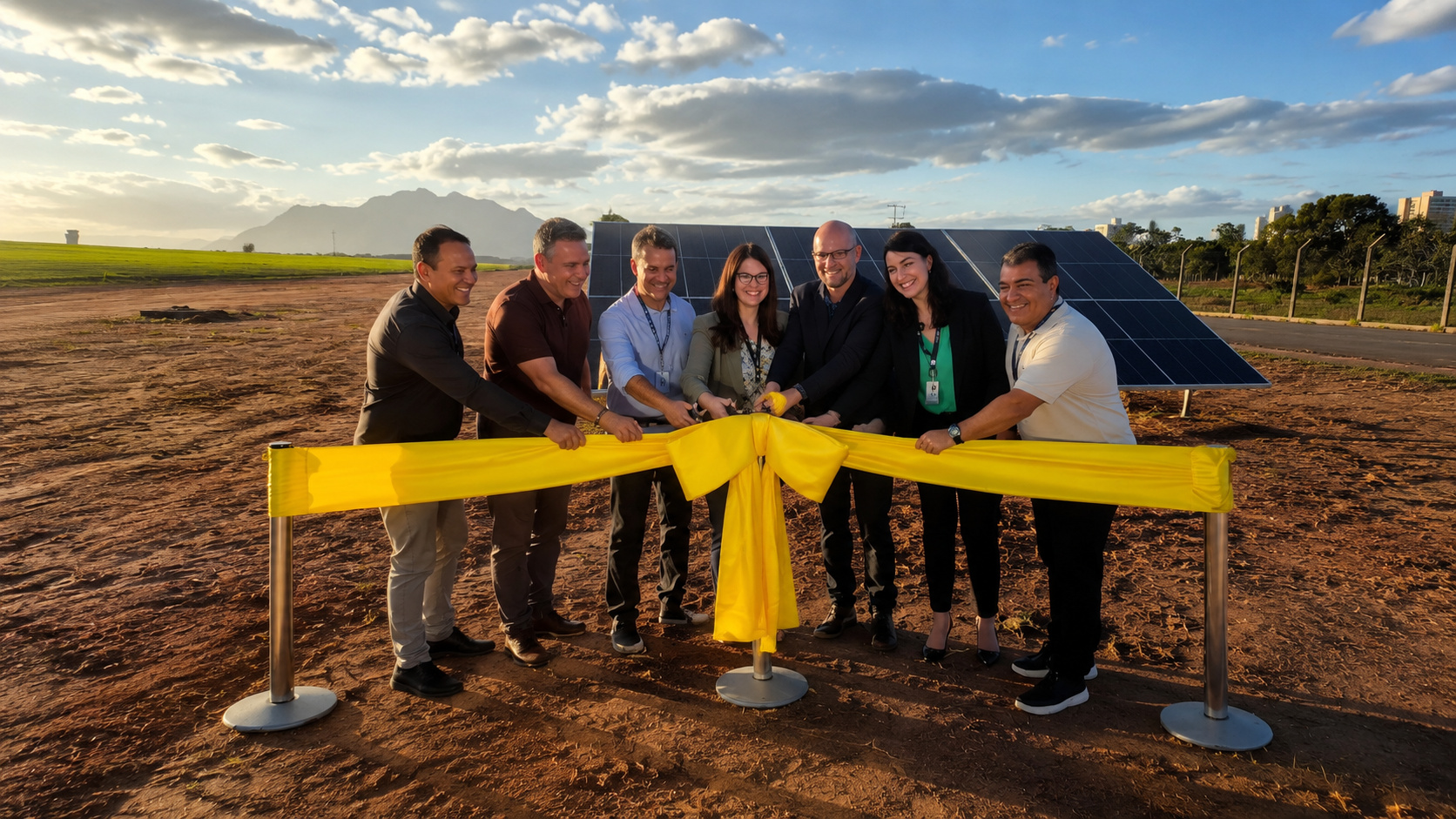
Brazil’s Vitória Airport to Launch Solar Plant Covering Area of 10 Soccer Fields, Boosting Clean Energy and Cutting Costs

-
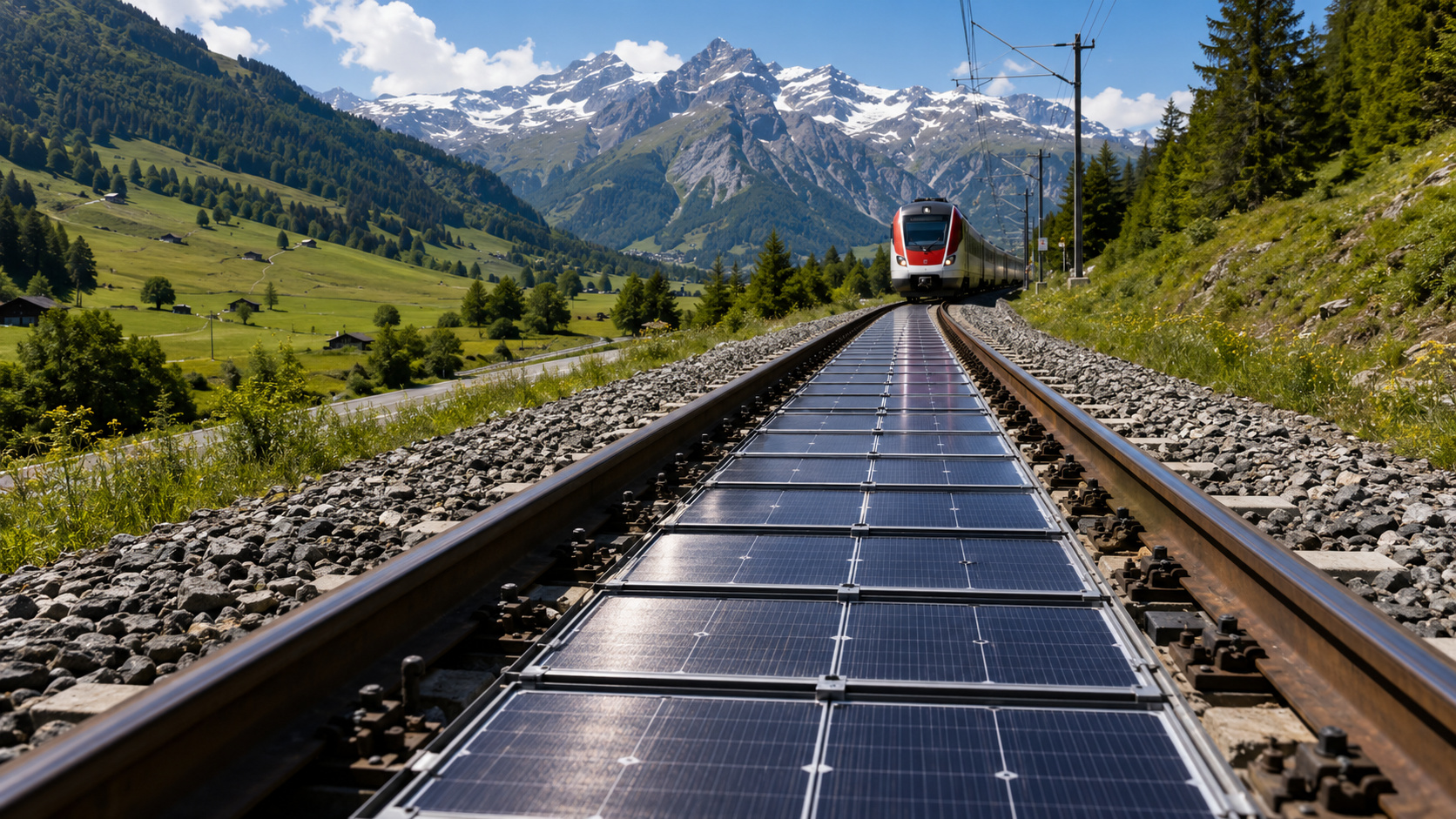
Switzerland Converts Train Tracks into Solar Power Plants with Removable Panels to Generate Energy Without Using Additional Land
-
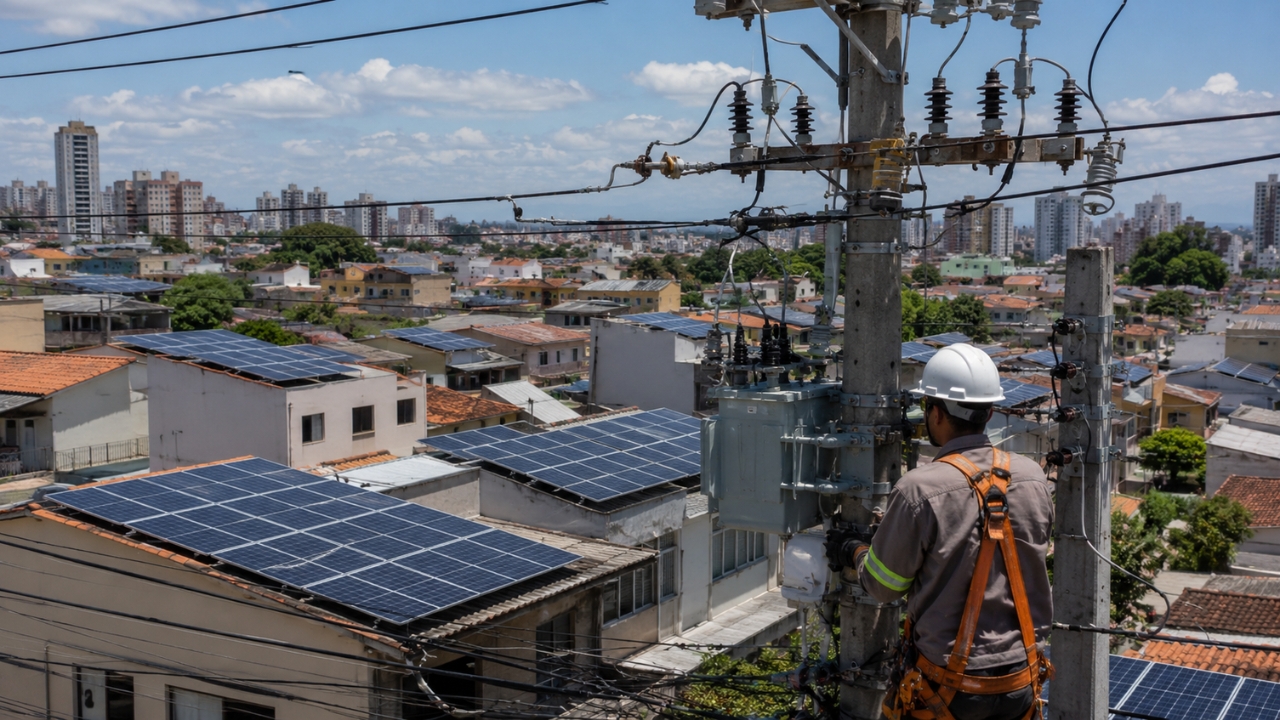
Surge in Solar-Powered Homes in Brazil Leads to Grid Strain and Connection Restrictions in Three States

-
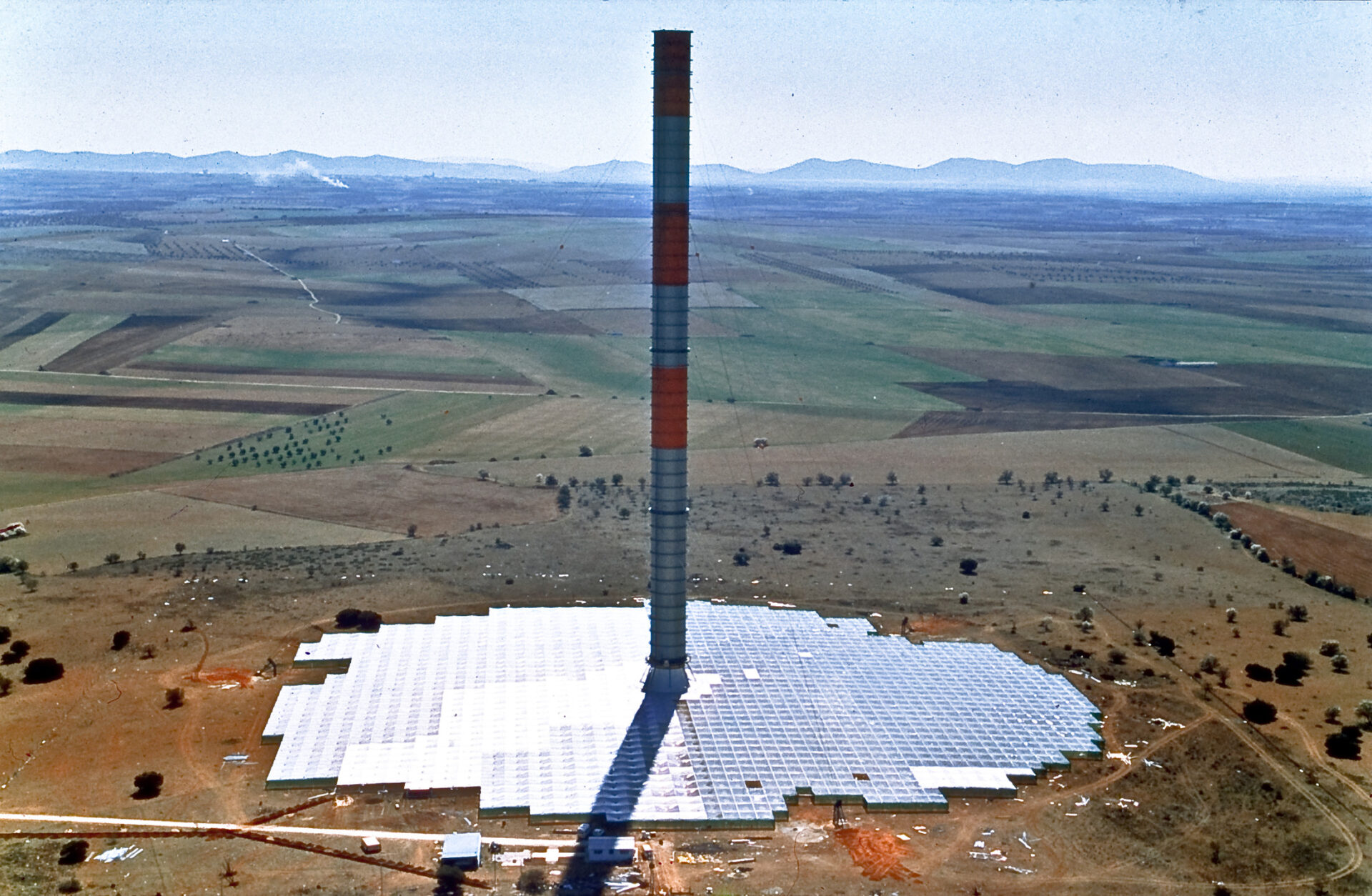
Solar Chimney in Spain Harnessed Sun to Generate Electricity for 7 Years Without Burning Fuel

Furthermore, the combination of public policies, easier access to technology, and greater environmental awareness strengthened this growth. Especially in regions with high solar incidence, like the interior of São Paulo.
Therefore, the strengthening of the solar sector in the country did not happen by chance. On the contrary, universities, research centers, and private companies began to work together to develop solutions applicable to the Brazilian reality.
In this way, the integration of science, innovation, and the environment has allowed the installation of increasingly efficient photovoltaic systems. Even in locations previously considered unviable.
Unoeste Expands Structure to Generate Solar Energy Locally
Being located in Presidente Prudente, where luminosity throughout the year is high, Unoeste took advantage of this natural benefit. Initially, the university had already started a project for photovoltaic plants to supply part of its energy consumption.
However, with the installation of more than 300 new solar modules, the system gained strength and began to contribute to the functioning of the Ana Cardoso Maia de Oliveira Lima Specialty Clinic, a reference in the region.
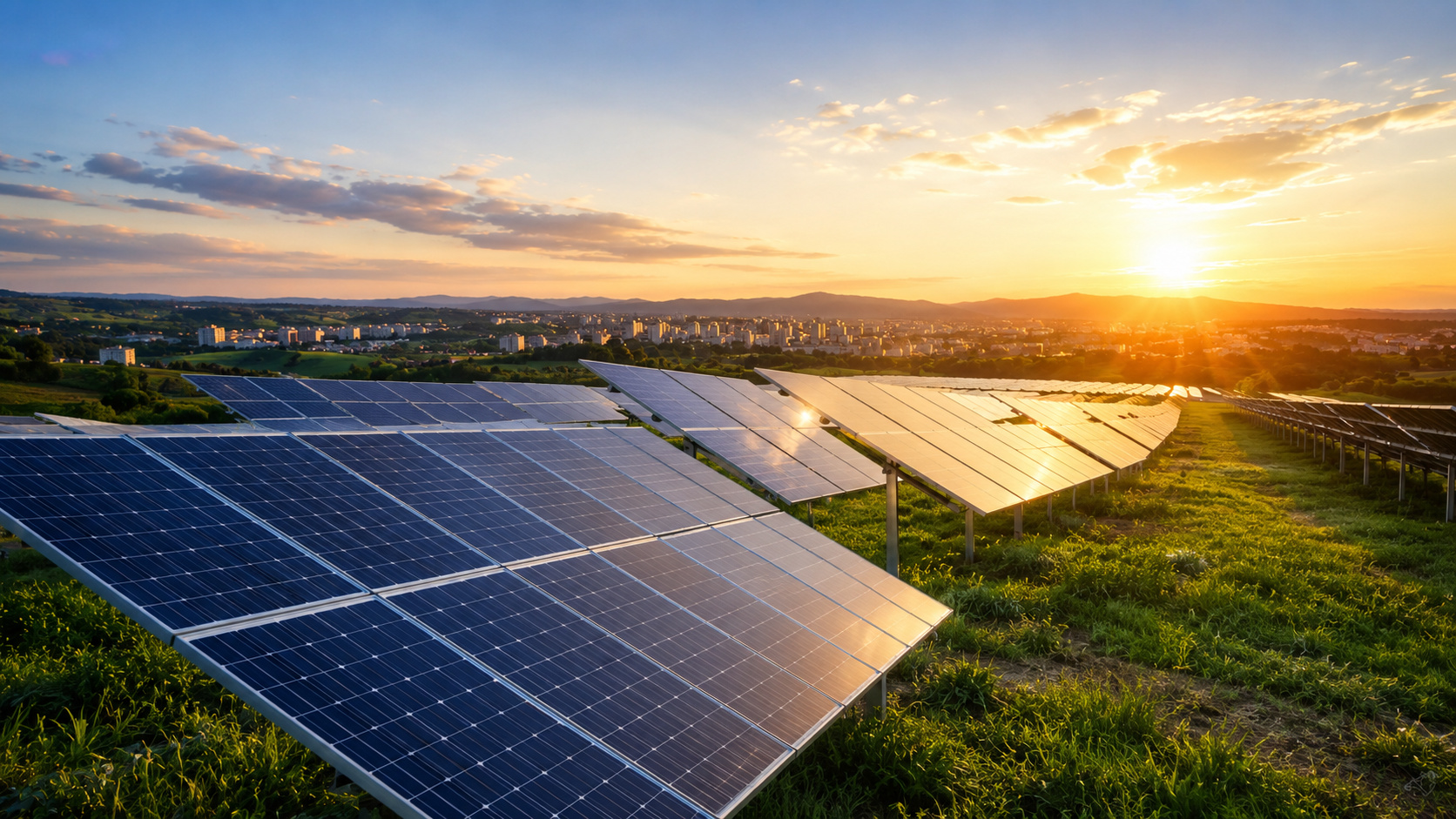
The installation of the solar panels was divided into two strategic points. On campus 1, Unoeste positioned 174 modules of 605 watts each on top of the Sports Gym. This resulted in a power of 105.27 kWp (kilowatt-peak).
At the clinic, 162 modules were installed, with a capacity of 98 kWp. Thus, the monthly energy generation can reach 13,119 kWh on campus and 12,296 kWh at the clinic.
Consequently, this local energy meets essential demands, such as lighting, climate control, operation of medical equipment, and support for digital systems. In addition, the university adopted rigorous energy efficiency criteria, prioritizing the optimal positioning of the panels and the intelligent use of available spaces.
Solar Energy for the Clinic Reinforces Quality in Health Services
According to Unoeste’s electrical engineer, Ednei Zaupa, the institution’s goal is to meet, in the medium term, all the energy demand of its units in Presidente Prudente through solar energy.
This strategy aligns the university with the global trend of decarbonizing the energy matrix, established by various countries in the Paris Agreement. As Brazil has one of the largest solar potentials in the world, especially in the Southeast and Midwestern regions, it becomes even more relevant to advance in this direction.
In addition to the technical aspect, using solar energy to power the clinic also directly impacts the quality of health services. This is because energy stability is fundamental for the proper functioning of medical equipment, refrigeration of vaccines and medications, lighting systems, and electronic medical records.
By producing its own energy, the clinic reduces its dependence on the public grid. This minimizes the risks of interruptions and raises the standard of care.
Additionally, the initiative strengthens the university’s role as a knowledge creator. Indeed, teachers and students have the opportunity to practically observe the energy transition. Moreover, they can use the photovoltaic structure itself as a teaching tool.
As a result, the engineering, architecture, and environmental sciences courses benefit from practical content and ecological sensitivity.
For this reason, integrating modern infrastructure with environmental education becomes essential. After all, this daily experience prepares a new generation of professionals who are more aware, critical, and prepared for the challenges of the climate crisis.
Thus, Unoeste fulfills its role of promoting not only technical knowledge but also socio-environmental responsibility.
Sustainability, Autonomy, and Positive Environmental Impact
From an environmental perspective, the gains are evident. While solar energy generates no waste or emits polluting gases, it contributes to reducing the use of fossil fuels.
Although the Brazilian electricity matrix is predominantly hydroelectric, recent crises have shown that it is necessary to diversify. In this scenario, solar energy emerges as a reliable, safe alternative with a lower environmental impact.
Historically, Brazil has faced difficulties in the electric sector. For example, the 1990s were marked by rationing and blackouts. This highlighted the fragility of dependence on a single source.
Since then, the country has initiated policies to encourage diversification. Thus, programs such as Proinfa and the regulation of microgeneration have allowed the expansion of alternative sources, including solar energy.
So, Unoeste’s decision to invest in solar energy to support the clinic proves to be consistent with current challenges. Sustainability has ceased to be a differential and has become an institutional necessity.
In this sense, using renewable sources reflects a modern posture, aligned with the demands of the 21st century.
Furthermore, technological advancements have reduced equipment costs, making the investment more accessible. As if that were not enough, legislation allows the excess generated by the panels to be converted into credits with the distributor.
Thus, this increases the economic efficiency of the system, creating a sustainable cycle of production and consumption.
Solar Energy as a Permanent Strategy for the Future
Therefore, adopting solar energy to support the clinic represents more than an energy solution. It is a long-term strategy that combines economy, sustainability, and security.
In times of climate change and overload on public services, measures like this become increasingly urgent and effective.
Unoeste, by integrating clean sources into the operation of its clinic, becomes an institutional reference. After all, providing health services with renewable energy demonstrates technical viability and responsibility for the future.
In addition, it strengthens the university’s ties with the community. This provides more efficient, stable, and sustainable care.
As more institutions follow the same path, it will be possible to consolidate a more just, resilient energy model aligned with the needs of the country.
As a result, solar energy applied to health can transform the reality of many regions. This will promote energy inclusion and reduced operational costs.
In this way, by acting proactively, Unoeste collaborates with the environment, generates savings, and promotes innovation. With technology, commitment, and the intelligent use of natural resources, the university shows that the future of energy in Brazil can indeed be written with light, responsibility, and concrete action.