






 Portuguese
  Spanish
  3 min of reading
  0 comments


Uruguay Plans to Forge a Partnership with Brazil Focused on Advancing Air Transport. The Open Skies Agreement Between the Countries Is Expected to Be Finalized Soon, Following Negotiations with Argentina.
The Director of Air Transport at the Ministry of Transport and Public Works of Uruguay (MTOP), Daniel Olmedo, stated that the main objective is to advance with an open skies agreement with Brazil. According to reports, this statement was made shortly after the signing of an open skies agreement between Uruguay and Argentina.
What Is an Open Skies Agreement?
The agreement between Uruguay and Argentina marked a significant advancement in terms of connectivity for the South American country, which lost a substantial number of flights during the pandemic. The open skies agreement is an agreement that allows free market access for the air transport of passengers, cargo, services, and charter flights.
The first open skies agreement was signed in 1992 between the US and the Netherlands. Brazil, on the other hand, is currently making ad hoc agreements with other countries aiming to protect Brazilian airlines. A large part of the open skies agreement includes competition, prices determined by market forces, fair and equal competition, cooperative marketing, and safety.
-
Brazil Welcomes Spanish Wamos Air and Nigerian Air Peace, Potentially Transforming International Routes and Increasing Competition

-
Offshore air transport soars in Brazil, surpasses 2.5 million passengers, and reveals how oil has transformed Rio’s airports into key pieces of national logistics.

-
Latin America becomes the “global champion” of aviation taxes, tickets may become more expensive in Brazil, and IATA’s warning exposes risk for flights, tourism, and passengers.
-
Brazil has lost 85 air routes since 2019 and is still flying less than before the pandemic, leaving passengers with fewer destinations, fewer frequencies, and a more limited air network.


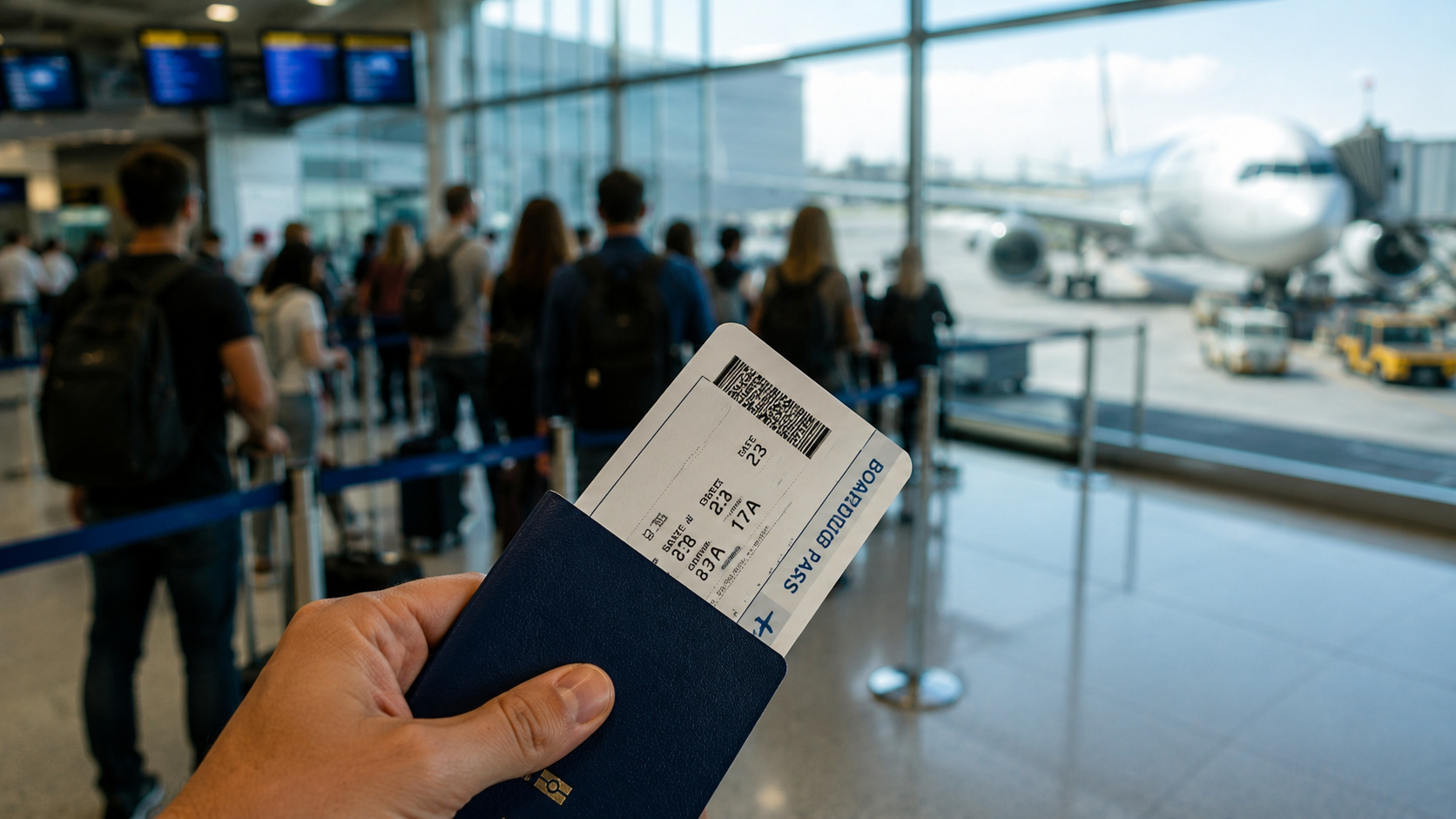

According to the director of the Uruguayan agency in an interview, the country is located quite far south with not a significant passenger traffic. Olmedo also emphasizes that these characteristics prevent Uruguay from being an attractive destination for countries beyond the region. However, with agreements with Chile and Paraguay and other partial treaties, such as with Ecuador, signing an open skies agreement with Brazil now emerges as the main objective.
The Undersecretary of Transport and Public Works, Juan Olaizola, noted that the treaty between Uruguay and Argentina allows all airlines to fly freely between the airports of both countries, a substantial change for connectivity.
Uruguay Is Still Recovering from the Pandemic in Air Transport
Olaizola further highlights that the post-pandemic recovery is still an ongoing process. In the last year, a recovery of 20% was launched. In any case, Uruguay still has 200,000 passengers less than it did in 2019.
According to the already signed open skies treaties, and regarding this objective, the undersecretary reminded that once all domestic airports in Uruguay are refurbished, a better scenario will be possible to recover more passengers.
It is important to remember that, in March, Brazil and Argentina signed an open skies agreement for commercial aviation, eliminating the limit on passenger flights and cargo planes, according to information from the Ministry of Foreign Affairs.
Learn More About the Agreement Between Brazil and Argentina in Air Transport
Representatives of the National Civil Aviation Agency (ANAC) and the National Civil Aviation Administration of Argentina signed, in March, in Buenos Aires, a Memorandum of Understanding to expand the availability of flights between the countries. The document establishes the so-called open skies agreement, which reduces bureaucracy for operating air routes between Brazil and Argentina and eliminates the limit, previously in place, of 170 weekly flights.
According to ANAC, the measure will provide more flexibility for companies to plan their operations, potentially leading to an increase in service availability and enhancing competition on the routes linking Brazil and Argentina. During high tourism season periods, for example, it is common for Argentine companies to request extra flights to Brazilian coastal destinations.
In the winter, Brazilian companies, in turn, seek to increase the seat availability for destinations linked to snow in Argentina. The memorandum of understanding also expands the permission for cargo services operations, allowing airlines from both countries to perform international cargo transport without requiring that the operation start or end in the country of the airline’s origin.






Be the first to react!