Portuguese
  Spanish


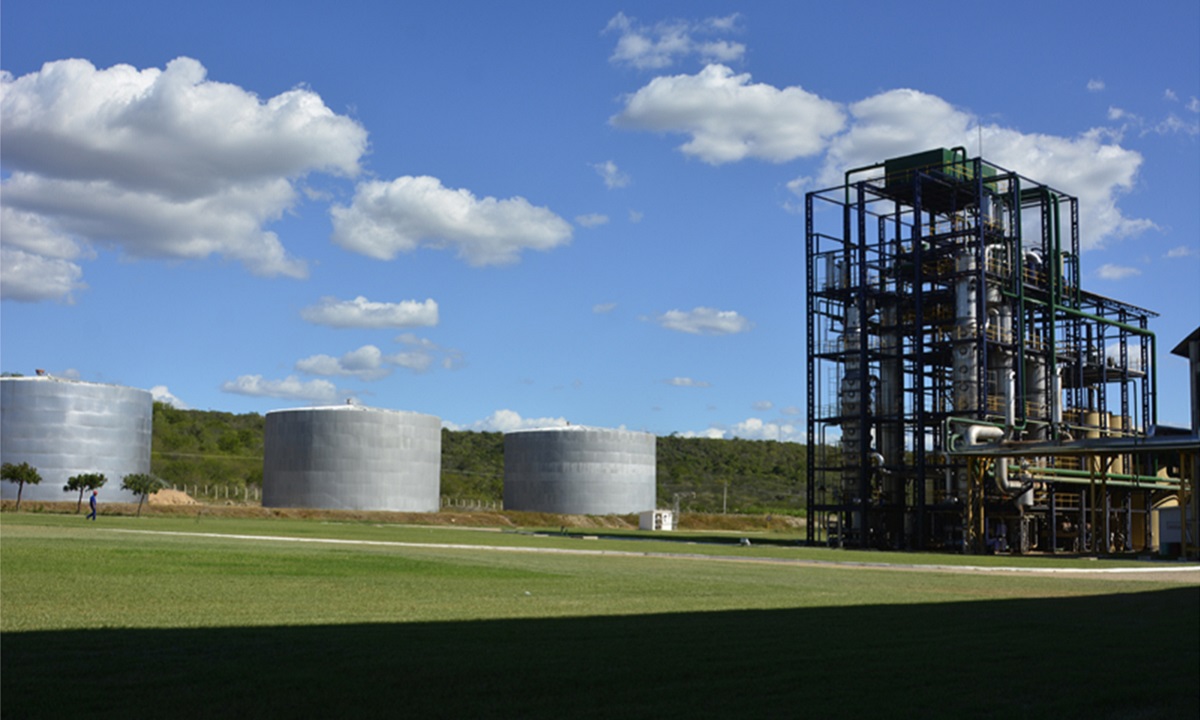

Ceará-Mirim Plant Set A Goal Of 30% For Ethanol Production For The 2022/2023 Harvest In Rio Grande do Norte
The Ceará-Mirim Plant, located in the State of Rio Grande do Norte, is planning to increase direct sales of ethanol to gas stations by up to five times starting from the 2022/23 harvest.
In the first months of the law’s regulation, industry merchants estimate that the price of a liter of ethanol could have decreased between R$ 0.15 and R$ 0.50 in Rio Grande do Norte. Regardless of the change in the law, the price variance of ethanol is seasonal, tied to the sugarcane harvest in Rio Grande do Norte.
The plant in Rio Grande do Norte began direct sales of ethanol to gas stations effectively in January this year, with the current customer list consisting of 52 gas stations, representing 580,000 liters, 6% of the total supplied by the plant in the last harvest, the management reports. The gas stations that purchased ethanol from the Rio Grande do Norte plant received a reduction of R$ 0.45 to R$ 0.50.
-
Fired during apartheid and with a little borrowed money, an electrician started with a borrowed truck and transformed electrical services into a group connected to energy, real estate, and infrastructure in South Africa.

-
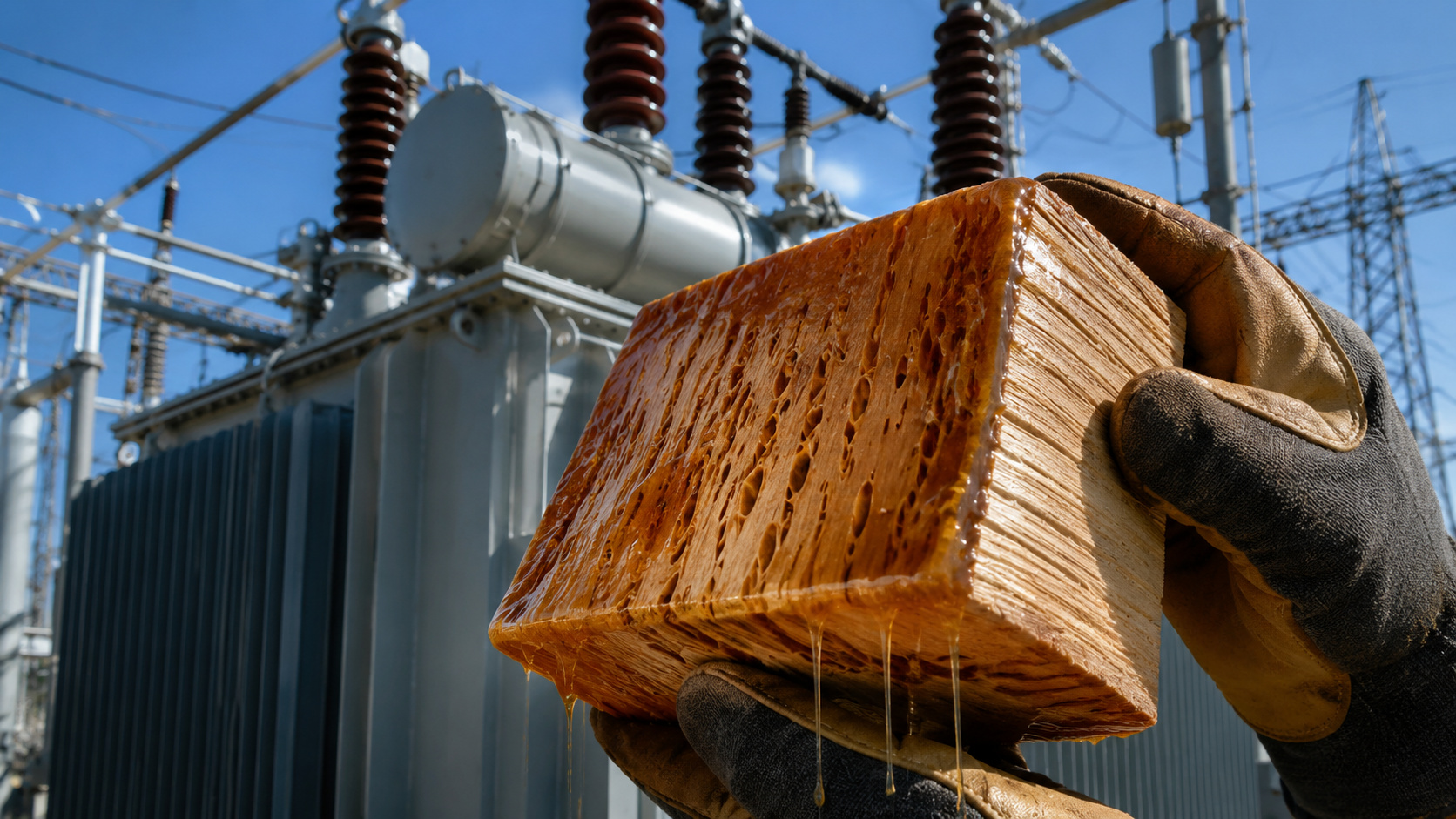
Wood has ceased to be just a construction material in Yale research and has become insulation for electrical transformers that face intense heat, aging, and increasing pressure from the renewable energy-powered grid.
-
More than 1,000 residents of a remote island in Kiribati now have clean water and electricity with solar systems operated by the community itself.
-
Corn ethanol attracts R$ 23 billion in 21 new plants and prepares for a nearly 50% jump in Brazilian production by 2027, even with high interest rates.




“The investment by the Ceará-Mirim Plant in Rio Grande do Norte in this sales format further reinforces the DNA directed towards variation, synergy, and innovation in business, in addition to helping them achieve the growth targets set for the company not only this year but in the coming years,” states Paulo Telles Neto, president of Grupo Telles.
The aim of the Ceará-Mirim Plant in Rio Grande do Norte is to expand its direct distribution of ethanol to gas stations from 5% to 30% within a year.
For Telles and industry merchants, the change in the dynamics of ethanol supply by the Rio Grande do Norte Plant is still under development. “It’s a new chain,” he says.
Gas Stations Purchasing Ethanol From The Rio Grande do Norte Plant Will Need To Pick Up Fuel Directly From The Factory
With direct purchasing, gas stations need, for example, to be prepared regarding the logistics of fuel delivery, meaning they will need to pick up ethanol directly from the Plant instead of receiving it via distributor trucks.
The president of the Retailers’ Syndicate of Petroleum Derivatives of Rio Grande do Norte (Sindipostos-RN), Maxwell Flor, assesses that the change in legislation was positive for the market, but he points out the logistical issue as a difficulty for small gas stations.
“When it was the harvest period, we had reports of resellers acquiring ethanol. It depends a lot on logistics. When we send the truck to the location, it takes time to load. This leaves us without a truck to load gasoline and diesel at the distributor. It has to weigh a lot, a scenario where everything goes right,” said Maxwell Flor in a recent interview. According to him, during the harvest, the price of a liter of ethanol saw a decrease of R$ 0.10 to R$ 0.15 in direct purchase periods.
Currently, Rio Grande do Norte has 664 gas stations registered with ANP (National Agency of Petroleum, Natural Gas and Biofuels), of which 295 are of the “white flag” type, meaning they are not tied to any distributor.
Ceará Declares Reduction From 18% To 15% In ICMS For Ethanol
A proposed complementary law regarding the reduction of the ICMS for ethanol (Tax on Circulation of Goods and Services) in Ceará was submitted for approval by the Legislative Assembly on Monday, the 1st. The state executive’s plan is to reduce the rate from 18% to 15%.
On her Twitter, Governor Izolda Cela stated, “The project is now going for approval in the Legislative Assembly. We are united for an increasingly strong and developed Ceará.”
At the beginning of July, Izolda had already mentioned that the State would follow law 194, which set a ceiling of 18% for the ICMS rate on fuels.