Portuguese
  Spanish


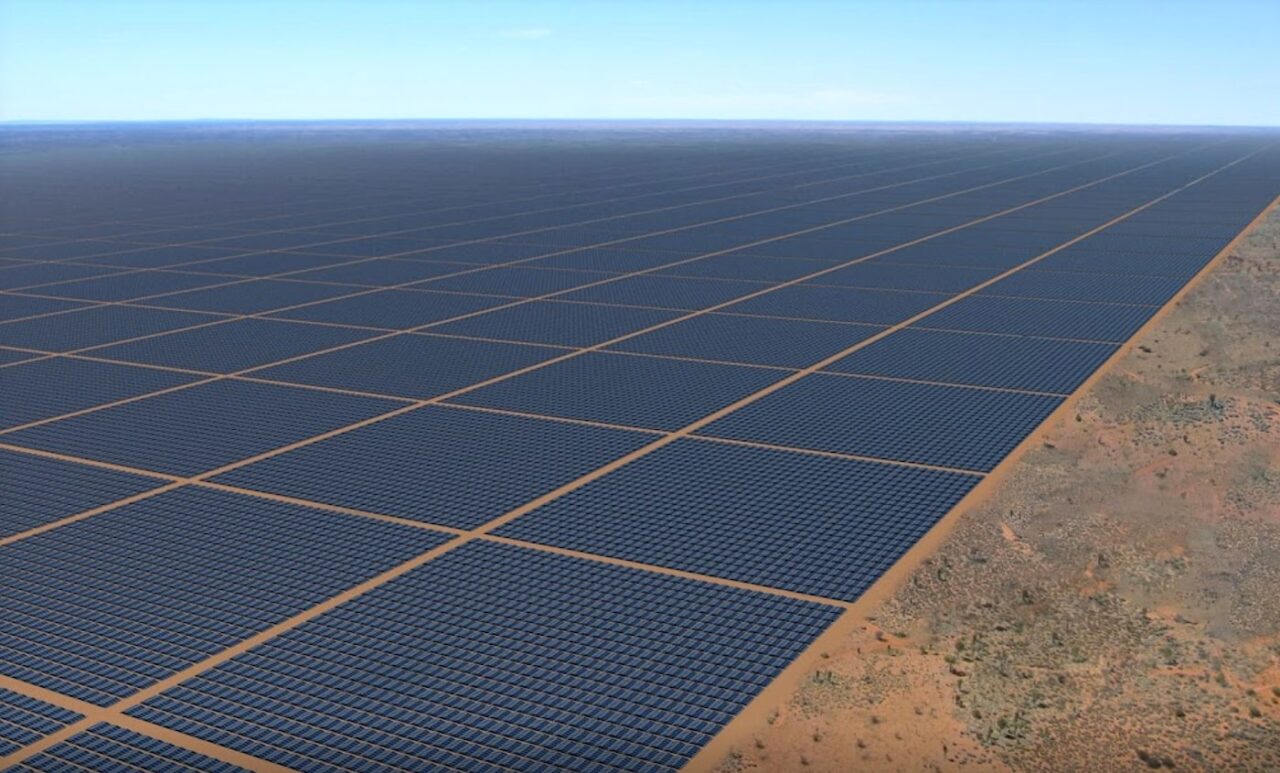

CooperSol Formally Launched Its Solar Plant with 2,880 Photovoltaic Solar Panels in the State of Amazonas
Last Sunday (11), the Amazonas Renewable Energy Cooperative formally launched its solar plant with 2,880 photovoltaic solar panels at kilometer 23 of the AM-010 highway. This solar plant generates energy for 86 members, but also distributes energy to companies.
Read Also
This is the largest investment in the area of photovoltaic solar energy in Amazonas, paying off all its shares in less than six months. Given this growth, the company in Amazonas will build two more solar plants, expanding to another 4,656 photovoltaic solar panels by September 2021. The second solar plant will be on BR 174 at kilometer 14 and the third next to the current one on the AM-010 highway. In total, there will be 7,536 photovoltaic solar panels from the largest solar energy cooperative in the Amazon.
Words from the President of CooperSol in Amazonas About the New Solar Plant
According to José Merched Chaar, president of CooperSol, the creation of a photovoltaic solar energy plant will be able to reduce the electricity bills of its members and all companies that purchase the excess energy in Amazonas.
-
Over 60 Tractors Take to the Streets in Lopera as Solar Parks Compete with Olive Groves, Affecting 13,000 to 100,000 Trees According to Conflicting Reports

-
Green Hydrogen Projects in Northeastern Brazil Stalled for 18 Months Awaiting Government Decree, Delaying Billions in Investments
-
Brazil Concludes Largest Energy Auction in History, Secures 18.97 GW and Mobilizes $12.8 Billion to Ensure Supply Until 2031
-
How Norway Produces More Energy Than It Consumes with Nearly 1,800 Hydropower Plants and Over 1,100 Reservoirs


All conditions are being created so that current and future members involved in the creation of solar plants in Amazonas can see a secure return in the Amazon market with clean and low-cost energy.
The regional director of the Sicoob System of Amazonas, José Carlos Castelos Alvez, states that all financing activities for those wishing to acquire solar panels are being carried out in line with the equalitarian principle of cooperativism advocated by CooperSol.
Investments in Solar Energy in Brazil Are Growing
According to Aneel, Brazil has about 30 GW of authorized capacity, involving 767 projects with construction not yet started. The photovoltaic solar projects represent 415 projects, totaling 16.4 GW.
Additionally, Brazil has one of the largest silicon reserves in the world. This makes the country a privileged location to develop a local industry for the production of solar cells and the creation of one or more solar plants, generating jobs and tax returns. For this, it would be necessary to invest in research for the development of silicon purification to achieve the so-called “solar grade,” which is higher than the silicon used in steelmaking.
Aggressive Prices
Less surprised by the low prices was Marcio Takata, head of the Brazilian consultancy Greener. In a statement to the pv magazine, he said he expected a very competitive auction, considering the large number of competing photovoltaic projects in the auction, whose combined capacity is about 20 GW.
“In addition to the heightened competition, the combination of several factors was important for such aggressive pricing: the composition of more efficient capital structures, additional revenues guaranteed by the anticipation of the plants’ start of operations, synergies with the economies of scale of the projects, along with an accelerated learning curve in the sector were fundamental factors that led to more efficient projects from a technical and financial perspective,” Takata said.
He added that it is important to consider that some key variables directly impacting project profitability, such as exchange rates, interest rates, and access to financing, are strongly influenced by the economic and political environment.
About CooperSol
Established on July 28, 2020, with the goal of producing its own energy, which will be distributed in the form of credits in kilowatt-hours on the electricity bills of the members. This project is a pioneer in the State of Amazonas, and the company has legally completed all stages for operation.