Portuguese
  Spanish


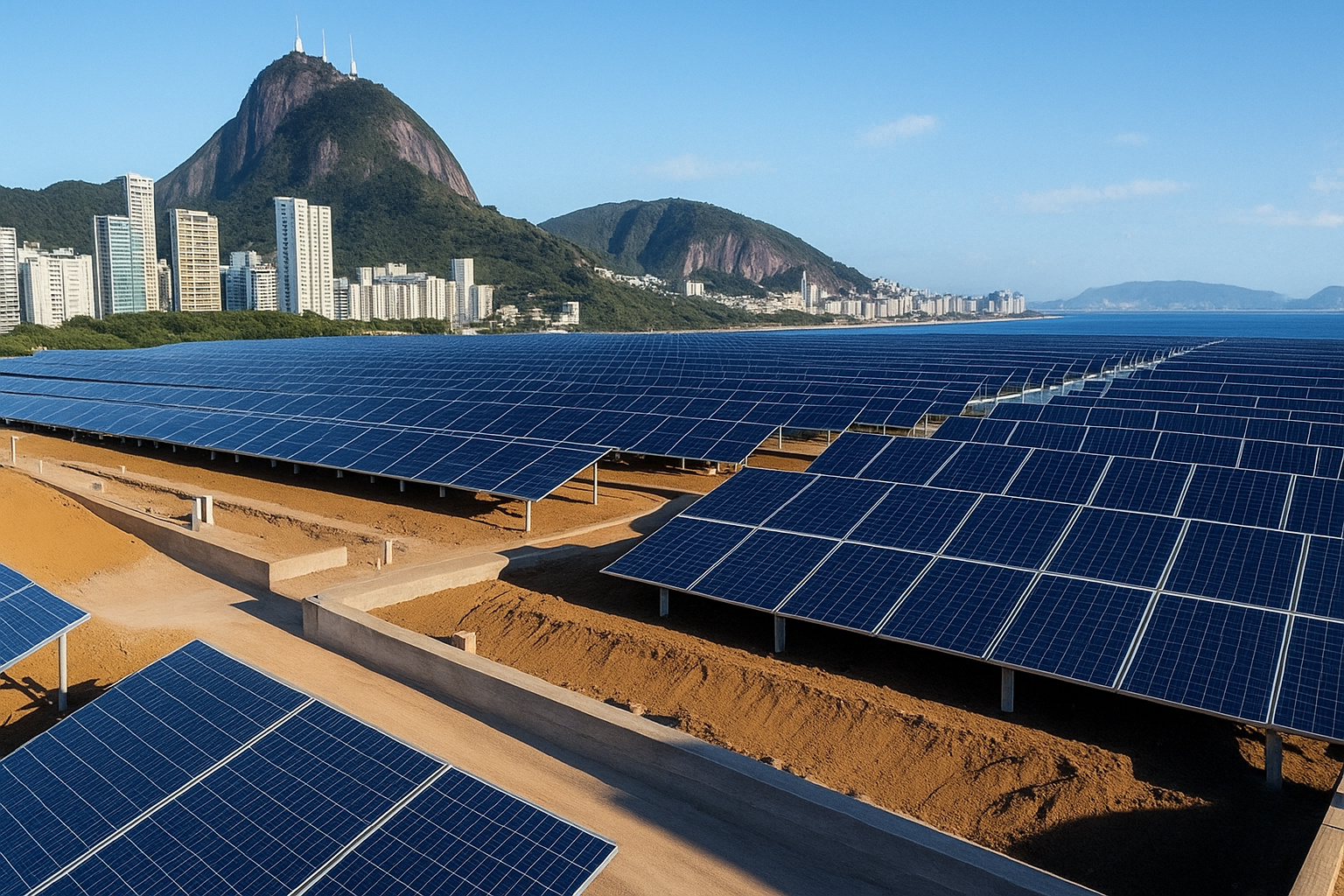

Discover How an Old Landfill Became a Hub for Clean Energy and Helped Rio de Janeiro Advance in the Sustainable Energy Transition.
The transformation of the old landfill in Santa Cruz, in the West Zone of Rio de Janeiro, into a clean energy hub represents a new chapter in the city’s history.
From the start, the project — named Solario Carioca — demonstrates how innovation and sustainability can go hand in hand.
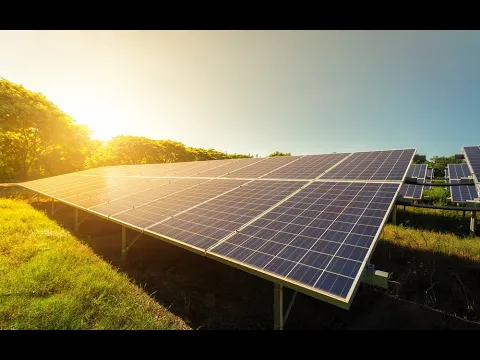
The area that once accumulated waste and pollution now hosts more than 9,000 solar panels, responsible for generating renewable energy and significantly reducing greenhouse gas emissions.
-
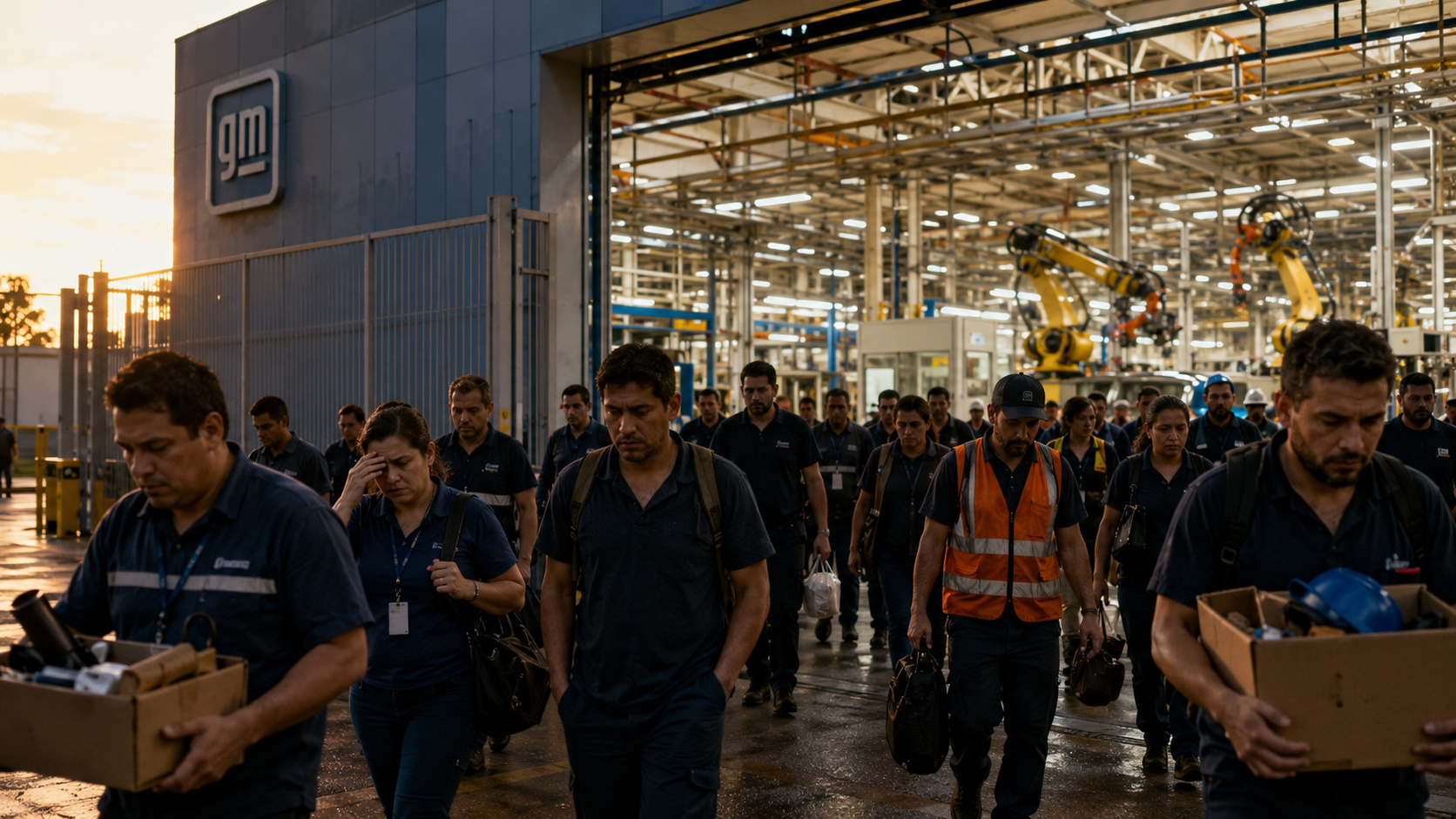
General Motors Replaces Over a Thousand Workers with 50 Cobots at Electric Vehicle Plant, UAW Union Criticizes Move Amid Industry’s Automation Push

-
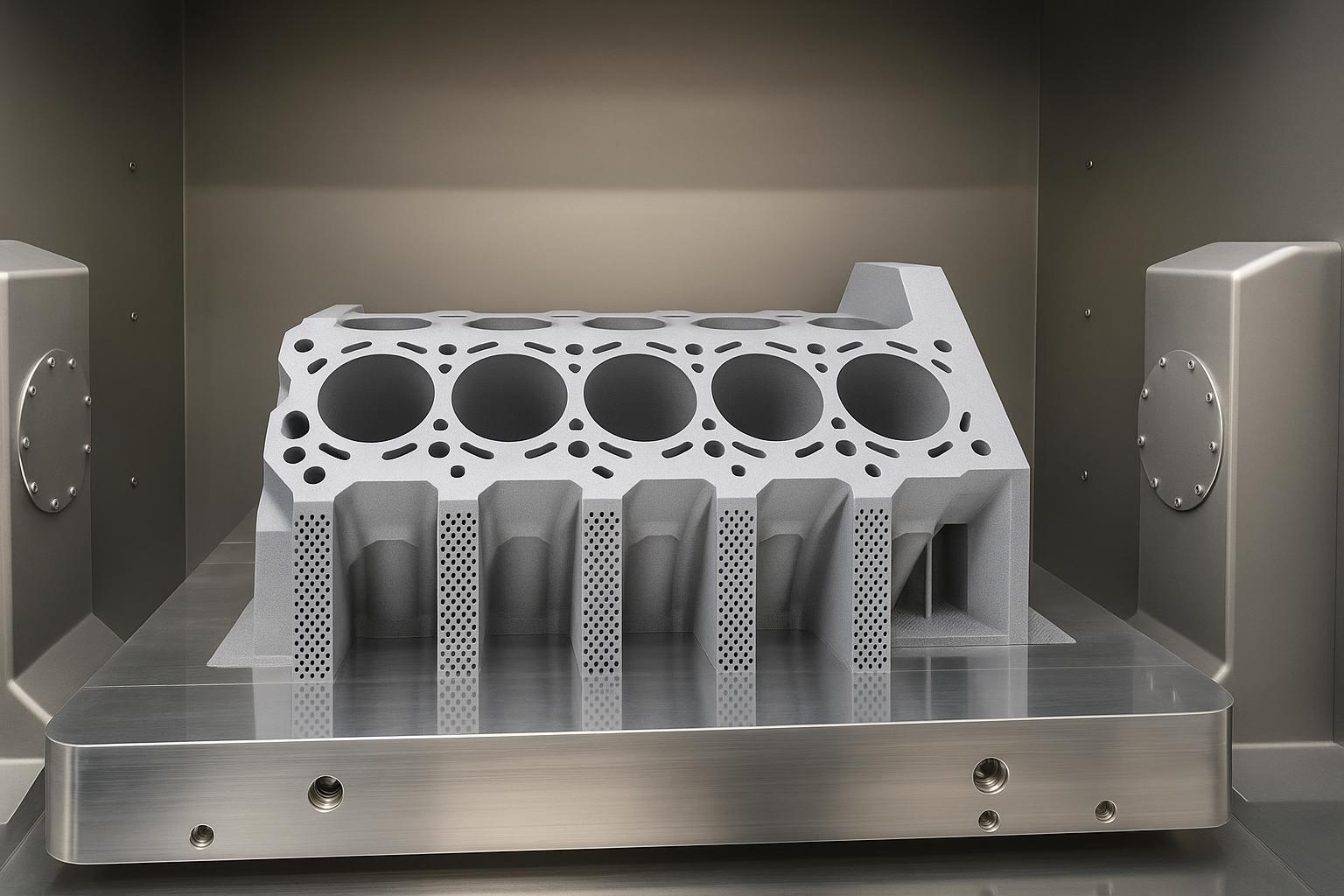
Bosch and Nikon 3D Print Entire Aluminum V8 Engine Block, Sparking New Competition in the Automotive Industry

-
Honda and Nissan Form Alliance to Tackle Competition from Chinese Automakers After $9 Billion Loss
-
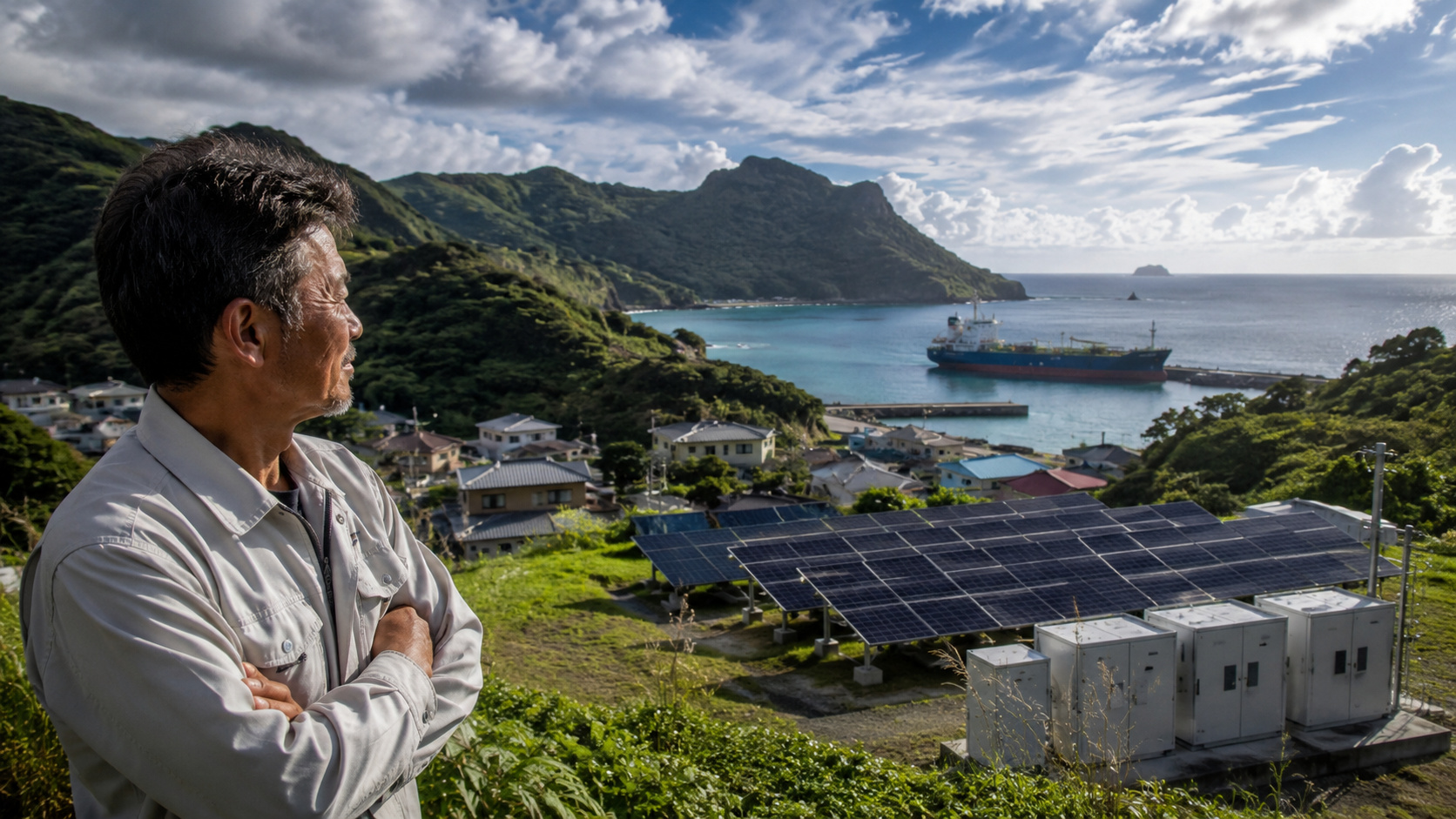
Island in Brazil Innovates by Installing 184 Solar Panels on Urban Lagoon to Generate Clean Energy


Moreover, the initiative arose as part of a public policy aimed at urban energy transition. Thus, the goal is to reduce dependence on fossil fuels while lowering costs for the public coffers.
In this way, the plant already supplies about 100 municipal schools daily, practically demonstrating the transformative power of solar energy in the everyday lives of the population.
A Symbol of Renewal and Energy Efficiency
For decades, the old landfill in Santa Cruz was a point of environmental degradation.
However, its reconfiguration to generate energy shows how it is possible to transform environmental liabilities into sustainable assets.
Thus, this change of purpose reflects the efforts of governments and companies to utilize degraded areas for new clean energy projects.
In addition to reducing environmental impact, the energy produced by Solario Carioca is 100% renewable and about 20% cheaper, resulting in an annual savings of R$ 2 million for municipal coffers.
Consequently, this investment represents a financial gain and a structural change in how cities think about energy.
In this way, places that once symbolized the negative impact of unplanned urban growth now become symbols of environmental recovery and technological innovation.
This movement reinforces that urban sustainability depends on planning and smart choices.
Historical Context and the Advancement of Clean Energies in Brazil
Historically, Brazil has always made good use of its natural resources for energy generation.
From the construction of large hydroelectric plants in the 20th century to the growth of wind and solar energy in the 21st century, the country seeks to balance economic development and environmental responsibility.
In the case of Rio de Janeiro, its historical role in the production and distribution of energy is undeniable.
However, in recent decades, the state has begun to diversify its energy matrix, investing in cleaner and more sustainable sources.
In this context, the project in Santa Cruz emerges as a milestone of modernization and urban sustainability, consolidating the city as an example of energy innovation for other Brazilian capitals.
Furthermore, Solario Carioca highlights Rio among the cities that are investing the most in green infrastructure and low-carbon economy.
Therefore, this advancement reinforces the importance of consistent and long-term public policies, capable of integrating technology, the environment, and social inclusion.
The Social and Educational Impact of the Clean Energy Hub
In addition to the environmental benefits, the social impact of the solar plant is deep and lasting.
Supplying 100 municipal schools daily means that the generated savings can be reinvested in education, infrastructure, and social programs.
Thus, a sustainable development cycle is created, in which clean energy drives other areas of society.
Likewise, the project serves as an educational tool.
It sparks the interest of students and teachers in science, sustainability, and conscious consumption.
In this way, Solario Carioca contributes to forming citizens more engaged with environmental causes and committed to the future of the planet.
Moreover, during the construction and maintenance of the plant, there was creation of direct and indirect jobs, which strengthens the local economy.
Thus, the old landfill ceased to be a problem and became a motor of opportunities, proving that sustainability can be economically viable and socially just.
The Future of Solar Energy and the Expansion of Clean Hubs
With the success of Solario Carioca, Rio de Janeiro paves the way for new clean energy hubs in different regions of the country.
As more cities adopt similar solutions, Brazil expands its solar generation capacity and strengthens its energy matrix.
Moreover, technological advancements play a fundamental role in this process.
The drop in costs of solar panels and the increase in the efficiency of photovoltaic cells make the investment increasingly accessible.
Thus, with government incentives and sustainable financing, other cities can follow the same path.
Therefore, Rio de Janeiro reinforces its commitment to the UN’s Agenda 2030, especially in the objectives of affordable energy and combating climate change.
As a result, the city demonstrates that, with planning and innovation, it is possible to unite sustainability, efficiency, and quality of life.
A New Landscape for Rio and the Planet
Overall, the old landfill in Santa Cruz has become an inspiring example of how solar energy can rewrite the history of a territory.
Once a space of degradation, the location now symbolizes hope, technology, and future.
Thus, the project reflects a global movement towards decarbonization and the search for greener and more resilient cities.
Furthermore, the creation of clean energy hubs shows that economic development can go hand in hand with environmental preservation.
In this way, the benefits go beyond local borders and influence future generations, strengthening the economy and promoting a collective mindset focused on sustainability.
Therefore, Solario Carioca is not just an infrastructure project, but rather a symbol of transformation and resilience.
It shows that the energy of the future can arise exactly where the past left its marks and that innovation is the engine of environmental regeneration.
The Legacy of the Clean Energy Hub
Ultimately, the story of the landfill that turned into a clean energy hub in Rio de Janeiro shows that innovation and sustainability can coexist in harmony.
The initiative is an example of intelligent repurposing of urban spaces, inspiring other cities to rethink their own territories.
With the continuous advancement of solar technologies and the increase in environmental awareness, new clean energy hubs are expected to emerge throughout the country.
Thus, Brazil consolidates its position as one of the world leaders in renewable energy, proving that it is possible to grow sustainably and responsibly.
Finally, the true impact of Solario Carioca goes beyond the energy it produces.
It represents a change in mindset, showing that, with creativity, technology, and political will, it is possible to transform environmental challenges into future opportunities.