






 Portuguese
  Spanish
 2 min of reading


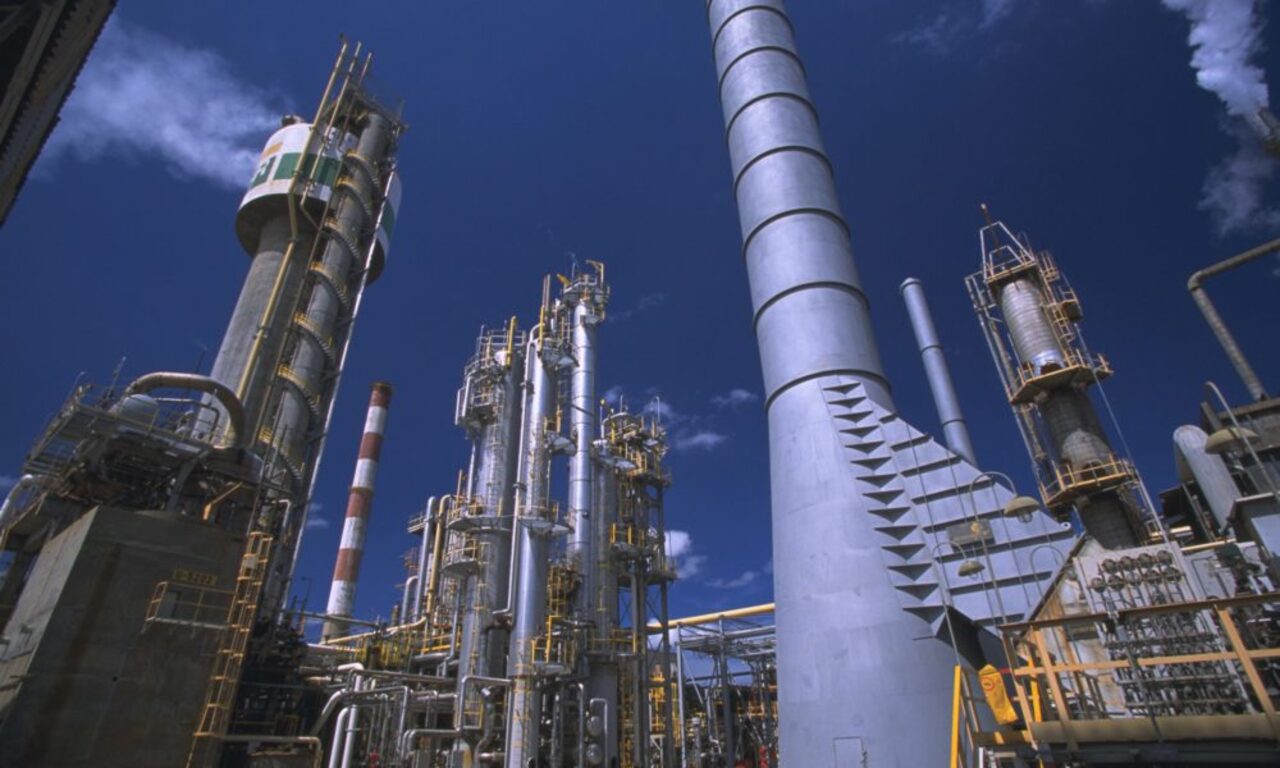
The Camaçari Thermoelectric Plant in Bahia, Which Was One of Petrobras’ Main Investments, Is Currently With Operations Halted, Million-Dollar Debts, and Uncertainty About Its Future.
Petrobras has already requested the shutdown of operations at the Camaçari thermoelectric plant, having become a “white elephant,” as it simply cannot sell energy at the necessary price to cover the operating, maintenance, and technology costs used in assembling the plant. In an interview, Petrobras admitted that it has no idea what it will do with the plant’s machinery. It will be up to General Joaquim Silva e Luna to address this challenge, as he will take over the oil company later this month in March.
Read Also
Investment and Partnerships Involving the Thermoelectric Plant
Built in 2001, using over US$ 60 million, the plant – which has the capacity to generate around 120 megawatts (MW) of energy – was the result of a major partnership between Petrobras and the Portuguese EDP.
About three years later, the Brazilian state-owned company decided to take full control of the plant, paying an additional R$ 240 million, adjusted for inflation, owning until that moment 100% of the business. Without major issues, the plant remained strong in energy generation. However, to the surprise of many, in 2017 the gas-powered plant was completely surrounded by problems, leading to its unviability.
-
IEA reduces forecast for global oil demand in 2026 after impacts of the Middle East crisis

-
Bank of Japan raises interest rates to 1%, reaching the highest level in over three decades

-
ANP halts LPG reform, and Sindigás sees technical caution as a decisive point for safety, investments, and the future of the cylinder in Brazil.
-
Oil spill in the Caribbean raises environmental alert and increases tension between Venezuela and Trinidad and Tobago





Exit from the Energy Market
Realizing the chaos in which the thermoelectric plant found itself, and also after having auctioned the plant’s energy twice in 2015 and 2017, Petrobras informed the National Electric Energy Agency (Aneel) that the “Termocamaçari” was no longer profitable and did not present “economically viable” results in the energy market due to “absence of operational conditions”.






Be the first to react!