Portuguese
  Spanish


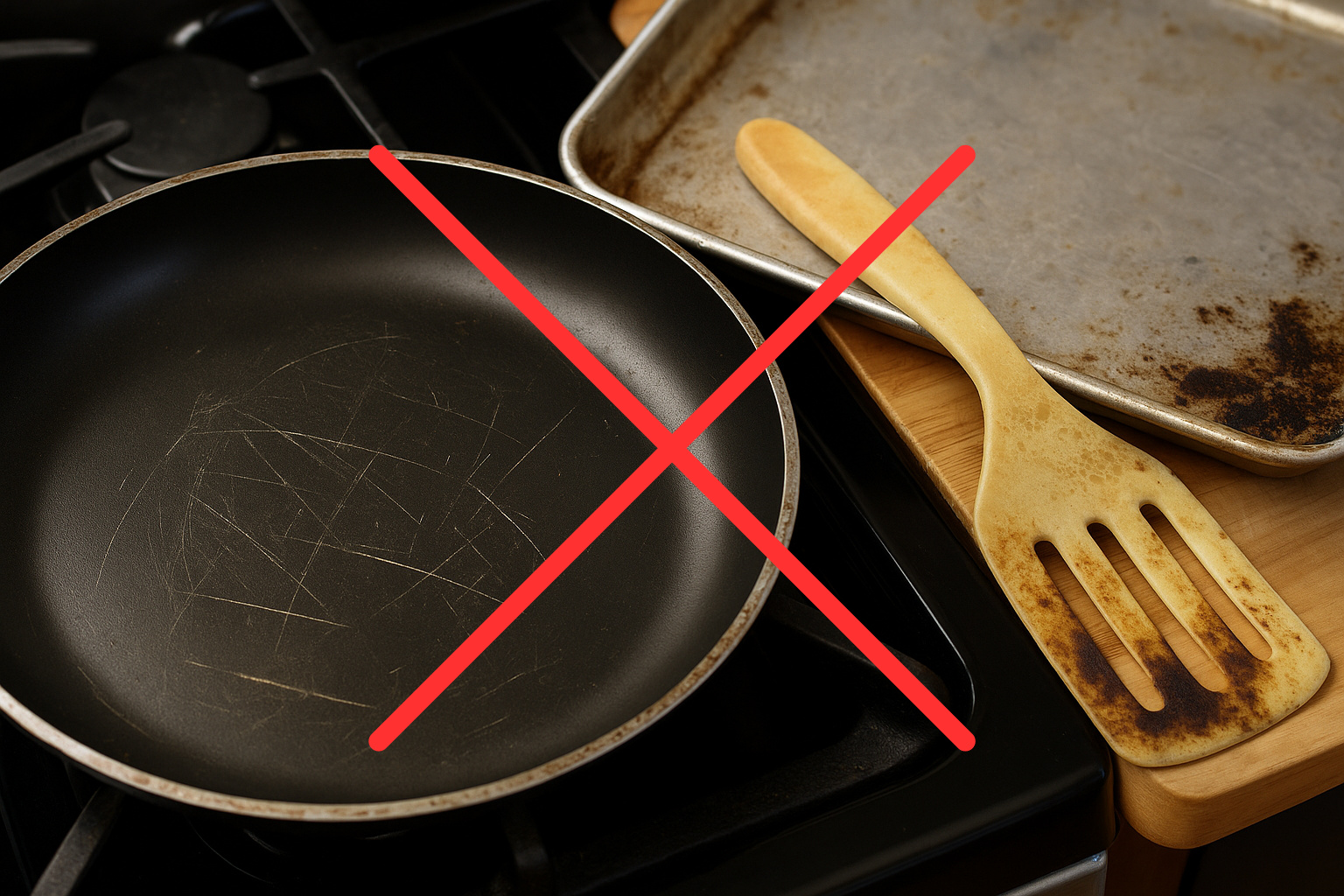


Common Items Release Harmful Substances, Go Unnoticed in Routine, and Require Heightened Attention with Wear, Heat, and Frequent Use
Many utensils found in the kitchen seem harmless, although specific materials release toxic particles when exposed to heat, friction, or natural wear. Thus, food contamination occurs silently and affects health over the years. Therefore, understanding which items pose risks becomes essential to ensuring safety in daily preparation.
Utensils That Release Harmful Substances During Use
The risks arise because various utensils are made from materials that, when subjected to continuous heating, constant friction, or progressive wear, release compounds that migrate into food and, therefore, accumulate in the body. This process intensifies in old pots, damaged coatings, and inappropriate plastics.
Moreover, many of these items seem resistant and durable, although the quality of the material does not match that appearance. Thus, cracks, chips, and color changes indicate that the utensil has lost stability and may pose a risk. As a result, prolonged use becomes even more problematic.
-
App Drivers Unite in Major Solidarity Effort to Aid Venezuela Earthquake Victims, Mobilizing the Brazilian Amazon with Donation Campaign

-
Green Roofs on Homes Gain Popularity for Reducing Heat, Noise, and Rain Impact in Brazil
-
Brazilian promises his children to save a river, creates an eco-barrier in his backyard, has already removed more than 40 tons of trash from the water, and even inspires the idea in other states of the country.

-
How a Brazilian company created a system that transforms broken pallets of any brand into new assets, recycles 80 tons of plastic per month, and found a profitable solution to a problem that challenges industries across the country.



Materials That Require Greater Attention in the Kitchen
Some materials stand out for their toxic potential, especially when used improperly. Therefore, worn non-stick pans, unprotected aluminum, and heat-resistant plastics are among the most concerning. Since they are inexpensive and very popular, exposure increases.
Similarly, old items or those of dubious origin may contain harmful components that accumulate in the body. Therefore, observing the origin of products and identifying signs of wear becomes essential to reduce dangers.
Main Utensils That Pose Risks During Cooking Routine
Everyday items can release harmful substances and require special attention. Therefore, before detailing each group, it is worth highlighting the materials mentioned most frequently by experts:
- Inappropriate plastics, which deform with heat and release chemical compounds.
- Scratched non-stick pans, which release invisible residues.
- Aluminum baking trays and pans, which transfer metal when in contact with acidic foods.
This list demonstrates why these utensils are always cited whenever the topic involves food safety.
How to Identify When a Utensil is No Longer Safe
Wear is the main indicator of insecurity. Therefore, color, smell, or texture changes reveal possible contamination. This applies to non-sticks, plastic spoons, and even stainless steel items with cracks.
Additionally, dark stains, peeling, and deformations after exposure to heat indicate a loss of stability. As a result, the release of harmful substances increases. Therefore, frequent visual inspection becomes a simple and essential measure.
To make it easier, some signs determine the right moment to discard:
- Deformed plastics after the microwave should be eliminated.
- Scratched non-sticks need to be replaced immediately.
- Aluminum that releases powder should not continue in use.
Safe Alternatives to Replace Dangerous Utensils
There are much safer materials that can replace toxic items without compromising performance. Thus, high-quality stainless steel, cast iron, glass, and safe ceramics are recommended options, as they do not release harmful substances even after intense use.
Before renewing utensils, simple criteria can help in the selection:
- Opt for BPA-free plastics.
- Prefer high-quality iron or stainless steel.
- Follow the manufacturer’s guidelines regarding maximum temperatures.
The Importance of Periodically Reviewing Kitchen Utensils
Reviewing utensils periodically protects health and avoids prolonged exposure to harmful substances. Additionally, renewing the kitchen with safe materials increases the durability of items and improves preparation quality. Thus, small changes create a significant impact and make the environment healthier.