






 Portuguese
  Spanish
  3 min of reading
  0 comments


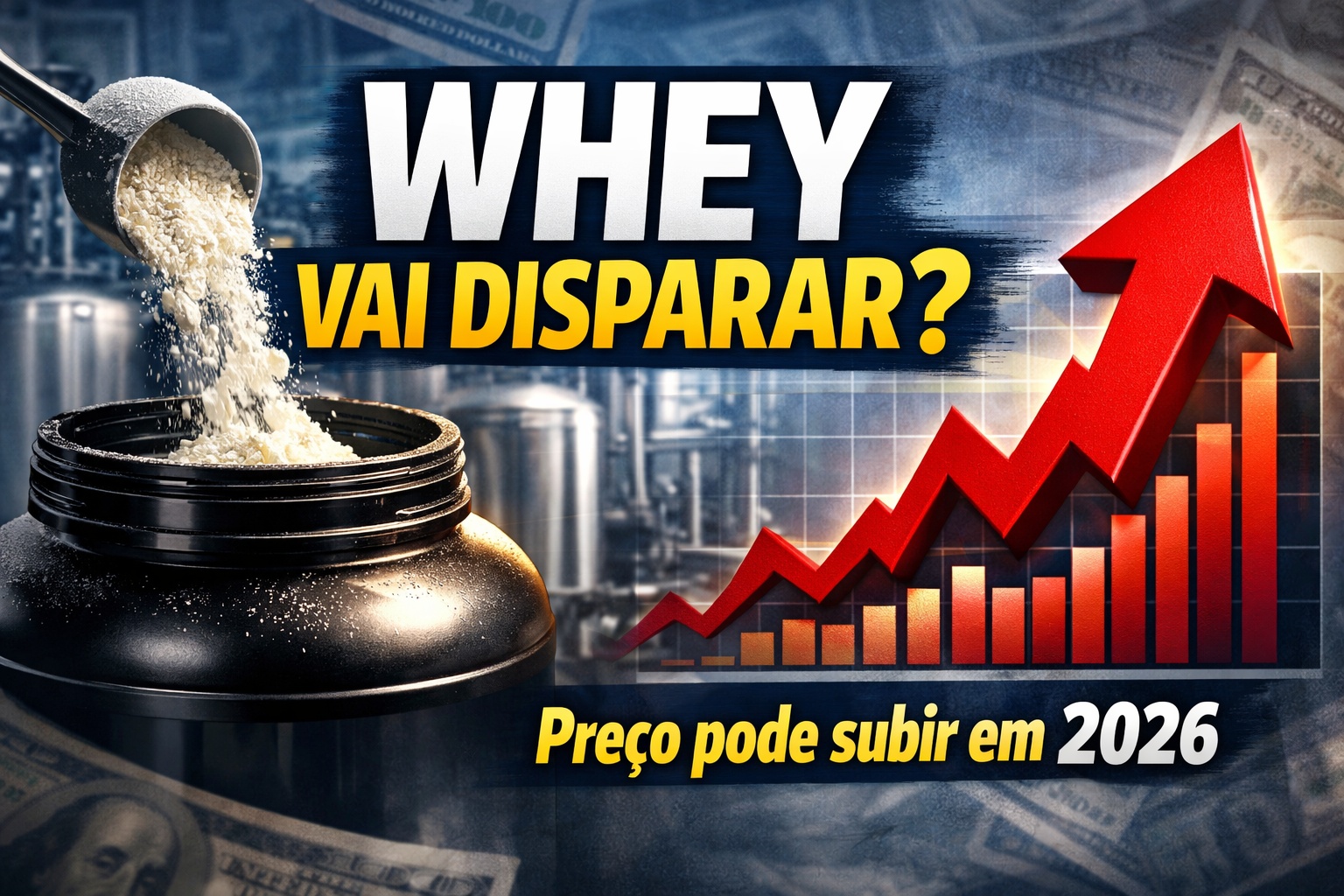
With the Cost of Whey Protein (WPC and WPI) at Record Levels and the Demand for Protein on the Rise, the Price of Whey Protein May Continue to Increase in Brazil and Around the World. This Article Explains the Main Factors, Global Demand, Raw Material Shortage, Dollar, Supply Chain, and Impacts for Consumers in 2026.
The prices of whey protein, especially in the forms of Whey Protein Concentrate (WPC) and Whey Protein Isolate (WPI), are already at high levels in markets such as Europe, Australia, and the United States, reflecting a shortage of supply against growing global demand. The main raw material for whey is whey, a byproduct of cheese production. Although milk and the dairy market in general have reasonable supply, the demand for whey protein has increased both in the functional food industry and in nutritional supplements, causing whey stocks, especially high-protein forms, to tighten.
High Demand Pushes Up Whey Prices
One of the major drivers behind the price pressure is the global demand for high-quality proteins. Trends in healthy eating and sports nutrition are leading people beyond gym-goers to consume whey and other protein-rich supplements, which intensifies the competition for limited whey in the international market.
Another important factor has been the popularity of appetite and weight-reducing medications (such as GLP-1 agonists), which have made people more aware of the need to consume proteins during weight loss.
-
A man went to the supermarket in China with the salary of a single day’s work, and what he put in the cart will make any Brazilian question why they pay so much to eat so little.

-
Louvre sees $102 million worth of jewels disappear in daring heist, and now the crime that shocked Paris will hit the screens

-
The claw machine may seem like a shopping mall game, but a man who started from scratch has 1,000 of them spread across Brazil and earns R$ 800,000 per month while the claw holds the entire business together.
-
INSS Consigned Loans: Bank to Refund Amounts After STJ Nullifies Loans Made by Illiterate Person at ATM and Decides That Password, Chip Card, and Even Use of Money Do Not Validate Contracts




This new consumption profile further increases the demand for whey and puts additional pressure on the available supply, driving prices up.
Whey Shortage and Limited Supply of WPC/WPI
According to global market data, the production of WPC and WPI has been tight, with contracts sold in advance and reduced stocks, making it difficult to respond quickly to growing demand.
This shortage has led producers to raise the prices of raw materials and ingredients, something supplement manufacturers end up passing on to the end consumer.
In some markets, whey producers have significantly increased prices in the last months of 2025, and trends suggest this may persist into 2026.
Factors Influencing the Price of Whey in Brazil
In Brazil, the whey protein price scenario is also influenced by:
- High Dollar Exchange Rate, which raises the cost of imported supplies or supplies competing with global commodities;
- Logistics Costs and Import Tariffs that may impact consumer prices;
- Local Market Growth, with whey leading segments in sports nutrition and functional food.
In 2025, some analyses indicated projected increases of up to 15% in supplement prices in Brazil, linked to rising raw material costs, exchange rates, and strong demand.
A Temporary or Permanent Trend?
The market outlook indicates that, although there are initiatives to expand production capacity in countries like the United States, Europe, and New Zealand to produce more whey and high-protein ingredients, the demand curve remains robust.
Market analysis experts estimate that the whey ingredient segment could grow from approximately USD 8.8 billion in 2025 to over USD 15 billion by 2030, driven by functional diets and health – an indication of sustainable demand that keeps pressure on prices.
The Direct Impact on Consumers
Consumers who buy supplements like whey protein may be affected by:
- Higher Price per Kilogram or Serving in 2026 compared to previous years;
- Brands Passing on Increasing Ingredient Costs;
- Strong Domestic and International Consumption, without a corresponding rapid expansion of supply.
In markets like Australia, brands are already warning about retail price increases for whey protein due to ingredient shortages and costs, outpacing overall inflation growth.
Based on recent market data and global trends, it is highly plausible that whey protein prices will continue to rise or remain high in 2026, especially if factors such as milk shortage, increasing demand, unfavorable exchange rates, and production capacity limits persist.
Although local production and alternative protein sources may mitigate the impact, consumers seeking quality whey protein should prepare to pay more in the short to medium term — a direct reflection of the economic and market forces shaping this segment today.







Be the first to react!