






 Portuguese
  Spanish
  3 min of reading


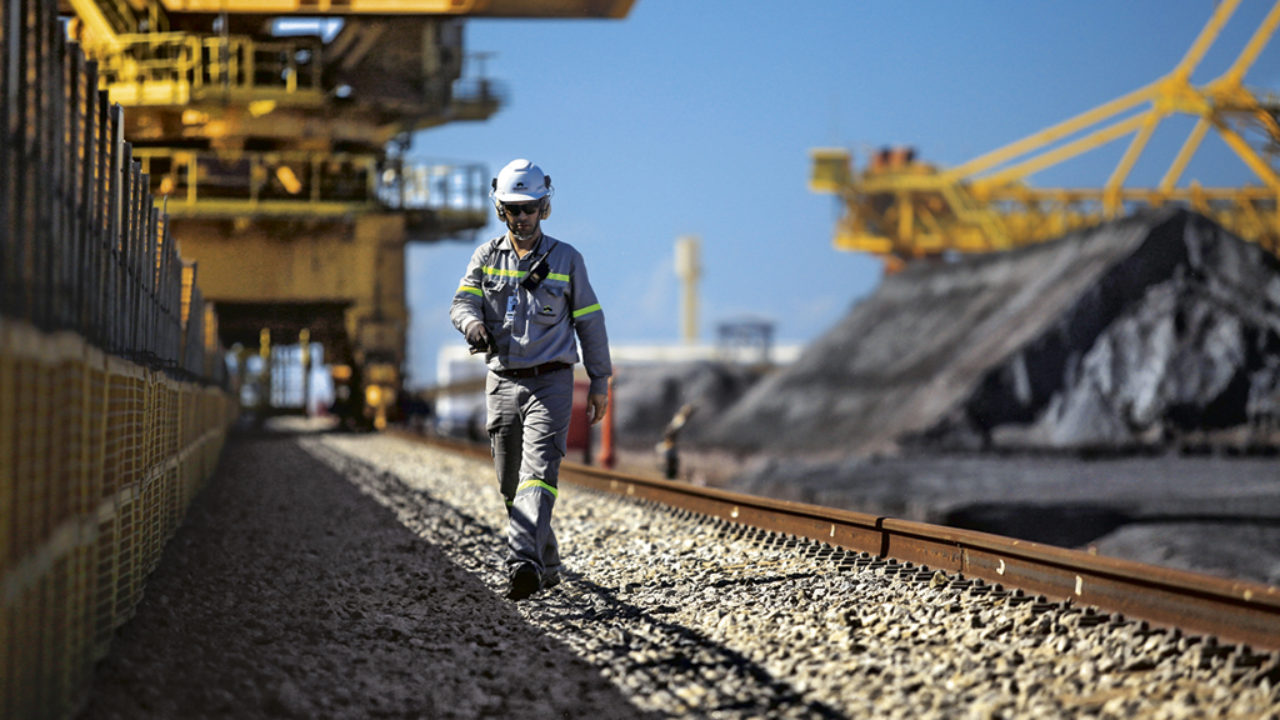
Vale, a World-Class Brazilian Mining Company, Recently Announced That It Has Successfully Tested a New Type of Iron Ore Briquette Capable of Promoting Decarbonization in Steel Production.
The pellet, which has been adapted for the direct reduction route, has the capacity to emit about 80% less CO2 compared to other pellets, representing a significant reduction in the company’s direct and indirect emissions (Scope 1 and 2).
According to information released by Vale, the new iron ore briquette can also be used as a charge for the blast furnace. According to Rogério Nogueira, Vale’s product and business development director, “with the development of this new type of briquette, Vale takes another important step in its contribution to reducing emissions in the steel supply chain through innovation, always in close collaboration with its customers and partners.”
Currently, Vale is working on the construction of two briquette plants at the Tubarão Unit in Vitória, Espírito Santo, with each having a production capacity of 6 million tons per year. The first plant is expected to start operating by the end of the first semester of 2023, and the second by the end of the same year.
-
Without a mansion, without high investment, and without a traditional classroom, a teacher living in a 22 m² house taught students to build a 9 m² studio apartment with the equivalent of R$10,000.

-
Without her own home and pressured by rent, a 25-year-old bought a small 15-meter boat, gradually renovated the interior by herself, transformed the interior with paint, new flooring, a larger bathroom, and started living on the canals, paying much less per month.
-
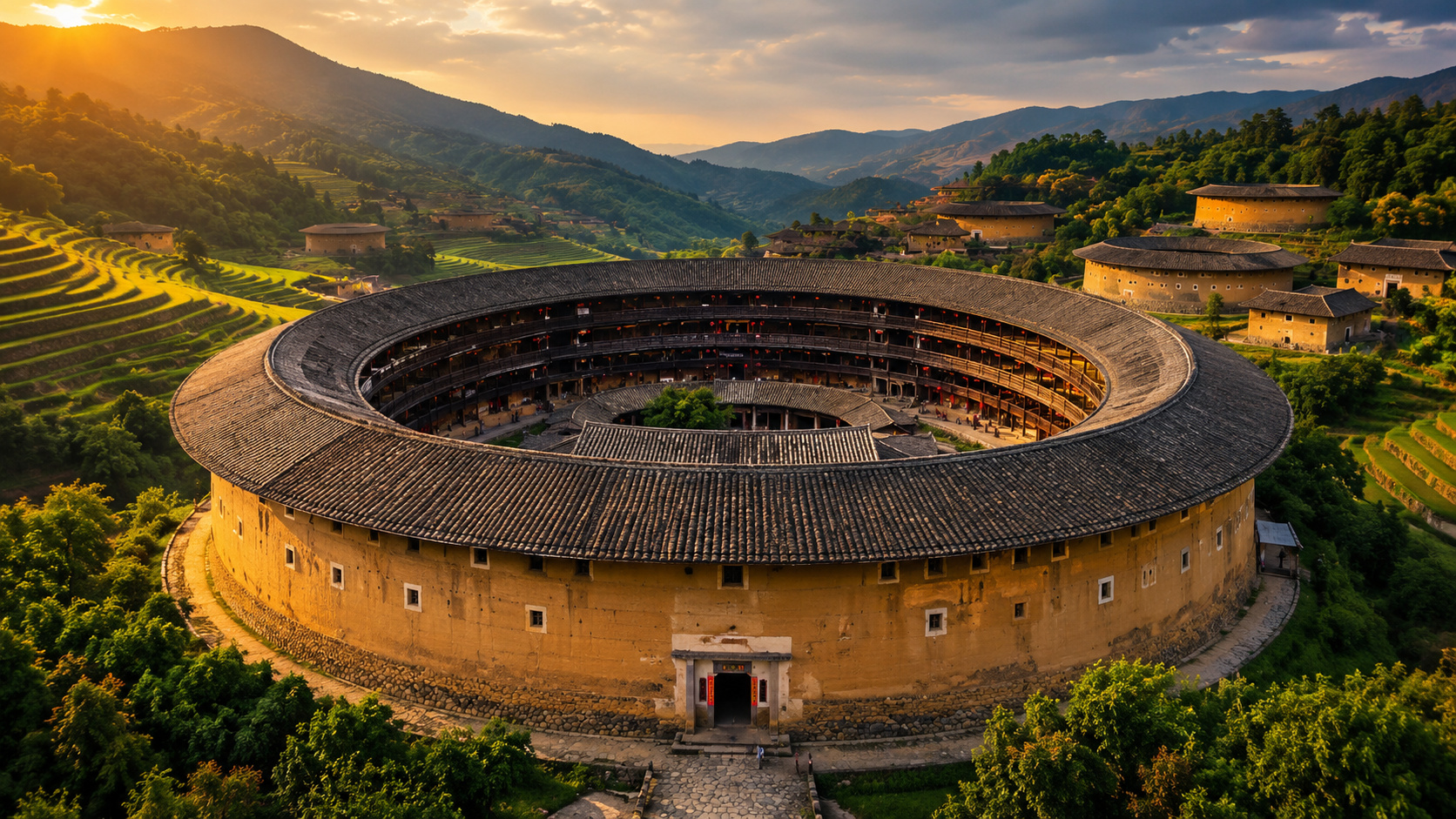
Long before sustainable construction became a trend, China built earthen fortresses with multiple floors, a central courtyard, and the capacity to house up to 800 people living in a community.
-
China could reduce iron ore imports from 80% to 50% of consumption by 2030, while its share in global steel production falls from 52% to 46%, in a shift that could reshape the global market, says CMRG.



Vale Has Already Signed Contracts with Over 30 Clients to Study the Implementation of Decarbonization Solutions, Including the Construction of Briquette Plants at Some Clients’ Facilities.
The use of iron ore briquettes is a solution for reducing CO2 emissions, and represents an important step towards decarbonizing steel and iron production. Vale has been working hard to find solutions that reduce its environmental impacts and contribute to the sustainability of the sector.
Thus, the company believes that innovation and close collaboration with its clients and development partners are essential for reducing gas emissions and providing clean energy, especially in the steel industry.
Headquartered in Rio de Janeiro, Vale is one of the largest mining companies in the world, and is constantly seeking sustainable solutions to reduce its environmental impacts and mitigate its effects. The company plans to achieve carbon neutrality by 2050, contributing to the fight against climate change and the preservation of the planet.
Investments and Research for Creating Alternatives for the Steel Industry Also Have Major Impacts on the Global Market
Since steel production is one of the highest emitters of greenhouse gases. Vale intends to continue contributing to the global market with solutions that combine innovation, technology, and sustainability.
In this way, Vale continues to invest in mitigation measures such as building briquette plants and signing memorandums of understanding to study the implementation of decarbonization solutions, preserving the companies operating in the steel sector and contributing to environmental protection.
The company demonstrates its commitment to developing more sustainable alternatives and reducing the impacts of its activities, always prioritizing the preservation of the environment and the sustainability of the sector.






Be the first to react!