Portuguese
  Spanish


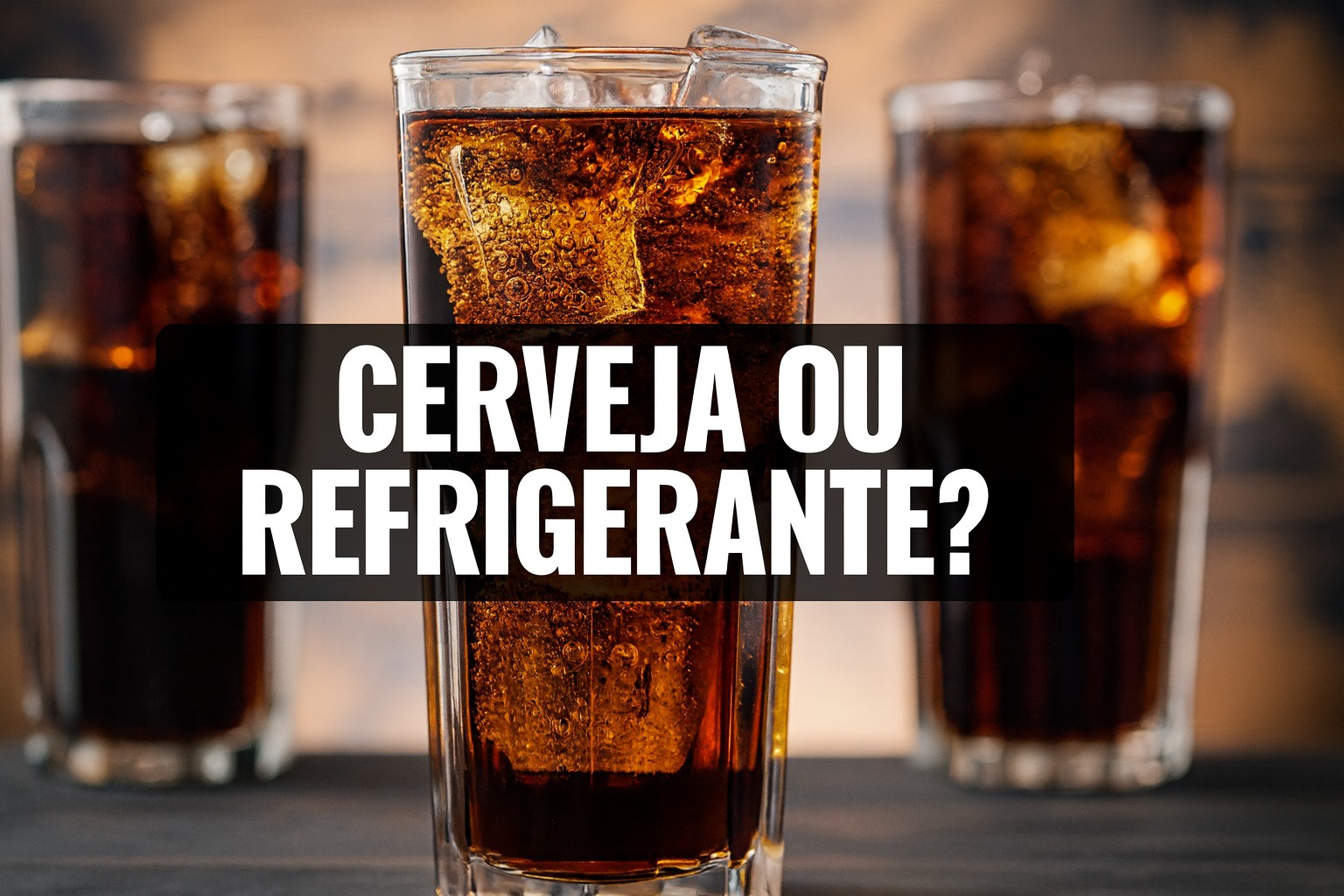


Frequent Consumption of Beer and Sodas Can Bring Serious Complications, but Simple Habit Changes Help Preserve Health and Quality of Life
In recent years, the growing interest in healthier eating has led consumers to question the effects of popular beverages like beer and sodas. These beverages, widely consumed around the world, are associated with social and relaxed lifestyles.
However, understanding their potential risks is crucial to promoting a balance between pleasure and well-being.
Beer, famous at gatherings and celebrations, contains alcohol that can affect the central nervous system and, when consumed in excess, can generate significant health problems.
-
3D-Printed Micro Homes Offer Innovative Solution to California’s Housing Crisis: Village with 40 Permanent and 14 Temporary Units Built in 10 Months Provides Facilities and Social Services to Help Residents Transition from Camps

-
Flushing Toilet Paper in Brazil Could Gradually Damage Home Plumbing, Experts Warn

-
Meet the Fascinating Cassowary: The Bird That Resembles a Dinosaur, Runs Like an Athlete, Crosses Rivers with Ease, and Plays a Crucial Role in Tropical Forests
-
Brazil Deploys Water-Landing Ambulance Planes in the Amazon, Cutting Travel Time from 3 Hours to 12 Minutes to Reach Isolated Communities




On the other hand, sodas, often seen as harmless, carry high levels of added sugars and can result in metabolic disorders when consumed frequently.
The important thing is that both should be understood in their compositions and consumed in moderation to avoid future complications.
What Is the Impact of Sodas on Health?
Sodas are widely consumed by different ages and cultures. The high sugar content is one of the main concerns related to consumption.
In addition to sugars, they contain preservatives and artificial sweeteners, which can disrupt metabolism and alter important processes in the human body.
Studies show that constant consumption is associated with an increase in obesity and type 2 diabetes. Furthermore, acidity can compromise dental enamel, favoring the onset of cavities.
Therefore, reducing the intake of these beverages and opting for alternatives like flavored water or natural juices can represent a real benefit for health.
The Risks Associated with Beer Consumption
Beer is enjoyed worldwide, often associated with relaxation moments. Even with a lower alcohol content compared to spirits, excessive consumption can lead to severe consequences.
Alcohol can cause dependence and also increase the risks of liver diseases, such as cirrhosis, in addition to heart problems.
It is important to note that moderate intake may be safe for many people. However, the habit of consuming in large quantities and regularly can pose serious challenges to physical and mental health.
Therefore, reducing the volume consumed and alternating with non-alcoholic beverages are measures that help minimize risks.
Healthy Alternatives and Habit Changes
Seeking healthier alternatives in daily life is an essential step to improve quality of life. Replacing sodas and beers with potable water or sugar-free flavored waters helps reduce unnecessary calories and maintain a balanced diet.
Additionally, incorporating variety in hydration with teas, infusions, and natural juices expands access to beneficial vitamins and antioxidants.
Small habit changes can lead to significant results. This process is simple and can be gradually incorporated without giving up moments of pleasure.
Because when it comes to health, conscious adjustments make a difference in the long run.
Why Making Conscious Choices Can Transform Health?
Adopting a more conscious approach in choosing beverages is essential to building a healthy life. Balanced consumption of beers and sodas, combined with an adequate diet, prevents the accumulation of empty calories and protects against chronic diseases.
Moreover, smart substitutions can result in physical, mental, and emotional benefits.
Thus, this balance may be the key to a healthier and more lasting lifestyle that can ensure overall well-being and prevent complications related to excessive consumption of low-nutritional beverages.
With information from Correio Braziliense.