Portuguese
  Spanish


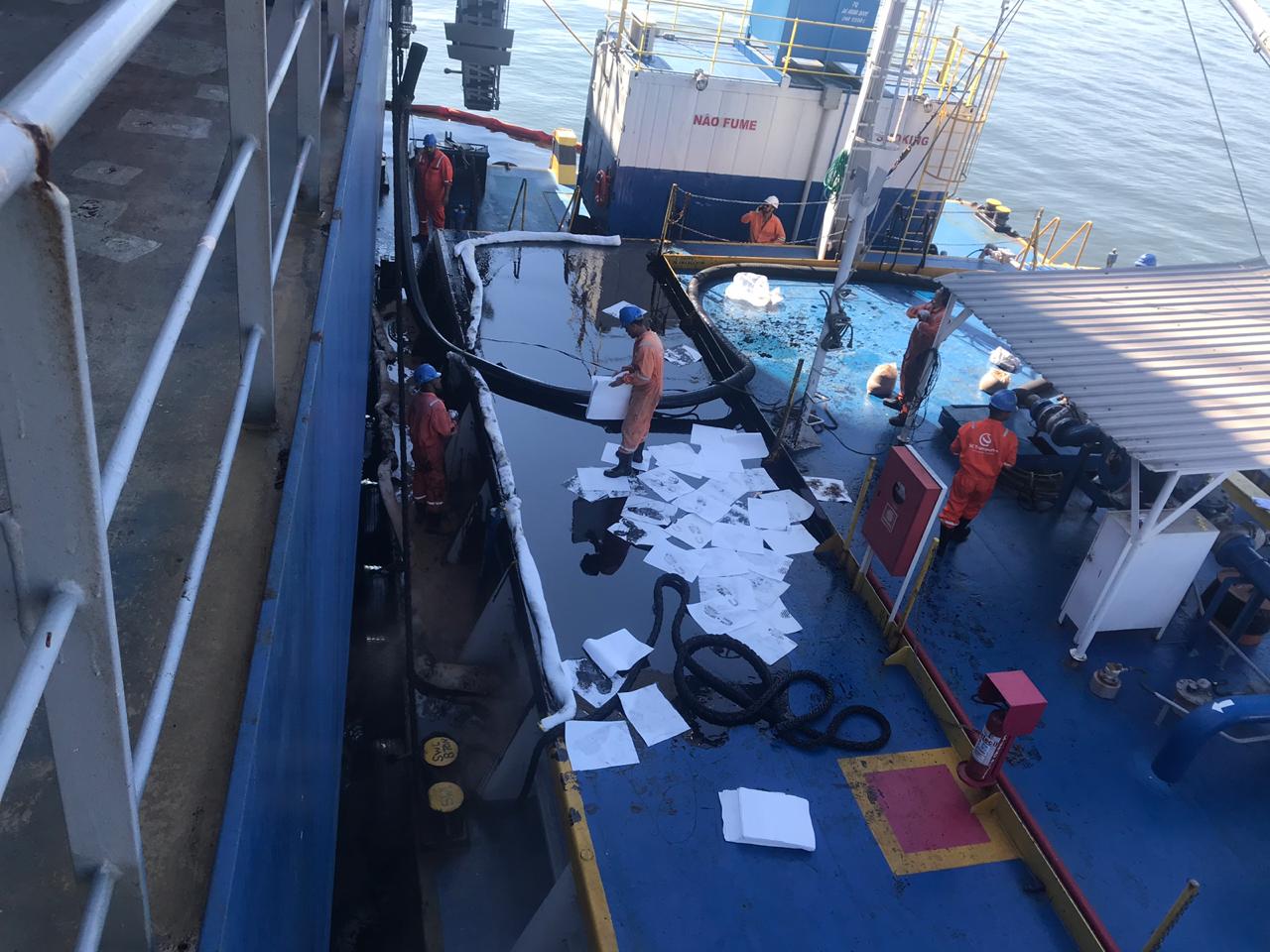

On Tuesday (24), There Was A Fuel Leak from A Ship at The Transpetro Terminal on The Right Bank at The Port of Santos.
The teams attempted to contain the MF fuel leak, intended for fueling large ships, from the Transpetro terminal at the Port of Santos. According to the SPA – Santos Port Authority, which is responsible for the Santos port dock, there were no injuries, and several agencies mobilized to contain the fuel and clean the area.
Read Also
Start of The Leak Occurred During Transfer
The fuel leak began during a transfer of fuel from the Brazilian-flagged vessel Papoula, anchored at the Transpetro terminal. The causes of the accident are still under investigation. Shortly after the fuel leak was identified, the area was quickly isolated, cargo operations were suspended, and cleanup efforts began by the teams.
Teams such as IBAMA, CETESB, and CPSP closely monitored the fuel leak situation at the site.
-
They exchanged the idea of a large house for a 35 m² warehouse, spent US$ 12,000 on the structure, and created a tiny house in Colorado with space to live and work.

-
While modern cities rely on pumps and electricity, in Iran, ancient tunnels carried water through the desert using only slope and gravity.
-
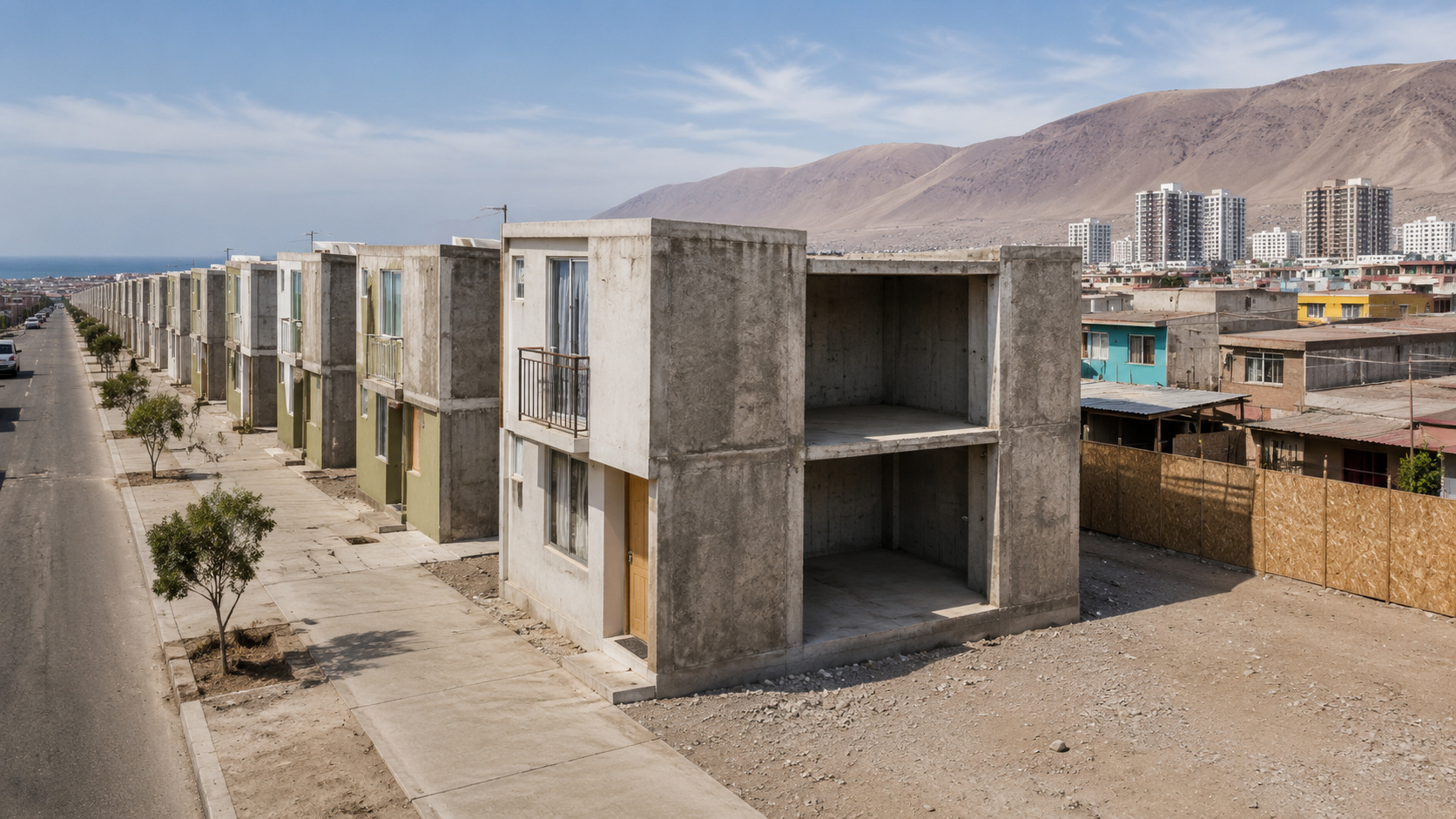
Instead of sending families far from the city, a project in Chile intentionally created incomplete houses on expensive urban land and left technical space for each to grow.
-
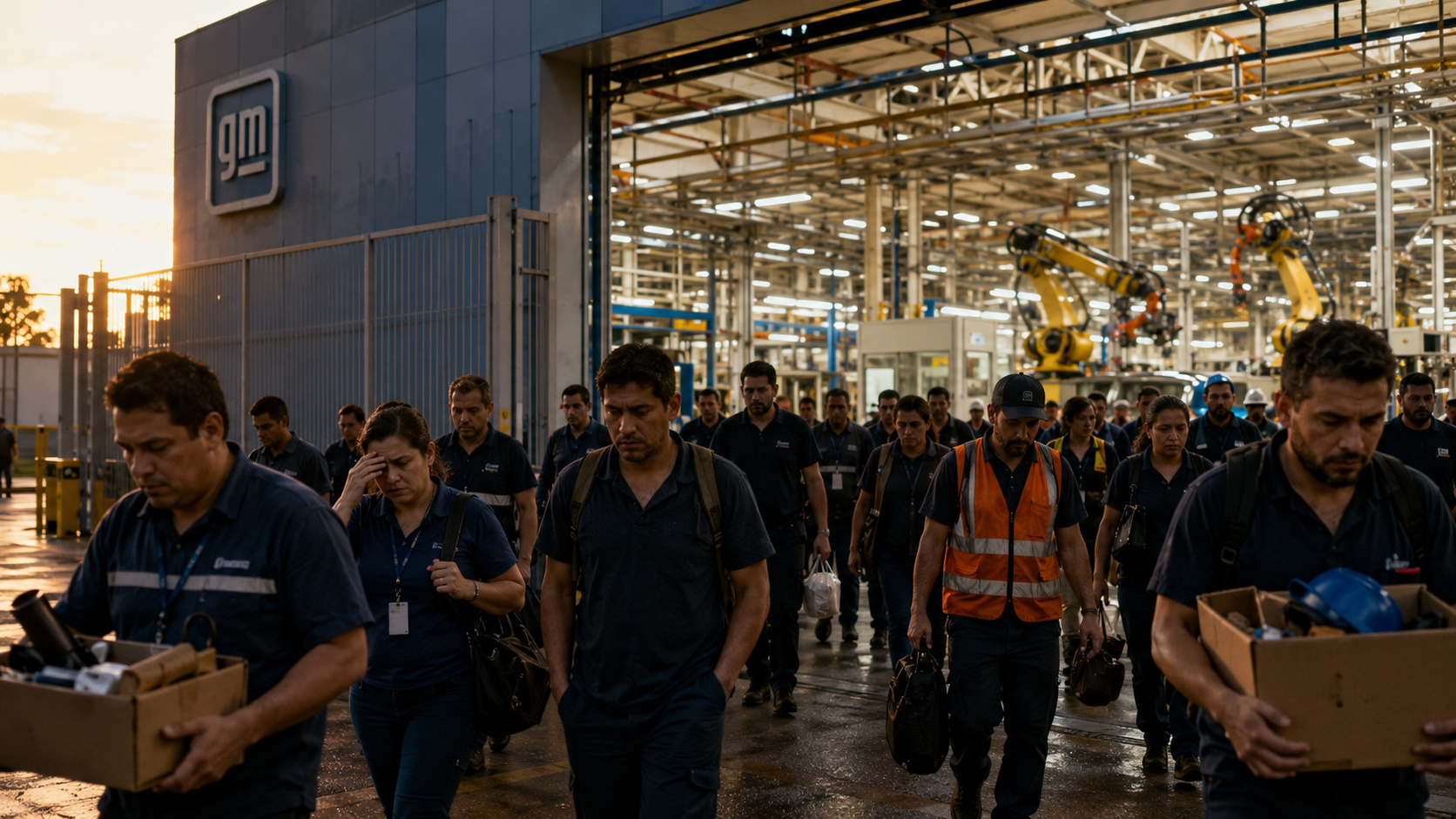
General Motors Replaces Over a Thousand Workers with 50 Cobots at Electric Vehicle Plant, UAW Union Criticizes Move Amid Industry’s Automation Push

Transpetro Explains About The Fuel Contained on The Deck of The Vessel
According to Transpetro, the fuel stored on the deck of the vessel and the smaller portion that reached the sea was completely neutralized by the prevention barriers located around the anchored vessel.
CETESB Addresses The Fuel Leak
According to CETESB, immediately after the accident, the terminal’s CRE was activated; so far, no oil residues have been found outside the location where the fuel leak occurred.
According to the Harbor Master, all containment and collection measures for the fuel have been taken by the terminal and company to prevent further harm to the environment. A Naval Inspection team went to the site to verify that the containment procedures are indeed being carried out correctly.