






 Portuguese
  Spanish
 5 min of reading
  0 comments


Petrobras’ Billion-Dollar Package in Sergipe Combines Deep Water Exploration, Fertilizer Revival, and Removal of Old Structures, with Expected Effects on Jobs, Natural Gas, and Oil Production in the Northeast Over the Next Decade.
Focusing on oil, natural gas, and fertilizers, Petrobras announced over R$ 70 billion in investments in Sergipe, a package that includes deep waters, industrial reactivation, and decommissioning of old structures on the state’s coast.
The largest portion of the resources will be applied to the Sergipe Deep Waters project, known as SEAP, identified by the company as a new exploration front in the Sergipe-Alagoas Basin and a central piece of offshore production expansion.
In the same package, the state-owned company included the revival of the Sergipe Nitrogen Fertilizer Plant in Laranjeiras, as well as actions to close old structures in shallow waters, a process linked to the cycle of mature fields.
-
FIRJAN’s mega plan of R$ 526.3 billion for Rio de Janeiro aims to revive Brazil’s largest industry, with two-thirds of the investments going to oil and gas.

-
China signals an increase in beef imports, Brazil has already consumed 70% of the 1.106 million ton quota and seeks to renegotiate the tariff that jumps from 12% to 55%, while demand from the US also skyrockets.
-
Food inflation rose 302% in 20 years in Brazil, but the supermarket changed: purchasing power yielded 87% more mortadella and 31% less fruit, and ultra-processed foods took over the cart.
-
Petrobras sells the first batch of 3,800 m³ of aviation fuel made with certified soy, capable of reducing emissions by up to 70%, in an unprecedented project that anticipates the aviation sector’s requirements expected for 2027.
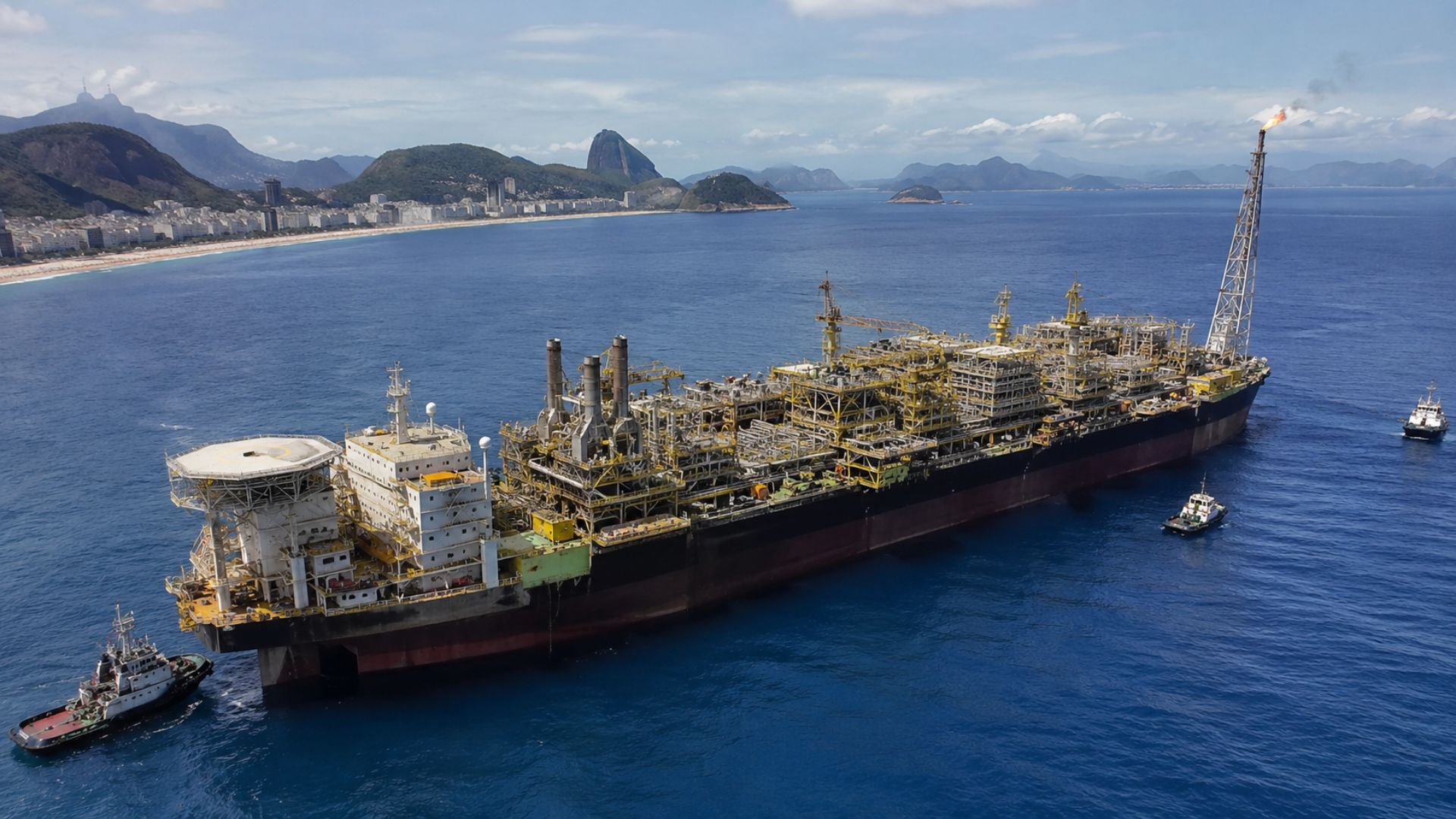


Contracted with SBM Offshore, the P-81 and P-87 platforms will have a combined installed capacity to produce up to 240,000 barrels of oil per day and process 22 million cubic meters of natural gas daily.
Sergipe Deep Waters Concentrates R$ 60 Billion
Responsible for the largest share of the package, Sergipe Deep Waters will receive about R$ 60 billion to implement production systems in offshore fields and structure the flow of oil and gas to the Sergipe coast.
In April 2026, Petrobras approved the final investment decision for the SEAP I module, while SEAP II had already received approval in December 2025, consolidating the project’s progress.
According to the schedule released by the company, oil production is expected to start in 2030, while natural gas export should begin in 2031, after the completion of the flow infrastructure.
In addition to the two platforms, the project includes the construction and interconnection of 32 subsea wells, an essential step to enable deep water production and connect the reservoirs to floating systems.
The implementation of a pipeline approximately 134 kilometers long is also planned, a structure that will allow the gas produced offshore to be brought to Sergipe and integrated into the onshore infrastructure.
Platforms P-81 and P-87 Advance with SBM Offshore
The contracts signed with SBM Offshore cover the P-81 and P-87 platforms, FPSO-type units used for production, storage, and transfer of oil in offshore areas far from the coast.
Under the agreement, SBM will be responsible for the design, construction, assembly, initial operation, and maintenance of the units, while Petrobras will remain the owner of the assets after delivery and entry into operation.
The operation and maintenance of the platforms by SBM Offshore are planned for six and a half years, the initial period in which the supplier will act directly in the operational phase of the systems intended for SEAP.
During the announcement, Petrobras president Magda Chambriard stated that the project should expand Sergipe’s role in regional oil and natural gas production in the coming years.
“SEAP transforms Sergipe into the largest producing state in the Northeast. We will bring the gas ashore here,” said the executive.
In Chambriard’s assessment, the expansion of natural gas supply depends on investments and increased production, not just changes in commercialization or transfer of control between market agents.
According to the president of the state company, lower prices for gas require productive effort, expansion of supply, and application of the supply and demand logic, with investments capable of sustaining production on a scale.
Investments in Sergipe Expected to Generate 25,000 Jobs
The implementation of Sergipe Deep Waters, combined with the construction of the gas pipeline, is expected to generate around 25,000 direct and indirect jobs in different phases of the project on the Sergipe coast.
This estimate includes jobs related to construction, assembly, specialized services, logistics, maritime activities, and onshore support, areas necessary to take the project from planning to operation.
With the advancement of SEAP, Petrobras estimates that the Northeast’s share in the national natural gas supply will almost double, increasing from the current 16% to about 31% by 2035.
The change projected by the company is directly related to the entry of production in deep waters, which tends to increase the available volume of natural gas in the region and strengthen integration with the continent.
Used by industry, energy generation, and the fertilizer chain, natural gas plays a strategic role in the announced package, especially due to the connection between offshore production and the industrial revival in Sergipe.
Fafen-SE Resumes Fertilizer Production
Located in Laranjeiras, the Sergipe Nitrogen Fertilizer Plant resumed operations in December 2025, as part of Petrobras’ strategy to restore its presence in national fertilizer production.
The unit produces ammonia and urea, in pearled and granulated versions, inputs used by agribusiness and relevant for a country still dependent on imports in an important part of the agricultural chain.
According to Petrobras, the factory has the capacity to produce 1,800 tons of urea daily, a volume equivalent to approximately 7% of the national demand for the product.
The reopening of Fafen-SE already generates 530 direct jobs and about 1,500 indirect positions, considering the reactivation of the plant, industrial operation, and services associated with the unit’s functioning.
By putting the factory back into operation, Petrobras connects the investment package in Sergipe to an agenda that involves gas production, supply of inputs, and reduction of external dependency on nitrogen fertilizers.
Decommissioning of platforms in shallow waters
Another front of the package involves the decommissioning of platforms in shallow waters, a process that foresees the gradual removal of old structures and the definitive closure of wells that have ceased to operate.
For this stage, Petrobras estimates an investment of R$ 12.5 billion by 2035, an amount intended to meet technical and regulatory requirements associated with the end of production activities in mature areas.
The program includes the plugging of 169 wells and the removal of offshore structures, necessary actions to safely end old operations and adapt the state-owned company’s portfolio to new projects.
Starting in 2025, the decommissioning occurs in parallel with the advancement of deep waters, composing an operational transition where old fields are closed while new production fronts gain scale.
With oil, gas, fertilizers, and removal of structures gathered in the same package, Sergipe takes on a more relevant position in Petrobras’ planning to expand production, energy infrastructure, and industrial activity in the Northeast.




Be the first to react!