Portuguese
  Spanish




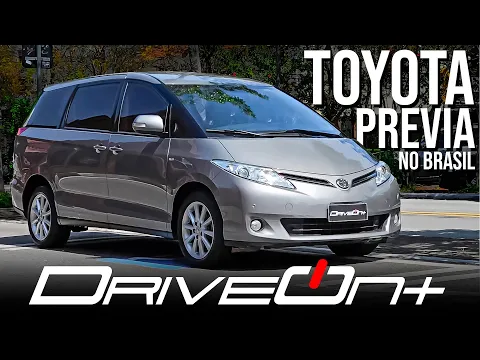
The Toyota Previa Was Produced Until 2019 with a 2.4 Engine, Luxury Interior and Premium Minivan Comfort, but Only 11 Units Are Registered in Brazil, All for Corporate and Diplomatic Use
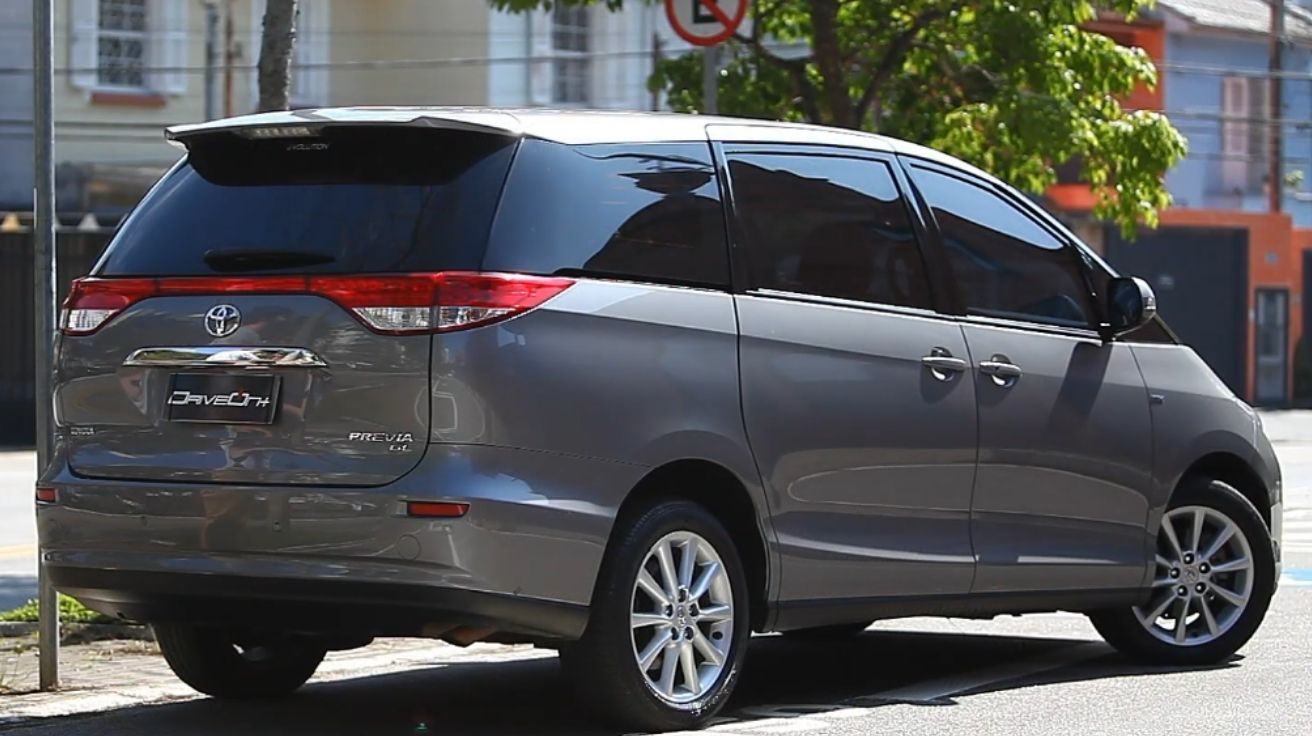
Little known to the public and practically invisible on the streets of Brazil, the Toyota Previa is one of the most exclusive vehicles of the Japanese brand in the country. Equipped with a 2.4 Gasoline Engine and designed to offer above-average comfort, the model was manufactured until 2019, but the 3rd generation version was never officially sold here.
The only 11 registered units in the country were brought for internal use by the manufacturer or diplomatic service, and stand out for their imposing appearance and an interior comparable to that of an executive bus.
With three rows of seats and an internal configuration of 2+2+3, the minivan has generous interior space, wide seats, electric adjustment for the driver, and uncommon details like three glove compartments, an internal mirror for monitoring the children, and dozens of storage spaces throughout the cabin. The unit tested by the specialized YouTube channel DriveOn+, factory armored, was used by Toyota executives in Brazil and is still in excellent condition.
-
Iconic Orange Double-Decker Bus, a Dutch Fan Favorite for Over 20 Years, Arrives in Texas for the World Cup After Touring Brazil, England, Qatar, and More

-
$100 Million Hypercar Collection, Including Ferrari LaFerrari and McLaren Speedtail, Found Abandoned at Los Angeles Airport
-
Hyundai ix35 2019: A Forgotten SUV with 2.0 Engine and 650 km Range Costs Less Than a New Kwid in Brazil
-
Harley-Davidson Enters Urban Electric Era with LiveWire S4 Honcho Minibikes: Lightweight, Affordable, 85 km Range, Priced Around $5,000



Japanese Minivan with Robust Engine and Refined Structure
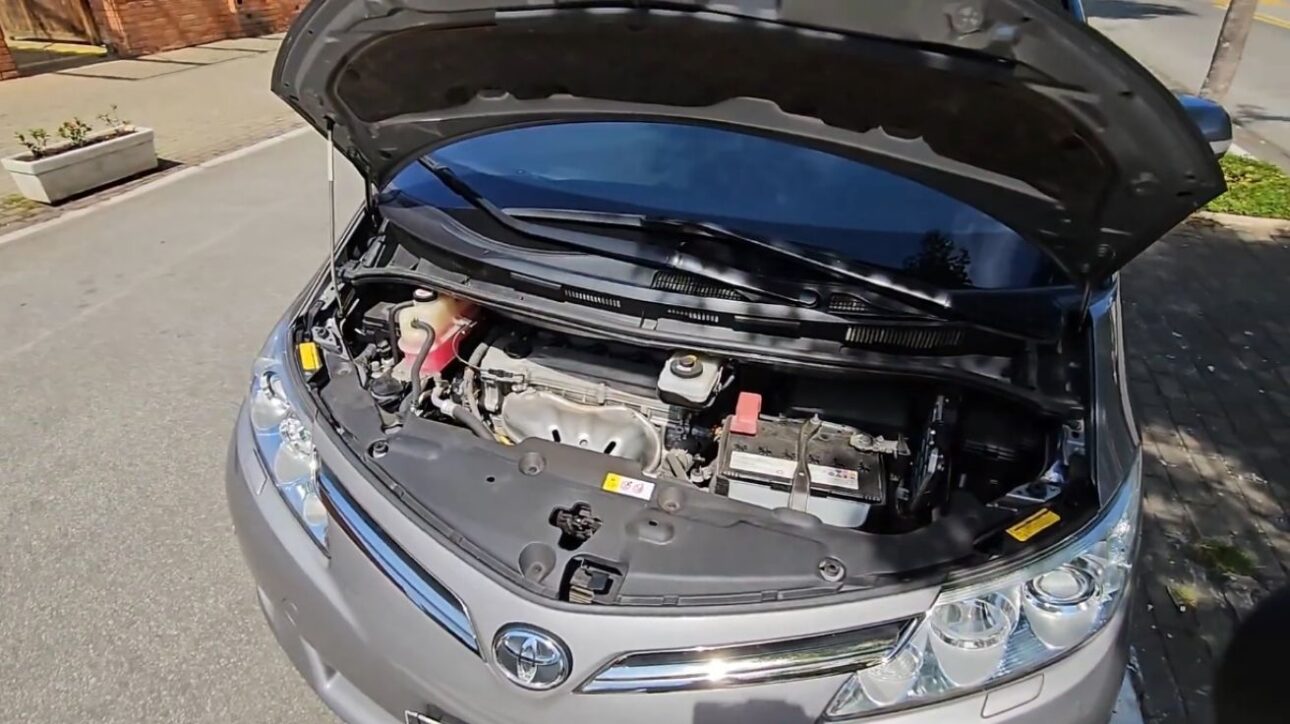
Under the hood, the Toyota Previa features a 2.4 Four-Cylinder Engine with 168 hp and 22.8 kgfm of torque, always paired with a six-speed automatic transmission. Although it was also sold with hybrid and even V6 versions in other countries, in Brazil all units come with the same mechanical setup. Despite weighing nearly two tons, the performance is satisfactory for the segment, and the car‘s behavior in the city conveys lightness.
The monocoque body ensures superior structural rigidity compared to vehicles with a chassis, and the suspension is tuned to emphasize comfort. Even armored, the model offers efficient acoustic insulation and a smooth ride. The 17-inch wheels fitted with low-noise tires reinforce this refinement proposal, even though the long wheelbase of 2.95 m limits performance in dips and ramps.
Interior Surprises with Functional Solutions and Ample Space
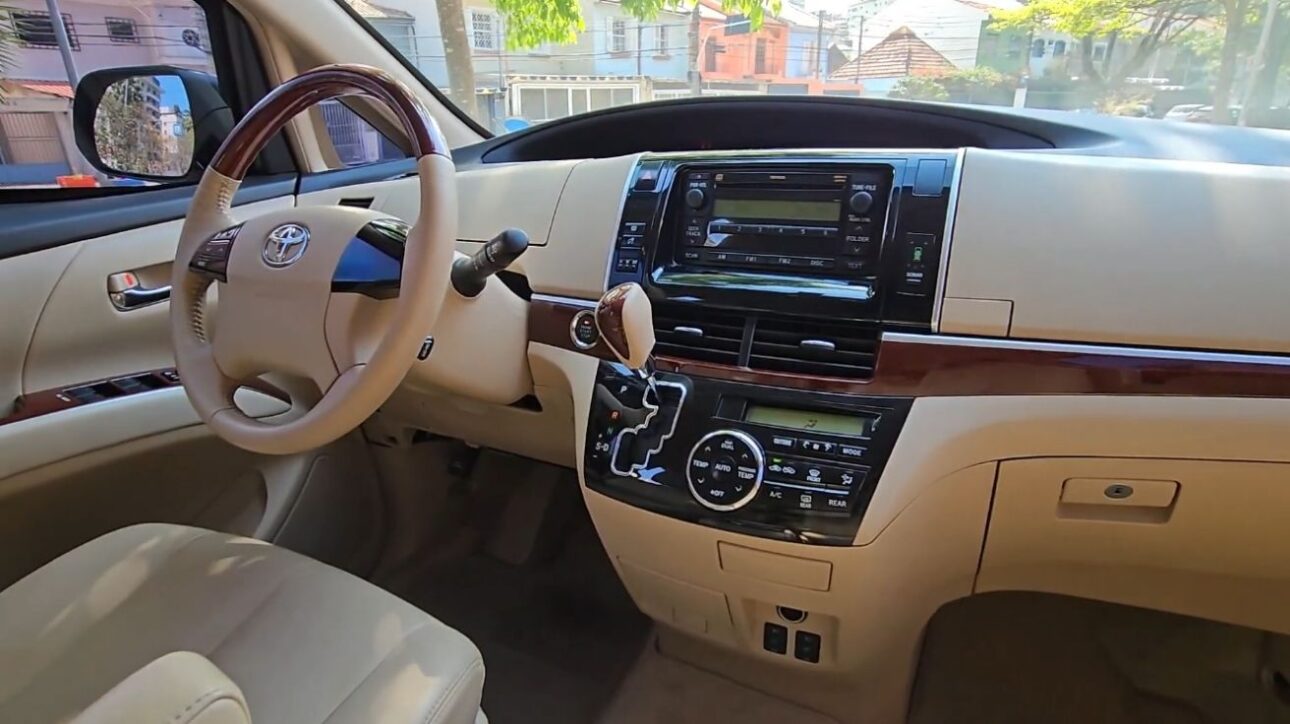
Inside, the Toyota Previa impresses with its retro appearance characteristic of the 2000s, but with superior finishing to many current cars. The central panel houses simple controls, highlighting the gear selector in a high position and independent air conditioning controls for the rear seats. The minivan offers various functional compartments, including three glove compartments and an ashtray built into the console.
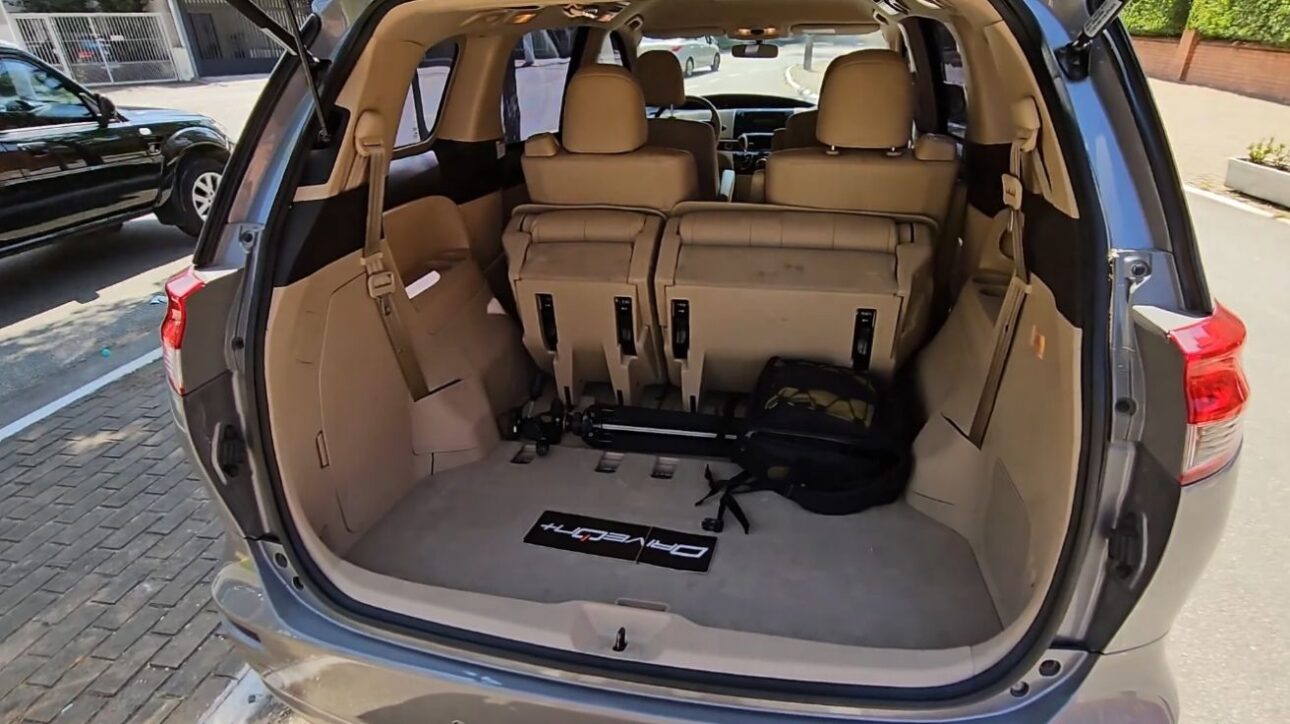
The internal space of the second row is comparable to that of executive models, with sliding seats, individual armrests, and the possibility to recline the backrest widely. The third row, though narrower, accommodates two adults with reasonable comfort and offers cup holders and additional compartments. The trunk is electric and modular, with rear seats that fold in two stages, creating different loading configurations.
Mechanics and Experts Consider the Previa a Technical Curiosity
The Toyota Previa also draws attention in technical circles. Because it is rare in Brazil, many mechanics see it as a “mystery on wheels”, especially due to the combination of a centrally front-mounted engine, underpowered electric steering, and unusual controls. The accelerator pedal, for example, is overly sensitive, while the brake has a spongy response. The steering, in turn, requires larger turns for simple lane changes and lacks automatic centering return.
Still, the model delivers what it promises: comfort, silence, and smoothness, even in intense urban use. With well-tuned suspension and the brand’s typical robustness, the Previa stands out compared to minivans sold in the country around the same time, such as Spin, Doblò, or models adapted for fleets.
History and Exclusivity: The Toyota That Never Went to the Brazilian Dealership
The history of the Toyota Previa in Brazil is as unusual as its proposal. Although it was produced between 1990 and 2019 in three generations, only 11 units of the third generation were registered here, all through direct imports and intended for internal use by Toyota itself or for diplomatic services. Among them, three arrived in Brazil in 2018 already armored, all destined for the brand’s top executives.
The model is known internationally as Estima (Japan) or Tarago (Australia), and even in major markets, it was aimed at specific audiences, large families, executives, or premium fleets. The absence of official sales in Brazil can be explained by cost barriers, taxation, and a reduced audience for large minivans.
The information was gathered based on a video from the Brazilian channel DriveOn+, which evaluated one of the rare units of the Previa in the country.