Portuguese
  Spanish


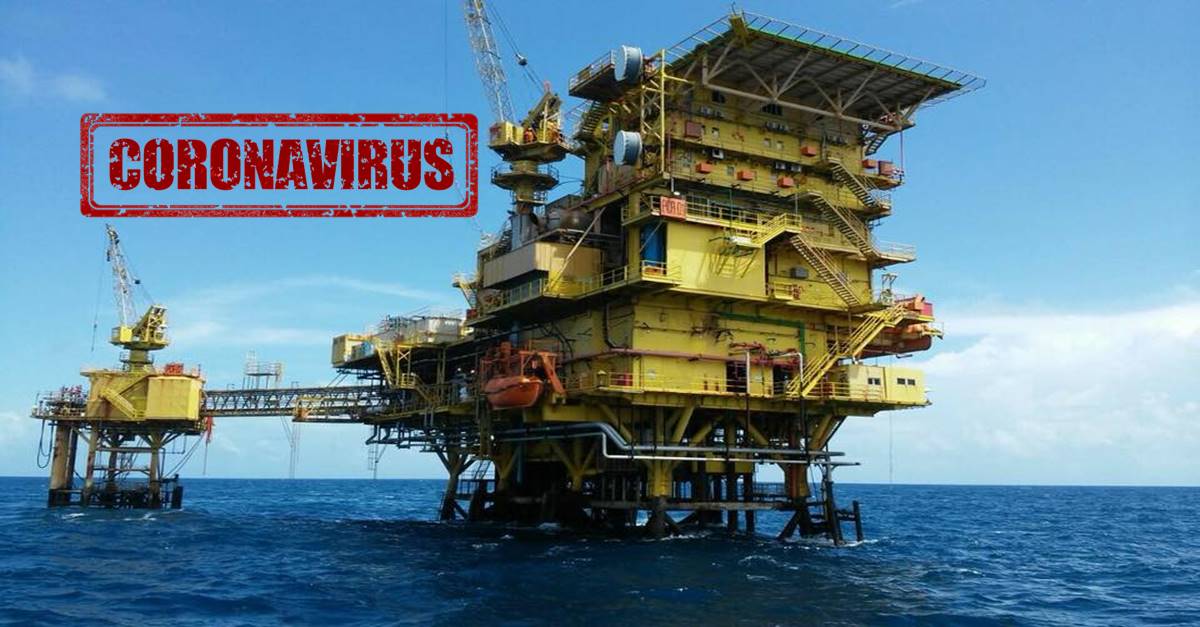

There Are Several Platforms Under These Conditions, and Many Oil Workers Are Concerned About the Ghost of Unemployment That Haunted the Oil Market During the First Wave of Coronavirus in 2020 and 2021
Unfortunately, the news is not very good for workers in the offshore oil market at the beginning of 2022. Various outbreaks of coronavirus are being reported and recorded in oil units in the Campos and Santos Basins, in the exploration provinces of Rio de Janeiro.
Among the various reports reaching the CPG Portal, there are videos and audios of oil workers being forced to leave their cabins and sleep in the outer part of the unit after testing positive for covid-19. The information that reached our team is that this action aimed to sanitize the cabins. Soon after the procedures, they returned to their quarters. Check out the video below:
Video of the Moment When Oil Workers Are Forced to Isolate Themselves Outside of an Offshore Unit in the Whale Area While Their Cabins Were Sanitized


Unemployment and Layoffs Worry Oil Workers
As is already known to most of the population, the labor reform of 2017 allowed companies to hire under intermittent contracts. Many third-party companies providing services to large oil companies, especially Petrobras, opted for this hiring regime because it allows for paying for labor only when there is an active contract, without the need to keep idle employees when there are no operations, such as “maintenance shutdowns,” for example.
-
With a record production of nearly 3 million barrels per day, Petrobras resumes importing diesel in July, highlighting the bottleneck in Brazilian refining.

-
Qantas and Airbus Invest in Company Aiming to Convert Unsorted Household Trash into Jet Fuel

-
Brazil’s ANP Opens 86 New Oil Blocks in the Equatorial Margin, Expanding the Amazon River Mouth Frontier

-
OPEC+ Boosts Oil Supply by 188,000 Barrels per Day in July 2026, Leading to Price Drop from $112 to $89 per Barrel in Under Two Months

What was already displeasing to many workers in the offshore oil sector under normal circumstances, the employment instability due to a new outbreak of covid-19 is even more concerning.
During the lockdown of 2020 and 2021, many units had their operations halted and/or reduced staffing, functioning only essential services. The oil activities in Rio de Janeiro stopped producing and hiring labor, precisely during a period of robust recovery of Brazil’s production chain.
Emotional Health and Exhaustive Quarantines
Although many enjoy offshore life, especially as it provides for their families, the emotional well-being of these oil workers has been greatly affected by the excessive time at sea, away from relatives and friends.
The return of excessive hotel quarantines and increased work schedules are also important factors. During the peak of social distancing, the essential oil and gas activities that remained caused companies to take drastic measures, such as placing workers in quarantine for up to 10 days in hotels and staying for up to 28 days in units, where the norm would be a schedule of 15 days of work followed by 15 days off.