Portuguese
  Spanish


Piracicaba, in the interior of São Paulo, stands out for its tradition and impressive volume of pamonha production, as well as preparing to export the typical product for the first time.
Piracicaba, in the state of São Paulo, has established itself as a national reference in pamonha production, a traditional corn-based food.
Known throughout the country as “land of pamonhas”, the city maintains a historical relationship with the product, which drives the local economy and projects its name beyond the state borders.
In the 1960s, Piracicaba was already distinguished by its significant daily production, surpassing the mark of 5,000 pamonhas produced and distributed to different cities in the state of São Paulo.
-
At 17, she hand-painted her first watercolor design for school uniforms; her brand grew without investors, sold 135,000 pieces, and aims for $3 million in revenue by 2026.

-
Shell Discovers Intact Early 19th-Century Wooden Shipwreck in the Gulf of Mexico at Over 1,300 Meters Deep
-
Brazilian Entrepreneur Turns Door-to-Door Jewelry Sales into a Family Business Empire with Over 70 Stores

-
$75 Million Bridge in Brazil Opens to Connect Cities, Create Jobs, and Cut Travel Time from 30 to 2 Minutes; Spanning 1.24 km, It’s Among the Country’s Largest and Ends Decades of Ferry Queues.




As time went by, local notoriety expanded, and the typical product of the region gained space at fairs, markets, and gastronomic events throughout Brazil.
The national recognition was enhanced by creative sales strategies.
Street vendors crossed streets and neighborhoods in adapted cars, equipped with loudspeakers, announcing the product with the emblematic phrase: “Pamonhas, pamonhas from Piracicaba is the pure cream of corn, come taste it, ma’am…”.
This unusual method of promotion not only attracted consumers but also strengthened the Piracicaban identity as a producer of the delicacy.
Initially, production was artisanal and family-based, relying on recipes passed down through generations.
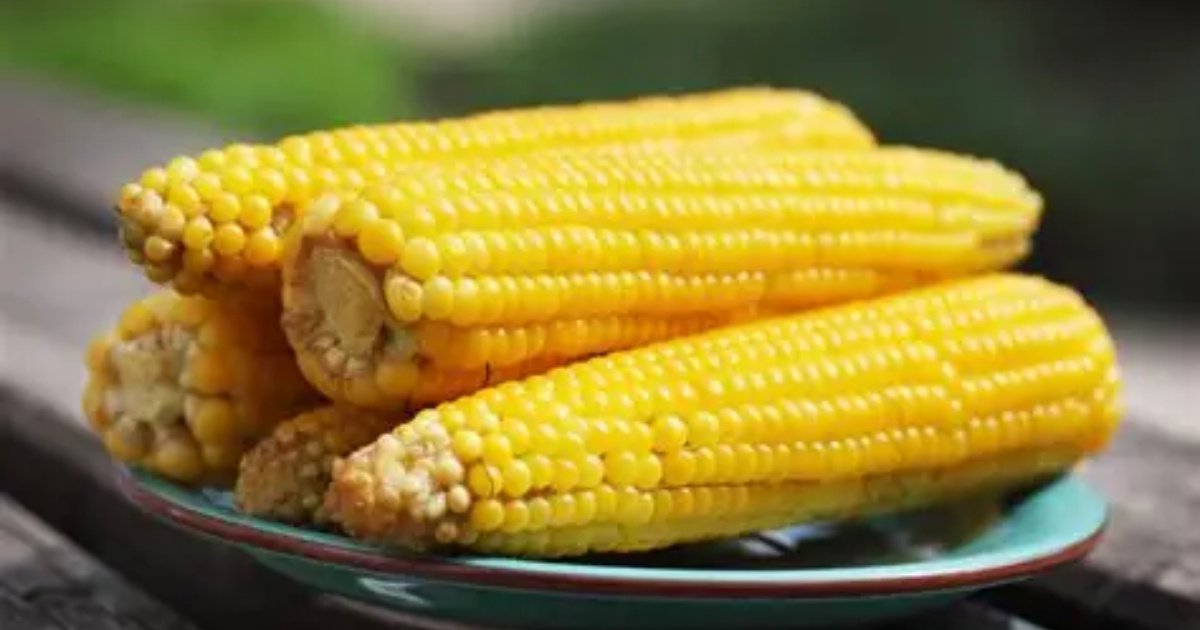
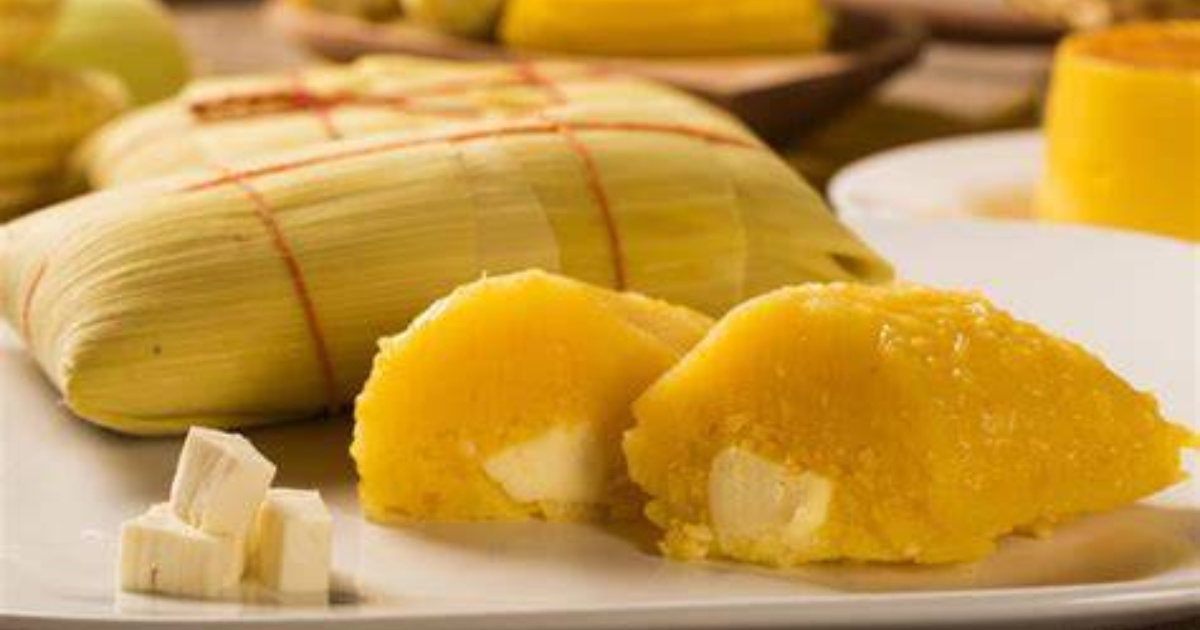
Unlike the square pamonhas characteristic of the Midwest, in Piracicaba, pamonha took on its own shape and flavor, emphasizing the use of fresh corn harvested in the region.
The tradition was preserved even with the modernization of the production process, which allowed for increased supply without sacrificing the original flavor.
Pamonha Production Drives the Local Economy
The volume of pamonhas produced daily in Piracicaba remains significant and supplies points of sale in various states.
The sector, which started in a homemade way, underwent significant modernization, incorporating industrial equipment and food safety practices required by the contemporary market.
Despite the industrialization, local producers maintain practices that safeguard the authenticity of the product.
Selected ingredients and the use of high-quality corn are considered essential to ensure the flavor that has won over consumers from different parts of the country.
The city also hosts small family businesses, in addition to large factories that employ hundreds of people and drive the regional economy.
Beyond its gastronomic appeal, pamonha is part of the city’s cultural calendar, which hosts themed festivals and events at different times of the year.
Such celebrations bring together residents and visitors around local cuisine, contributing to the preservation of traditional knowledge.
Pamonha Export: New Markets for Piracicaba
After consolidating its presence in the domestic market, Piracicaba is planning to internationalize its production.
According to industry representatives, the municipality is preparing its first shipments of pamonhas abroad, in a groundbreaking initiative.
The export project aims to meet the demand of both Brazilian and foreign consumers interested in typical products from the country, especially in regions with a large concentration of descendants of Brazilians.
To enable export, manufacturers had to adapt processes and packaging to meet international sanitary requirements.
The expectation is that, with this opening, the food will capture new markets and further increase the visibility of the municipality as a gastronomic hub.
Tradition and Differentials of Piracicaban Pamonha
The tradition of Piracicaban pamonha is not limited to its flavor.
The product is recognized for its creamy texture and the characteristic aroma of fresh corn, differentiators that stand out in the market.
Many producers choose to use only natural ingredients, without preservatives or artificial colors.
The development of the local recipe follows the transformations in corn cultivation in the region, which is considered to be of high quality due to the fertile soil and favorable climate.
These factors explain part of the success of the delicacy, which endures over time and maintains its popularity amid a variety of corn-derived products in Brazil.
The traditional production process, with direct involvement of families and small farmers, reinforces the bond between the city and its main gastronomic symbol.
This dynamic contributes to the pamonha of Piracicaba being seen as an immaterial heritage of local culture.
Tourism and Challenges for Pamonha Producers
The national recognition of Piracicaba as the capital of pamonha has a direct impact on regional tourism.
Visitors from different states seek to experience the authentic flavor of the product and get to know the factories and specialized fairs up close, boosting the service sector.
On the other hand, producers face challenges in maintaining quality on a large scale, especially in the face of international market demands.
The balance between tradition and innovation will be essential to ensure the success of exports and the continuous appreciation of Piracicaban pamonha.
How can the internationalization of Piracicaban pamonha transform the perception of Brazilian cuisine abroad?