Portuguese
  Spanish


With Support from Embrapa, Maritime Farms Stand Out as a Technological and Ecological Solution to Diversify Rural Production, Generate Income and Open New Markets for Brazil.
Maritime farms have established themselves as an expanding productive model in Brazil. Gradually, they have gained ground among rural producers seeking innovation.
This new frontier of agriculture utilizes the marine environment to cultivate food, with the support of science and technology. Embrapa plays a central role in this advancement by integrating cutting-edge research into the daily life of mariculture, offering solutions that combine sustainability and productivity.
What Are Maritime Farms and Why Are They Growing in Brazil?
Maritime farms are structures installed in the sea for the cultivation of aquatic organisms such as fish, shellfish, crustaceans, and seaweed.
-
Ancient Maya City Discovered in Remote Mexican Area with 12-Meter Pyramid, Palaces, Canals, and 14 Preserved Monuments

-
Indigenous 8-Year-Old Girl Wins National Science Award for Solar-Powered Water Heater Invention Using Recycled Materials

-
14-Year-Old Girl Develops Solar-Powered Water Purification System for India, Eliminating Need for Electricity or Chemicals

-
Forgotten Canadian Machine Harnessed Waterfall Power to Supply Mines with Compressed Air for 70 Years Without Motors or Electricity


This practice, also known as mariculture, differs from freshwater aquaculture precisely due to the use of oceanic areas for production.
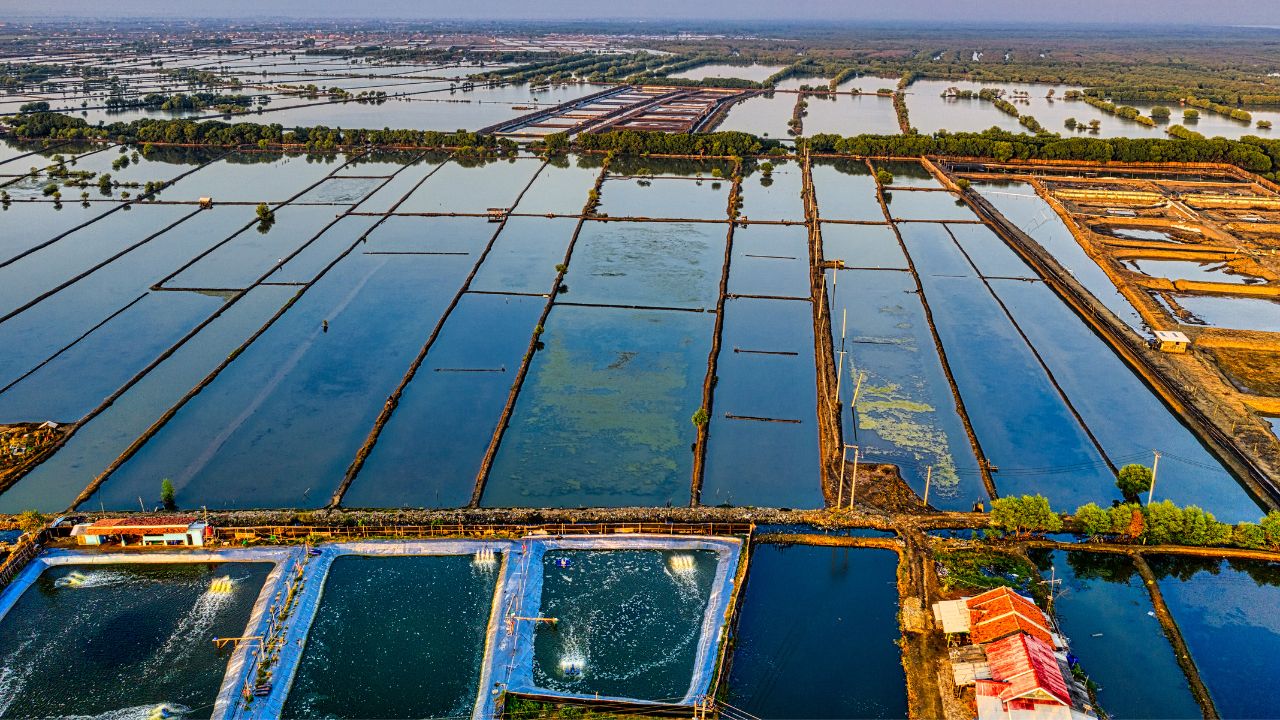
These units can be installed near the coast or in deep water.
Although the environment is more challenging, the management principles are familiar to land producers: sanitary control, environmental monitoring, and technical planning are equally essential.
The marine environment, however, demands specific solutions, such as equipment resistant to corrosion and systems that adapt to natural changes in tides and temperatures.
Investment in Mariculture Expands Opportunities for Rural Producers
With the growing pressure on agricultural land and the increase in global food demand, maritime farms emerge as a safe and profitable diversification option.
Entering this sector allows producers to mitigate risks and access new markets — including international ones.
Recent data from the Ministry of Fisheries and Aquaculture confirm this trend: Brazilian exports of farmed fish reached US$ 18.5 million in the first quarter of 2025.
This represents a growth of 112% in value and 89% in volume compared to the same period last year.
This performance strengthens mariculture as an economic driver and proves that the ocean can be just as fertile as the soil.
Seaweed
The cultivation of seaweed is emerging as one of the most promising segments of maritime farms. Beyond food, seaweed is a valuable raw material for the cosmetics, fertilizers, and even biofuels industries.
Embrapa is studying, for example, the use of macroalgae as an input to improve agricultural productivity on land.
This bridge between the sea and the land paves the way for new integrated production methods, showing that it is possible to innovate with environmental responsibility.
Cultivated Species and Expanding Market
Oysters, mussels, and shrimp are among the most popular cultivations in maritime farms.
Oysters are valued for their adaptation to different regions; mussels grow quickly and have high nutritional value; while shrimp require more care but fetch high prices in the market.
In addition to these, there are marine fish species, such as bass and salmon, that are also being successfully produced in Brazil.
Each organism requires specific care, from water temperature to salinity and the type of food provided.
High Technology Ensures Efficiency and Sustainability at Sea
Brazilian mariculture has been leveraging technology to overcome natural challenges and gain competitiveness. Embrapa’s presence in this process provides technical and scientific support for the initiatives.
Automated feeding systems, water quality sensors, underwater drones for inspections, and real-time management software are part of the daily routine of these farms.
These tools allow producers to make more precise decisions, save resources, and reduce environmental impacts.
By utilizing these resources, marine production becomes more efficient, predictable, and secure, attracting investments and increasing the confidence of those who invest in this model.