






 Portuguese
  Spanish


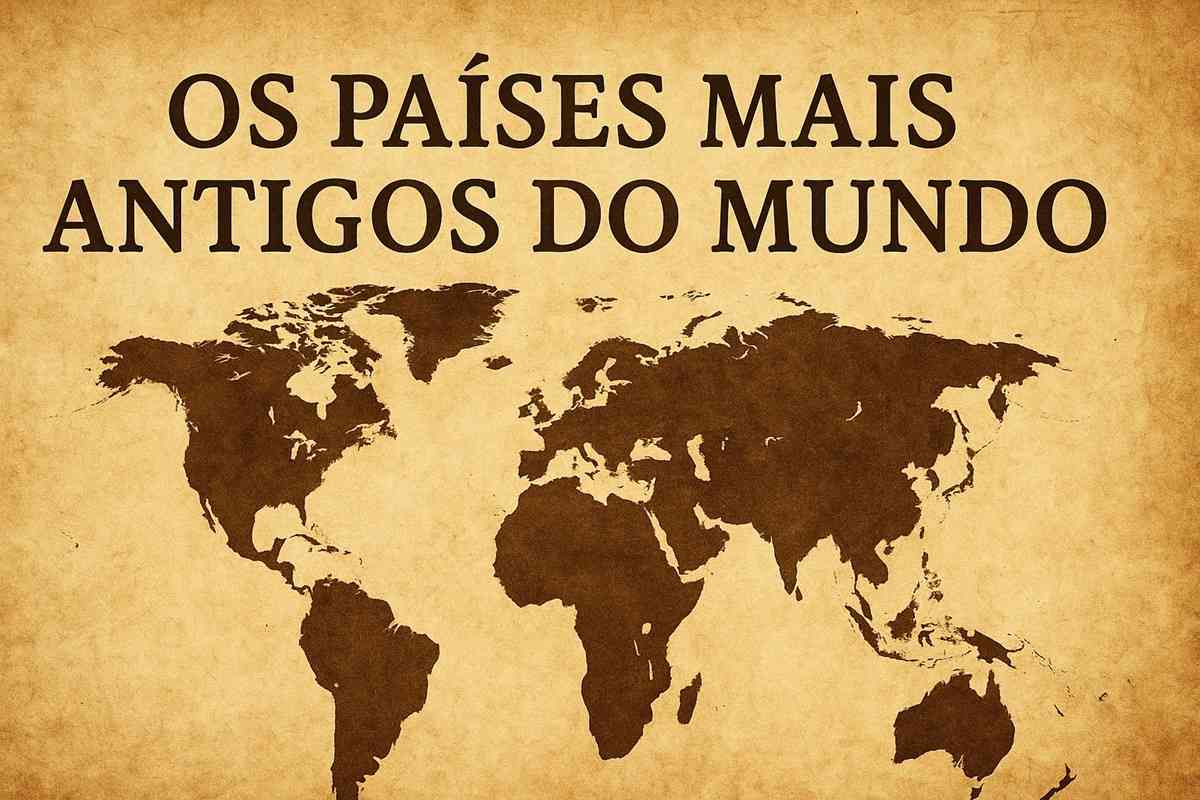

Some Nations Have Stories That Began More Than 5 Thousand Years Ago And Continue To Shape Cultures, Ideas, And Traditions In The Modern World.
Much is said about new countries, like South Sudan, officially created in 2011, which practically belongs to the Generation Z.
But the other end of the timeline holds impressive stories. There are civilizations so ancient that they were thriving long before the birth of the Roman Empire.
Some are still alive today, influencing cultures, religions, governments, and customs around the planet.
-
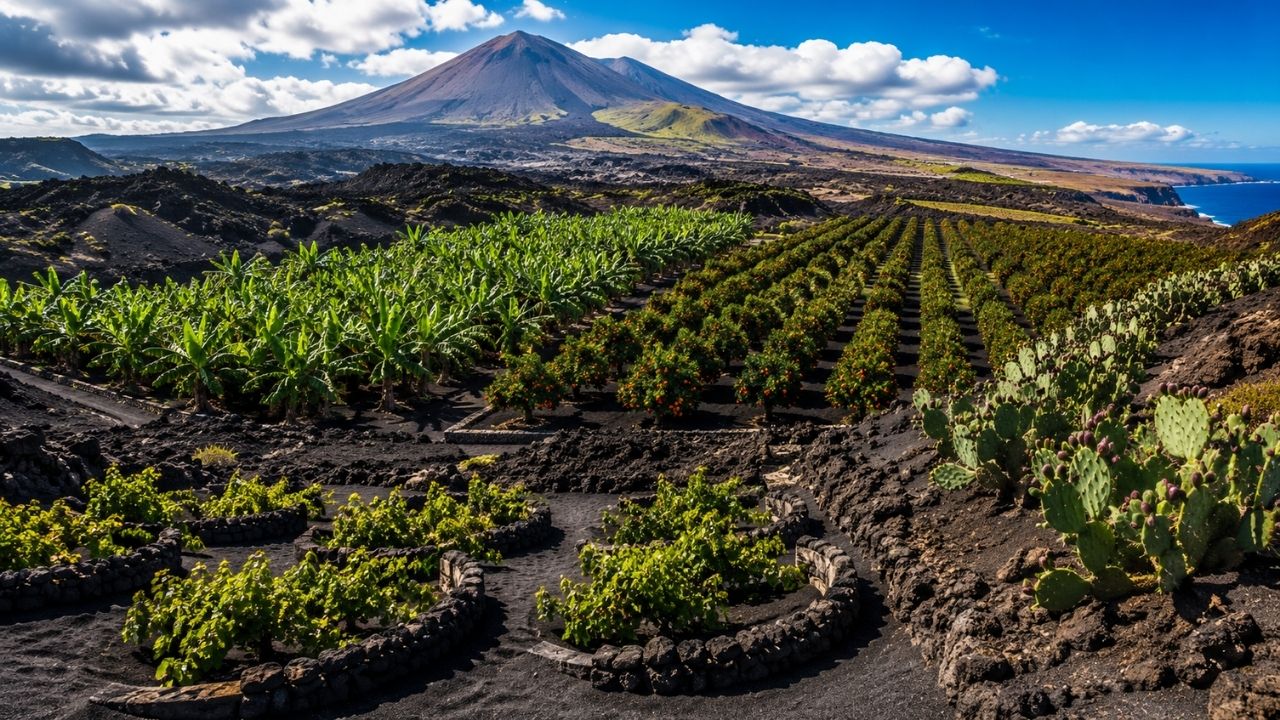
Volcanic Soils from Destructive Eruptions Turn into Million-Dollar Crops: Ashes Nourish Grapes in Lanzarote, Bananas in the Canary Islands, Blood Oranges on Mount Etna, and Cacti in Mexico, Showcasing How Lava-Formed Lands Sustain Rare Harvests in Seemingly Barren Regions

-
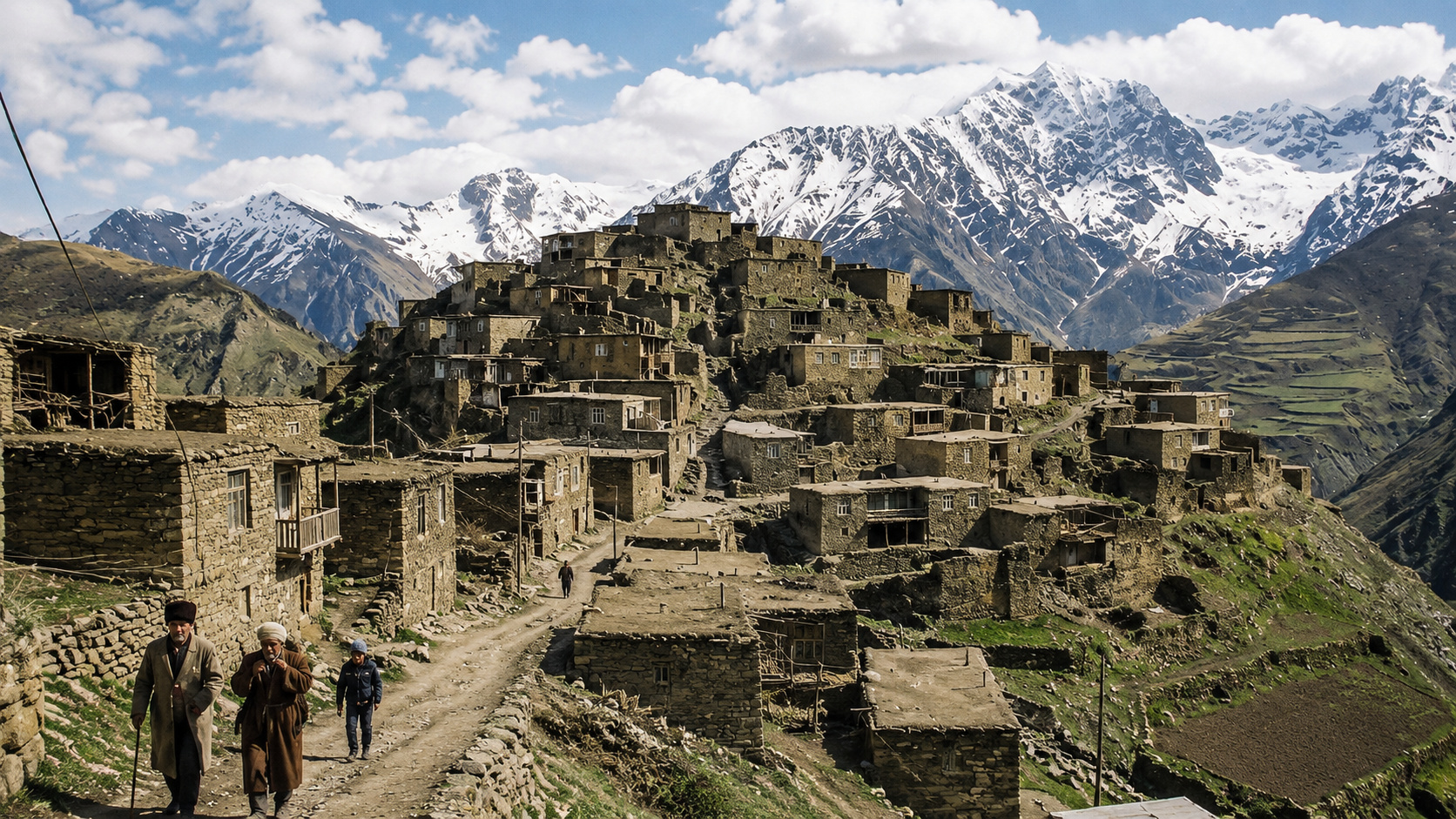
In the Caucasus Mountains, a Community Preserves a Language So Rare Few Outsiders Can Understand It

-
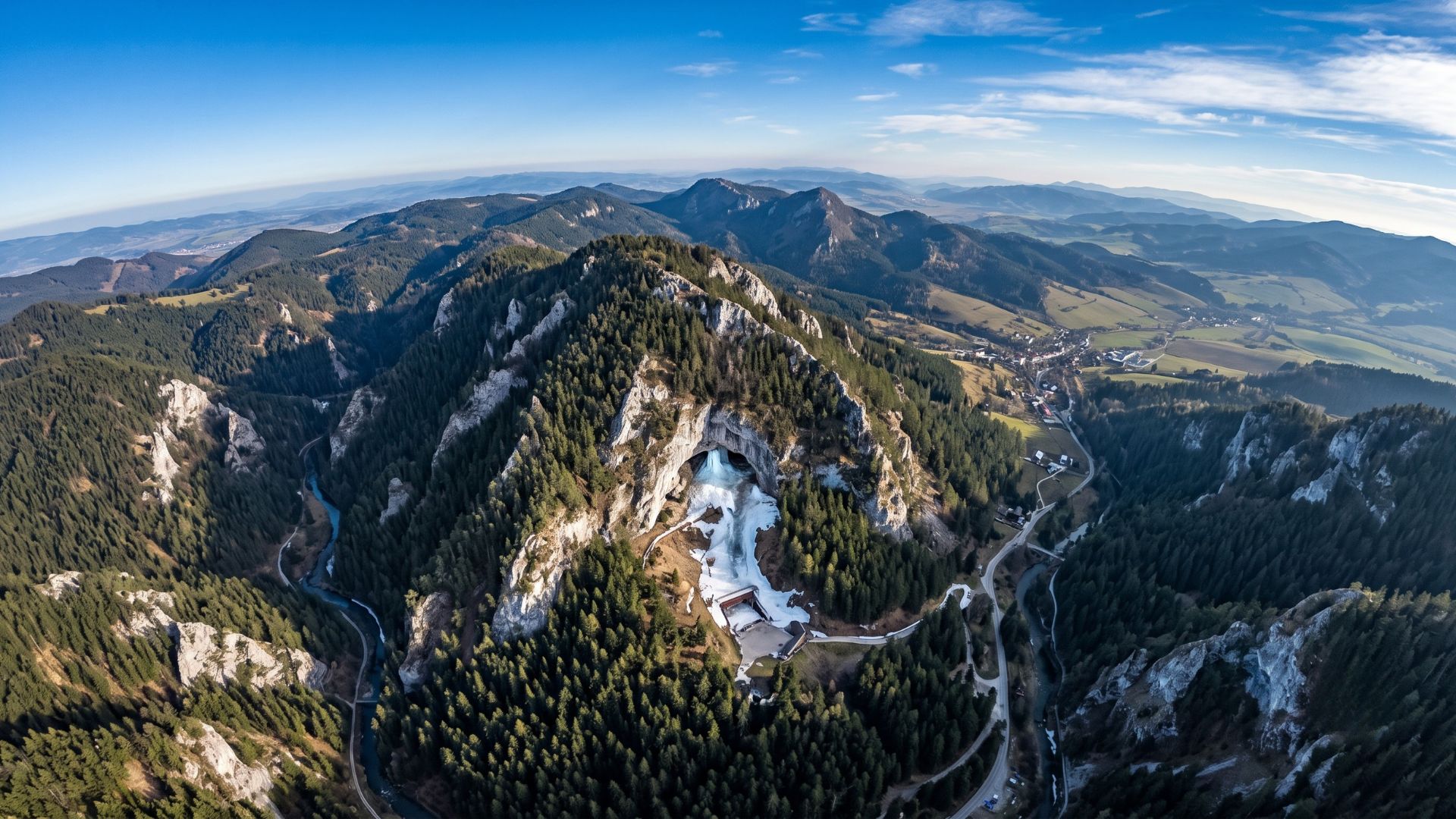
Slovakia’s Ice Cave Holds Over 110,000 m³ of Frozen Wonders, Boasts Walls Up to 27 Meters Thick, and Was Among the First Electrified Caves Globally

-
Street Cleaner Accidentally Receives $200,000 Transfer, Returns Unexpected Fortune to Rightful Owner

Greece: Gods, Temples, And Ideas That Last Millennia
Greece ranks fifth among the oldest countries in the world. Its history begins with the Mycenaean civilization, around 1600 B.C., passing through cities like Athens and Sparta and culminating in classical Greece.
There are over 3,000 years of recorded history, with a lasting impact on the arts, philosophy, mathematics, and politics.
Even today, names like Socrates and Plato are still present in books, universities, and debates.
China: Millennia Of Empires And Inventions
In fourth place is China. Its written history begins with the Shang Dynasty, around 1600 B.C., which gives the country over 3,500 years of continuous history.
Ancient China not only created vast and complex empires but also invented paper, the compass, and noodles.
Despite political changes over the centuries, its culture has maintained a solid identity and one of the richest traditions on the planet.
India: Deep Roots And Global Influence
India ranks third and is a direct heir of the Indus Valley civilization, which emerged around 3300 B.C.
Indian culture has spanned centuries, shaping medicine, spirituality, and commerce.
Practices like yoga and meditation, born over 4,000 years ago, are now embraced worldwide. Cuisine, religion, and even Vedic astrology reflect a living millennial heritage.
Iran: Ancient Persia And Its Legendary Kings
In second place is Iran, historically known as Persia.
Its oldest records come from the Elamite Empire, around 3200 B.C., and later from the powerful Achaemenid Empire.
It was one of the first civilizations to create a postal system and large planned cities.
Iran has over 5,000 years of documented history and remains relevant in today’s cultural and political debates.
Egypt: A Civilization With More Than 5,000 Years
First place goes to Egypt. Egyptian civilization emerged around 3150 B.C., with pharaohs, pyramids, and its own writing system.
There are more than 5,000 years of uninterrupted history. It is one of the oldest and most influential civilizations ever recorded — a legacy that still fascinates the modern world.
Table with countries organized based on their historical antiquity:
| Rank | Current Country | Historical Name | Estimated Start | History Length | Historical Highlights |
|---|---|---|---|---|---|
| 1st | Egypt | Ancient Egypt | c. 3150 B.C. | +5,000 Years | Pharaohs, Pyramids, Hieroglyphic Writing |
| 2nd | Iran | Persia / Elamite Empire | c. 3200 B.C. | +5,000 Years | Ancient Cities, Postal Systems, Powerful Empires |
| 3rd | India | Indus Valley Civilization | c. 3300 B.C. | +4,000 Years | Yoga, Meditation, Vedic Culture |
| 4th | China | Shang Dynasty | c. 1600 B.C. | +3,500 Years | Inventions, Empires, Continuous Culture |
| 5th | Greece | Mycenaean Civilization | c. 1600 B.C. | +3,000 Years | Philosophy, Democracy, Mythology |


