





 Portuguese
  English
  Spanish
  3 min of reading
  4 comments


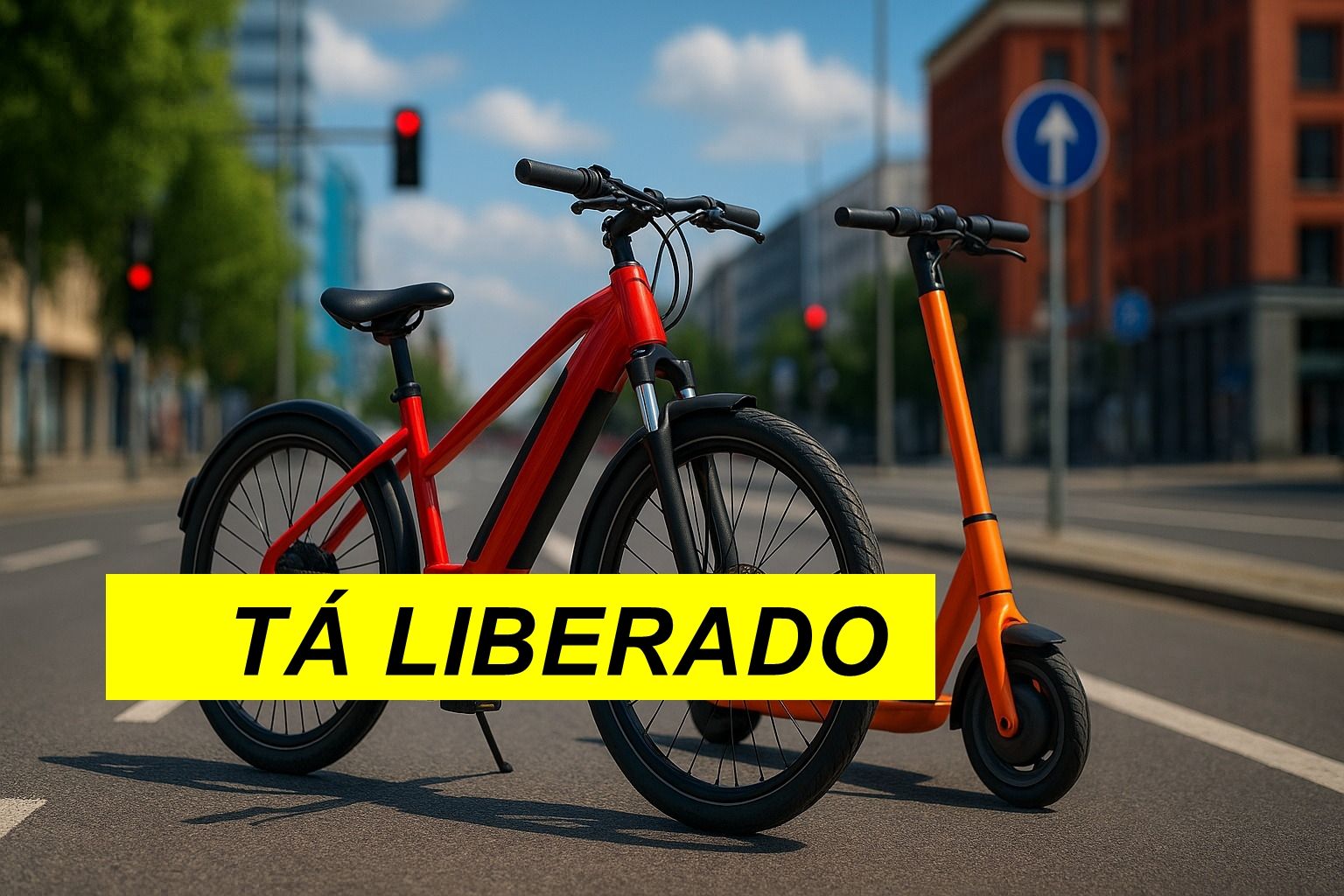


Even With the New Requirements Coming into Effect in 2026, Some Light Electric Vehicles — Such as Pedal-Assisted Bicycles, Scooters, and Unicycles — Will Remain Exempt from License Plates, Driver’s License, and Helmets.
The countdown has begun for those using mopeds in Brazil. By December 2025, drivers will need to regularize their vehicles and comply with the new requirements of the Brazilian Traffic Code. Starting January 1, 2026, the use of helmets, licenses, and identification plates will be mandatory, allowing for greater control and quicker enforcement of fines and seizures.
Mopeds, defined as two or three-wheeled vehicles, whether electric or combustion, with up to 4,000 watts of power and a maximum speed of 50 km/h, will have to follow stricter rules. To drive them, an A category license, the same as for motorcycles, or an ACC, simplified specific authorization, will be required. Additionally, circulation in bike lanes and cycle paths will remain prohibited.
The alert gained strength after serious accidents, such as the one that occurred on December 31, 2024, in Itapema (SC), when an 18-year-old ran over and killed a 43-year-old man in a bike lane. The case emphasized the urgency for clearer rules and effective enforcement, especially in light of the increase in the use of these vehicles.
-
Amid the United States’ economic blockade, China delivers 15,000 tons of rice to Cuba as part of a 60,000-ton donation personally approved by Xi Jinping. The package includes 80 million dollars and solar panels for hospitals.

-
For around 200 reais, anyone can buy a kit and have a chip implanted between their fingers to replace cards, keys, badges, and even medical information in case of a hospital emergency.
-
A 600-meter hill in the interior of Santa Catarina hides a volcanic past of almost 600 million years. The Morro do Garrafão in Corupá may have been an ancient extinct volcano, and science now confirms what the residents have always suspected.
-
Family has lived for over 50 years without electricity and running water at home in the South of Minas, 10 minutes from the city, improvising light, bath, and water while facing a lack of basic resources and awaiting property regularization.





Growth in Usage and Reasons for the Change
The number of mopeds and electric vehicles on the road has been growing rapidly. According to Jornal Nacional, electric moped sales increased by 32% in the first eight months of 2025, with São Paulo seeing growth reach 72%. This advancement prompted a review of the rules, as the use of these vehicles in inappropriate areas has posed risks to pedestrians and cyclists.
The main motivation for the change is traffic safety. Authorities want to prevent vehicles with significant speeds from operating without control or identification, which makes it difficult to hold them accountable in case of accidents.
What Changes for Drivers
The new requirements include:
- Identification plate and mandatory vehicle registration;
- A category license or ACC;
- Helmet use by driver and passenger;
- Circulation only on suitable roads, being prohibited from use in bike lanes, cycle paths, sidewalks, or incompatible express roads.
Those who do not comply by December 31, 2025, may face penalties starting January 2026.
For those who already own or plan to acquire a moped, the checklist is clear: verify if the vehicle fits the category, register and license it, obtain the corresponding license, wear a helmet, and respect allowed roads.
What Does Not Change
The rules do not alter the use of electric bicycles with pedal assistance, scooters, and self-propelled unicycles with a maximum speed of up to 32 km/h. These devices will remain exempt from the new requirements. Vehicles that exceed the power or speed limits of mopeds will continue to follow the motorcycle regulations and higher categories.
Impact on the Market and Challenges
The regulation promises greater clarity and safety in the circulation of light vehicles. Identification and registration will allow for increased enforcement, curb improper use, and reduce accidents in shared areas. It is also expected to result in a more organized integration of these vehicles into the urban mobility system.
However, challenges are ahead. Drivers will need to invest in registration and licensing, which may generate resistance. Municipalities and traffic agents will also need to adapt to the oversight and application of the new measures, as well as intensify public information campaigns.
Frequently Asked Questions
Who is considered a moped driver?
Anyone using a two or three-wheeled vehicle, electric or combustion, with power up to 4,000 watts and a maximum speed of 50 km/h.
And who uses electric bicycles or scooters?
These vehicles, with speeds of up to 32 km/h and pedal assistance, do not need to follow the new rules.
What is the final deadline for regularization?
By December 31, 2025. Starting January 1, 2026, penalties will be in effect.
What license is required?
A category A or ACC — Authorization to Drive a Moped.
Can they circulate in bike lanes?
No. Mopeds will not be allowed to travel in bike lanes, cycle paths, or sidewalks, under penalty of a serious infraction.










Eu acho que tem que regulamentar mesmo, pois está virando terra sem lei o caso desses ciclomotores! Passam com sinal vermelho, andam na contramão, nas calçadas, no meio do trânsito com fluxo rápido etc..
Governo **** sempre que tirar uma vantagem de arrecadar dinheiro já basta os valores altos de impostos Q já pagamos se fosse o nosso presidente Bolsonaro isso não ia acontecer
Concordo o gverno tá querendo tirar vantagem em cima do povo inventando moda abaixa a CNH pra que nos brasileiros poder nos a dignidade de ter um veículo pra poder andar isso eles não dão jeito de regularizar..
Kkkk. Precisas te informar melhor viuvinha…. Isso não tem nada a ver com o governo federal. Quem gerencia trânsito urbano são estados e municípios. Mas de boa. Tá um caos a invasão das calçadas, ciclovias e na contramão das ruas e avenidas. Infelizmente povo sem disciplina exige regras rígidas de convivência.