






 Portuguese
  Spanish
  5 min of reading
  0 comments


Volkswagen project puts the ethanol-only car back at the center of discussions about fleets, emissions, and tax incentives, as automakers evaluate new ways to leverage biofuel within the rules of the Sustainable Car program.
Volkswagen is testing in Brazil a unit of the Saveiro adapted to run exclusively on ethanol, reviving a technology that marked the national industry before the popularization of flex engines.
Still without confirmation as a series product, the compact pickup targets corporate fleets and may benefit from the tax rules of the Sustainable Car program, linked to Mover.
In the current phase, the adaptation starts from a relatively simple solution, based on recalibrating the flex system to recognize only E100 ethanol in fuel intake.
-
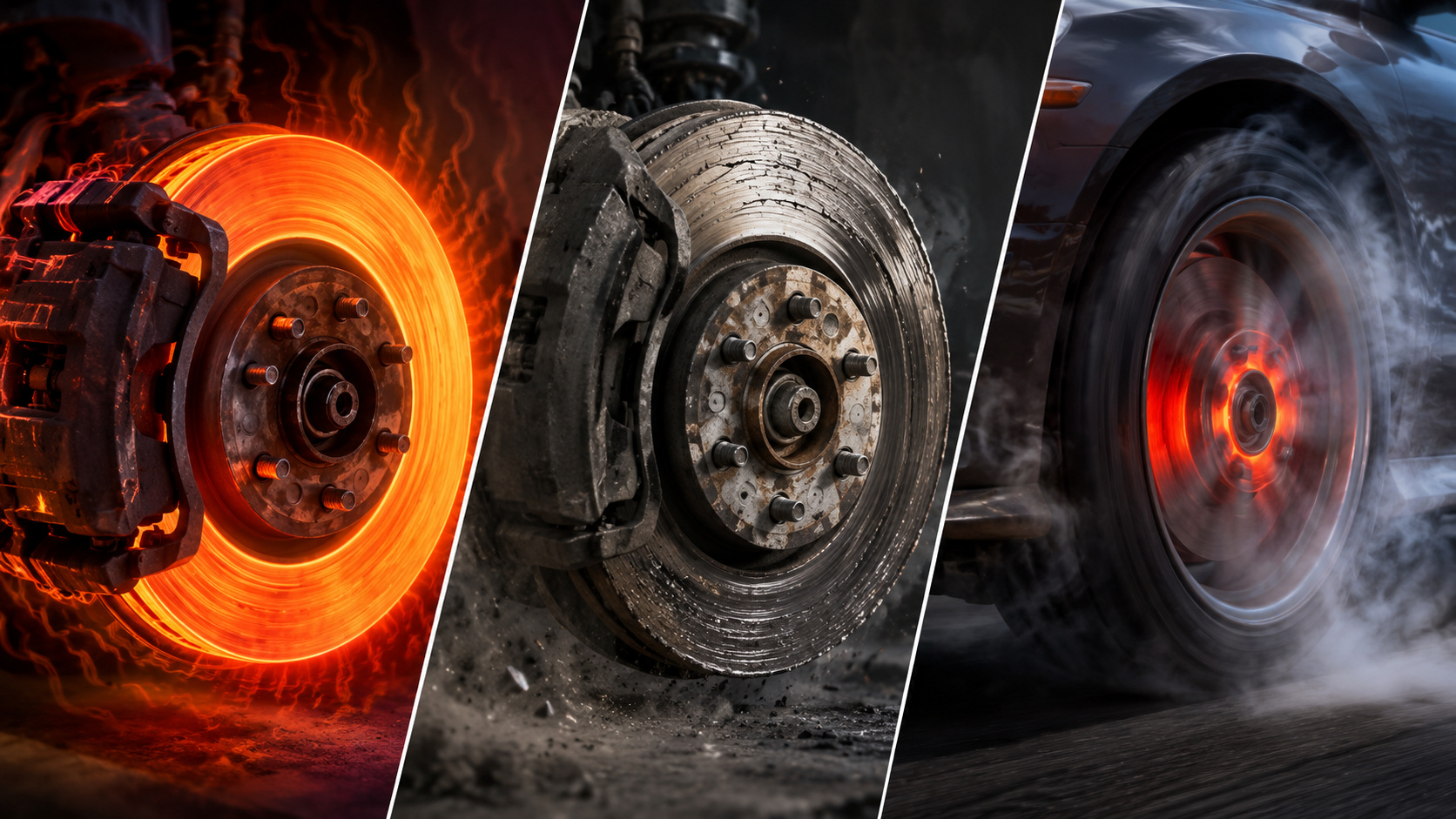
Keeping your foot lightly on the brake pedal while driving may seem harmless, but mechanics warn: this habit generates constant heat, wears out the pads too quickly, and can warp the discs, making braking expensive and dangerous.

-
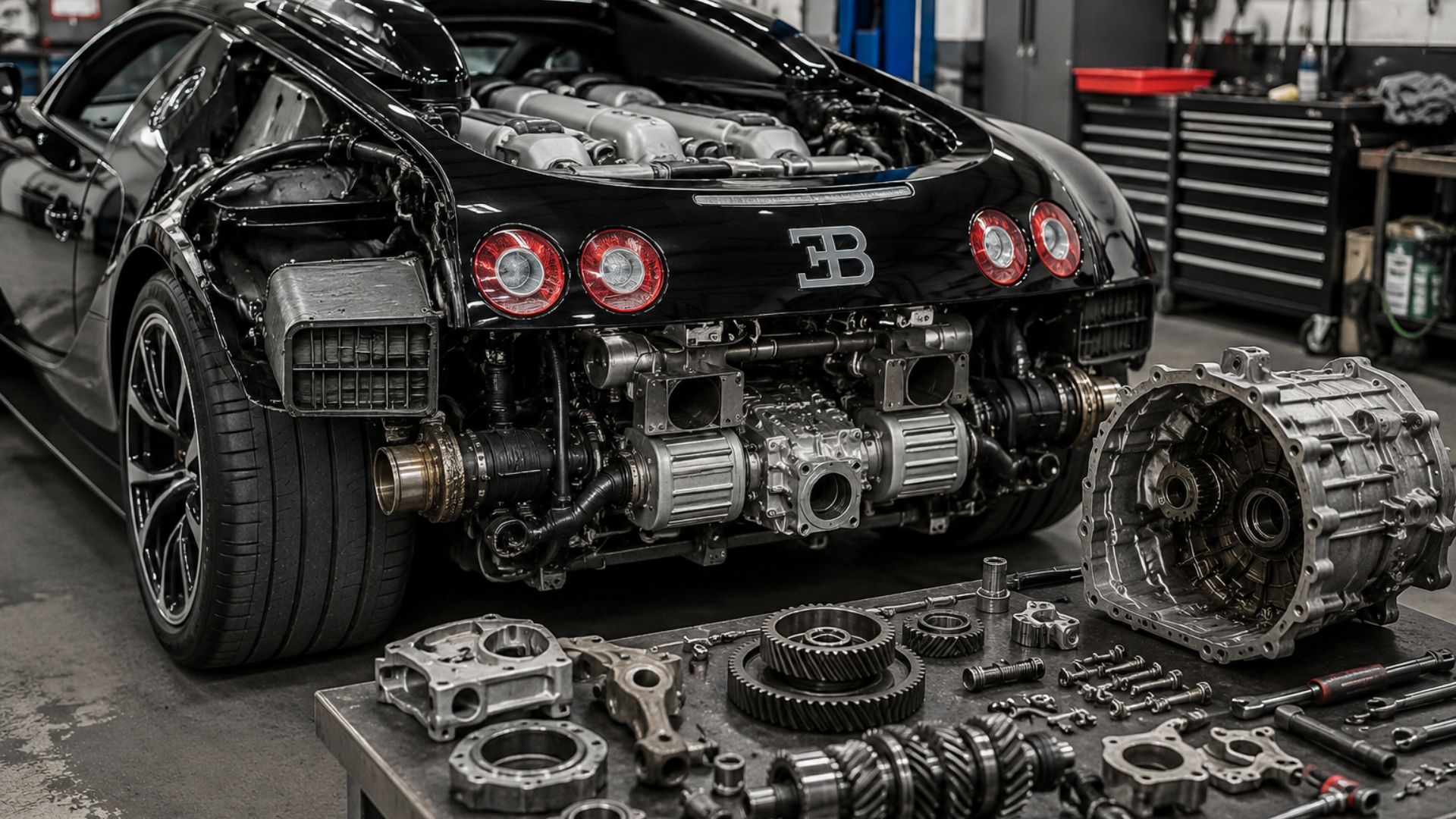
The YouTuber Mark McCann bought a Bugatti Veyron for almost $1.2 million, but discovered that the supercar’s gearbox is so damaged that even Bugatti itself won’t accept to repair it, and the repair could cost a fortune.

-
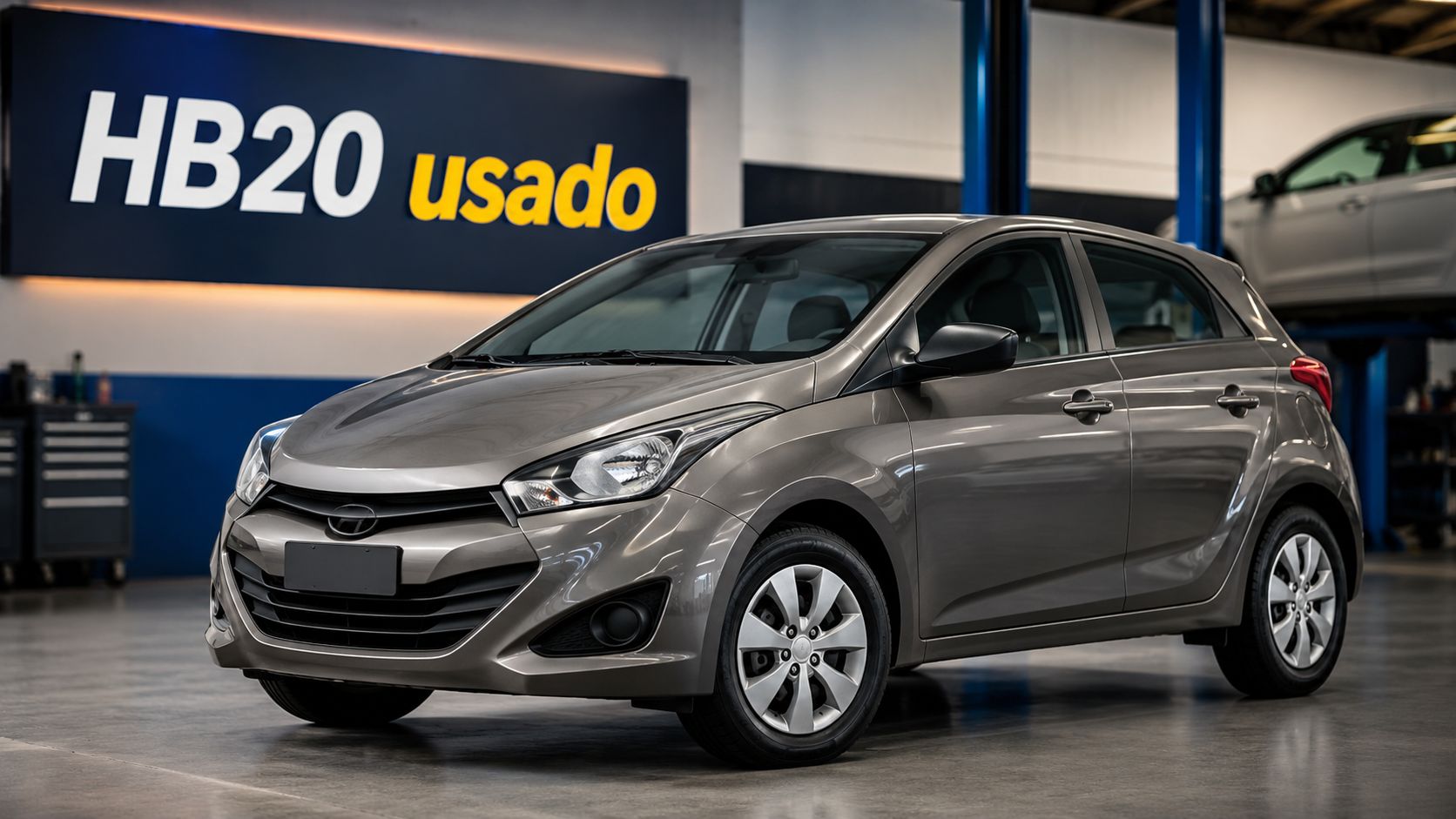
Thinking about buying a used HB20? See why the 2015 model is still a crowd favorite, with cheap parts, easy-to-fix mechanics, a strong engine, and quick sales.
-
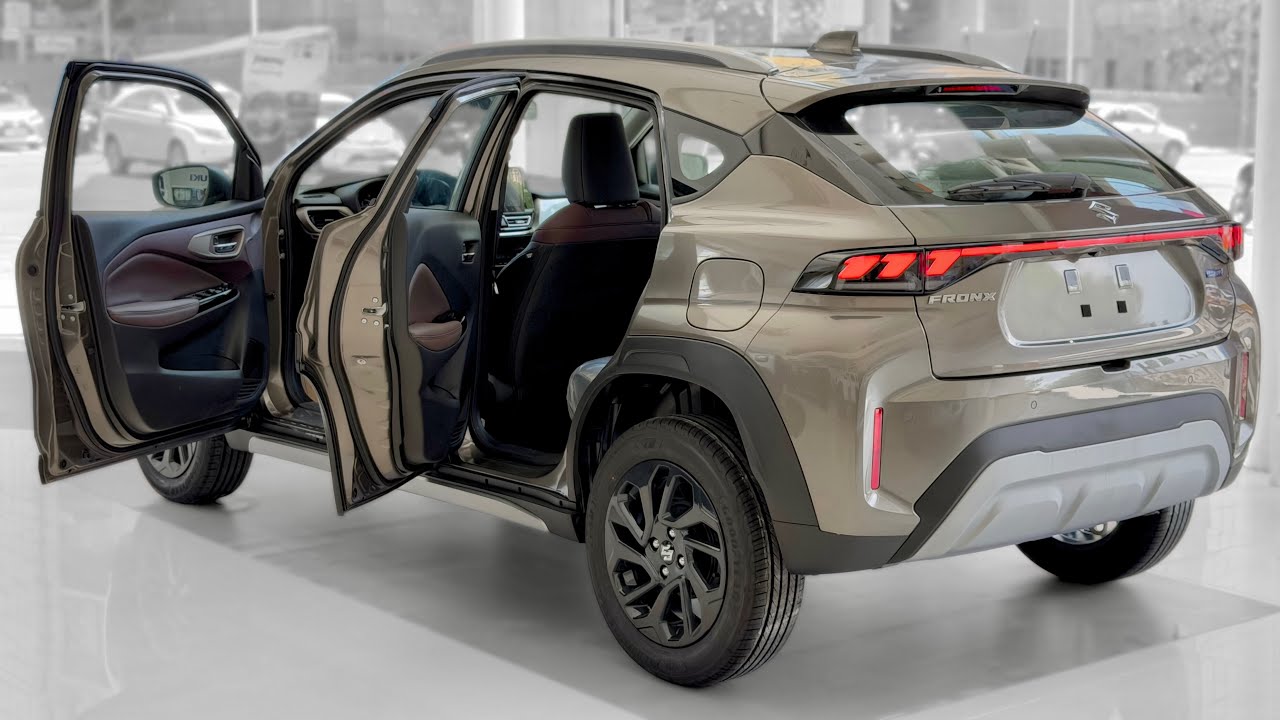
Suzuki Fronx emerges as the “compact coupe SUV” that Brazil doesn’t have: priced around R$ 37,000 in a tax-free conversion, the model has a hybrid version, 1.0 turbo engine, bold design, and the price of a popular car in India.

According to Automotive Business, the tested unit receives the biofuel in the tank without, for now, a complete mechanical overhaul of the set.
Ethanol Saveiro still depends on commercial viability
Although the tests indicate technical progress, the arrival of an ethanol-only Saveiro at dealerships is not yet defined by Volkswagen.
Before any commercial decision, the sales area needs to complete an economic viability study to assess whether the technology can enter the brand’s official portfolio in the region.
If it advances, the most likely application will be in a utility vehicle aimed at corporate clients, a segment where fuel supply predictability and lower operational costs tend to have significant weight.
This direction also aligns with environmental goals adopted by companies seeking to reduce emissions in delivery operations, urban services, and professional commutes.
Besides the potential environmental appeal, ethanol can help reinforce the sustainability image associated with corporate fleets.
As the burning of biofuel is considered cleaner than gasoline, the argument tends to gain importance in purchase decisions of companies with internal policies to reduce environmental impact.
Recalibrated flex engine does not solve the entire challenge
The solution evaluated by Volkswagen takes advantage of the base of flex engines, already prepared to run on gasoline, ethanol, or any mixture between the two fuels.
This architecture facilitates the start of development, as it allows engineering to work on a configuration known and widely used by the brand in the Brazilian market.
Even with this initial advantage, simple recalibration is not seen as the ideal configuration for a more efficient commercial product.
A source linked to the automaker told Automotive Business that a definitive model would require a specific engine, with changes in components such as pistons and cylinder head to increase the compression ratio.
The technical change makes a difference because ethanol has a higher octane rating than gasoline and allows operation with higher compression.
When the set is designed to exploit this characteristic, the engine dedicated to alcohol can deliver better performance and greater thermal efficiency of the fuel.
Therefore, a merely recalibrated car tends to function as a transitional solution, and not necessarily as the most competitive configuration for mass production.
To become viable, the project would still need to balance industrial cost, technical gain, final price, and adherence to tax incentive rules.
Sustainable Car Program changes automakers’ calculations
Interest in ethanol gained new weight with the Sustainable Car, a modality foreseen in Mover to stimulate more efficient and less polluting vehicles.
According to the rules disclosed by the federal government, the mechanism reduces rates and can zero the IPI of compacts with high energy-environmental efficiency, provided they are manufactured in Brazil and approved under the program’s criteria.
To receive zero IPI, the vehicle must meet requirements such as emissions below 83 grams of CO₂ per kilometer, more than 80% recyclable materials, national manufacturing, and classification in compact car categories.
Qualification depends on a formal request from automakers to the MDIC and the publication of an ordinance after government analysis.
In addition to full exemption for models classified as Sustainable Car, the decree created a logic of bonuses and additions to the IPI.
This calculation includes factors such as energy efficiency, propulsion technology, power, safety, and recyclability, with an advantage for vehicles that present better environmental and technical indicators.
Within this regulatory framework, models powered exclusively by ethanol appear among the technologies that may receive a rate reduction.
The rule does not guarantee automatic approval for any alcohol vehicle, but creates a direct incentive for automakers to study projects more aligned with the program’s criteria.
Alcohol-powered car returns in a different scenario in Brazil
Between the 1980s and 1990s, cars powered solely by alcohol were common in Brazil, in a market influenced by the advancement of ethanol as a national fuel.
The technology lost ground starting in 2003, when flex-fuel engines began allowing consumers to alternate between gasoline and ethanol in the same vehicle.
Now, the renewed interest in models dedicated to alcohol occurs in a different context than observed in the past.
Instead of relying solely on fuel prices, the discussion involves emission targets, tax benefits, and automakers’ positioning in the transition to lower environmental impact vehicles.
General Motors took the lead in this movement by launching an ethanol-powered version of the Chevrolet Onix, according to Automotive Business.
In the same direction, the publication reports that Stellantis claims to have a project ready, although not yet released to the market.
In the case of Volkswagen, the Saveiro serves as a laboratory by combining a utility profile, professional application, and potential use in fleets.
The pickup also allows testing the acceptance of a technology known to Brazilian consumers, now repositioned under a logic of efficiency, emissions, and taxation.
For now, the initiative remains in the technical and commercial evaluation phase.
The final decision will depend on economic viability, engineering suitability, and regulatory compliance, factors that will determine if the 100% ethanol Saveiro will be just a development test or a product to compete in Brazilian corporate fleets.






Be the first to react!