Portuguese
  Spanish


The Revolution of Electric and Hybrid Cars in Brazil: Volkswagen Receives Support from BNDES. Learn About the Plans and Investments Here
The National Bank for Economic and Social Development (BNDES) recently announced financing for Volkswagen do Brasil as part of an innovation strategy and energy transition in the automotive sector. The investment aims to support the manufacture of new hybrid and electric vehicles, aligning with Brazilian industrial policy and sustainable mobility goals.
Investment Expansion by 2028
This announcement comes just days after Volkswagen revealed an expansion of its investment plan in Brazil, which now totals R$ 16 billion by 2028. The new round of financing from BNDES is part of the “BNDES More Innovation” credit line, with financial conditions linked to the Reference Rate (TR). The focus of this financing is the development of sustainable technologies in the transportation sector, with special attention to hybrid and electric vehicles.
Development of New Models and Technologies
Among the projects that will benefit from this financing, the launch of 16 new vehicle models stands out, including a new hybrid Flex engine. Four of these new models will be unprecedented in the market and will have the capacity to operate with ethanol, gasoline, and electricity simultaneously, promoting an integration between the energy sources already available in Brazil and the new global trends in automotive electrification.
-
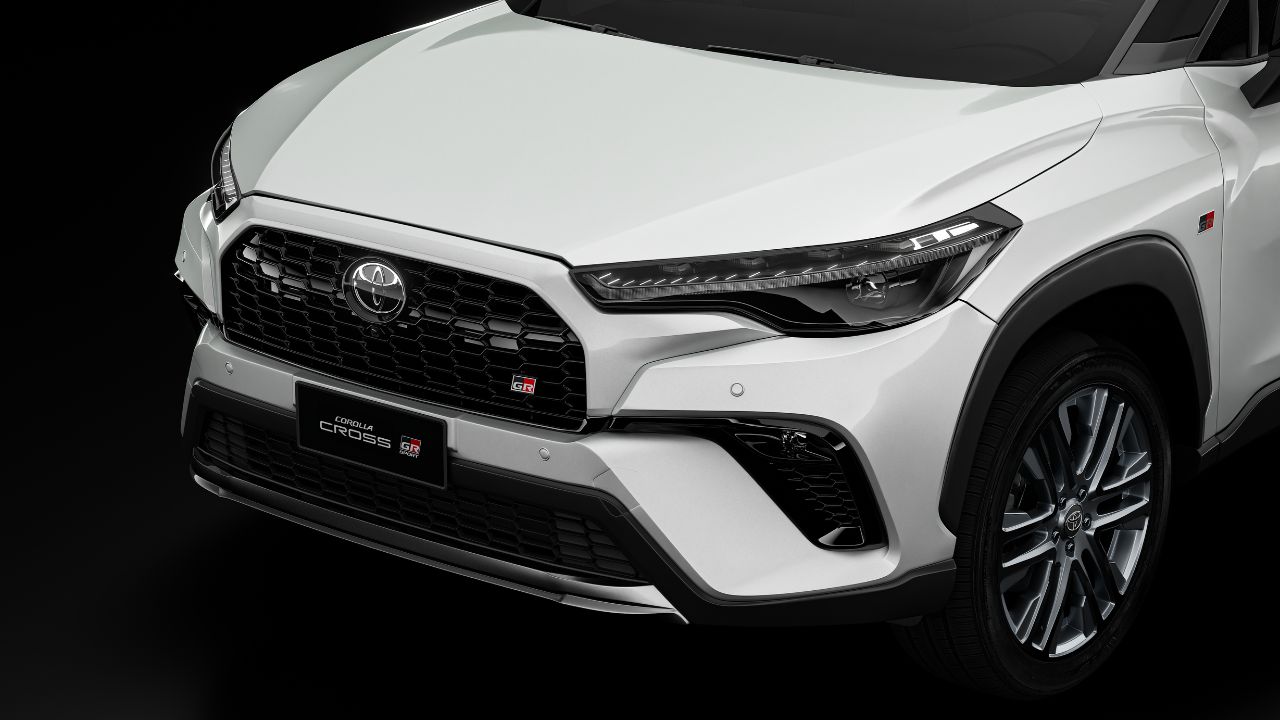
2027 Toyota Corolla Cross Unveiled: New Design, Enhanced Fuel Efficiency, Reduced Maintenance Costs, Advanced Technology, Connected Services, and Up to 10-Year Warranty

-
Fiat Cronos Precision 2018: Affordable Sedan with Spacious Trunk and Reliable Maintenance
-
Volkswagen to Cut Production by 1 Million Cars by 2030, Reducing Jobs and Platforms, Focusing on More Profitable Models

-
Toyota Launches First 100% Electric Car in Brazil: bZ4X with 343 HP, All-Wheel Drive, 361 km Range, Priced at $419,990 BRL, Limited to 99 Units



Additionally, BNDES emphasized that part of the funds will be dedicated to studies and research for the development of 100% electric vehicles in the country. The idea is to conceive a platform of hybrid Flex vehicles that operate with multiple energy sources efficiently, bringing technological and environmental innovation to the Brazilian market.
Workforce Training
Another important aspect of the financing is workforce training. With the arrival of new hybrid and electric models, it will be necessary to train professionals to meet the production and maintenance demands of these high-tech vehicles. This investment in professional qualification aims to ensure that Brazil is prepared for the transformations in the automotive sector, with skilled workers capable of operating the new technologies.
Alignment with the New Industrial Policy
The financing from BNDES to Volkswagen is directly linked to Brazil’s new industrial policy, which seeks to promote innovation and sustainability. The energy transition in the transportation sector, with the popularization of hybrid and electric vehicles, is one of the priorities of this policy, aiming to reduce greenhouse gas emissions and promote the use of clean energy.
The Role of Brazil in the Sustainable Automotive Industry
The partnership between the BNDES and Volkswagen reinforces Brazil’s role as a relevant player in the global automotive industry, especially regarding innovation in sustainable mobility. By betting on hybrid Flex and electric vehicles, the country can become a reference in integrating renewable energy sources, such as ethanol, and state-of-the-art technologies in the transportation sector.
This movement also helps strengthen the Brazilian industry’s commitment to carbon reduction goals, something that is becoming increasingly important in a global landscape of environmental concerns and the search for more sustainable alternatives.
The financing from BNDES for Volkswagen do Brasil represents a significant step towards modernizing the automotive sector in the country, with positive impacts on the economy, job creation, and environmental preservation.