





 Portuguese
  English
  Spanish
  4 min of reading
  0 comments


In The Midst Of An Absurd Shock, Volkswagen Needs To Make Quick Decisions To Reduce Costs And Protect Its Market Position. Find Out What Led The Manufacturer To Act Urgently And What The Next Steps Will Be!
Volkswagen announced that it will need to adopt substantial cost cuts after a significant drop in profits in the third quarter of this year. The company reported a net profit of €1.58 billion (about US$ 1.7 billion) between July and September, representing a 64% decrease compared to the same period last year, when the manufacturer earned €4.35 billion. Despite a slight 0.5% decline in revenue, which stood at €78.49 billion, the impact on profits was alarming for the company and its shareholders.
The financial situation has led Volkswagen to consider more drastic measures, such as closing factories. This possibility triggered an immediate reaction from representatives of employees and the industrial union IG Metall, who opposed cost-cutting that could result in layoffs or the deactivation of production units. On Wednesday, a meeting was held at the company’s headquarters in Wolfsburg to discuss these issues, amid growing tension.
Challenges And Demands Of Unions
Before the meeting, Thorsten Gröger, regional leader of IG Metall, commented that Volkswagen should at least “declare its willingness to initiate a negotiation process aimed at finding alternatives to factory closures and layoffs.”
-
Brazil and Argentina finalize a pact to shield the automotive sector from the pressure of Chinese cars and promise new rules by 2029, with productive integration and attraction of investments.

-
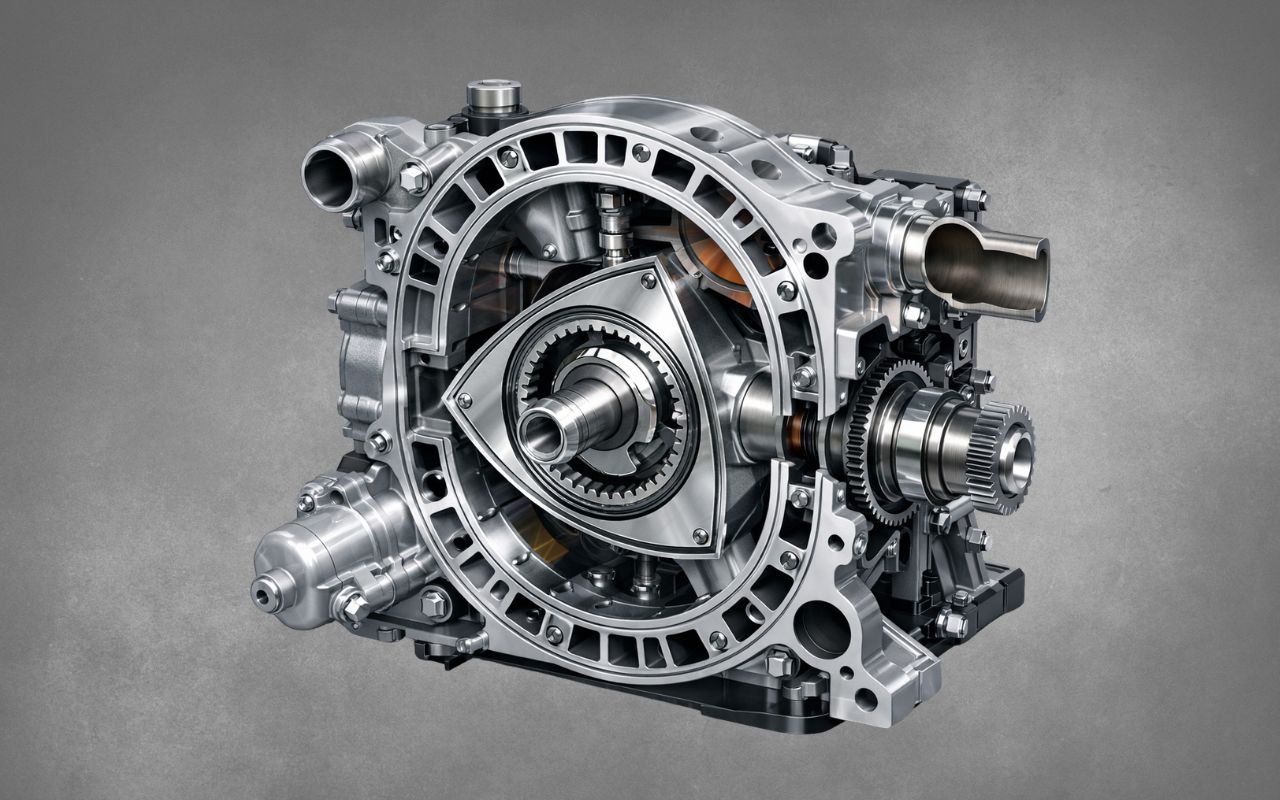
While Mazda succeeded with the rotary engine, China attempted to apply it in trucks, but the low torque, high consumption, and wear led to the failure of the TJ140 project.

-
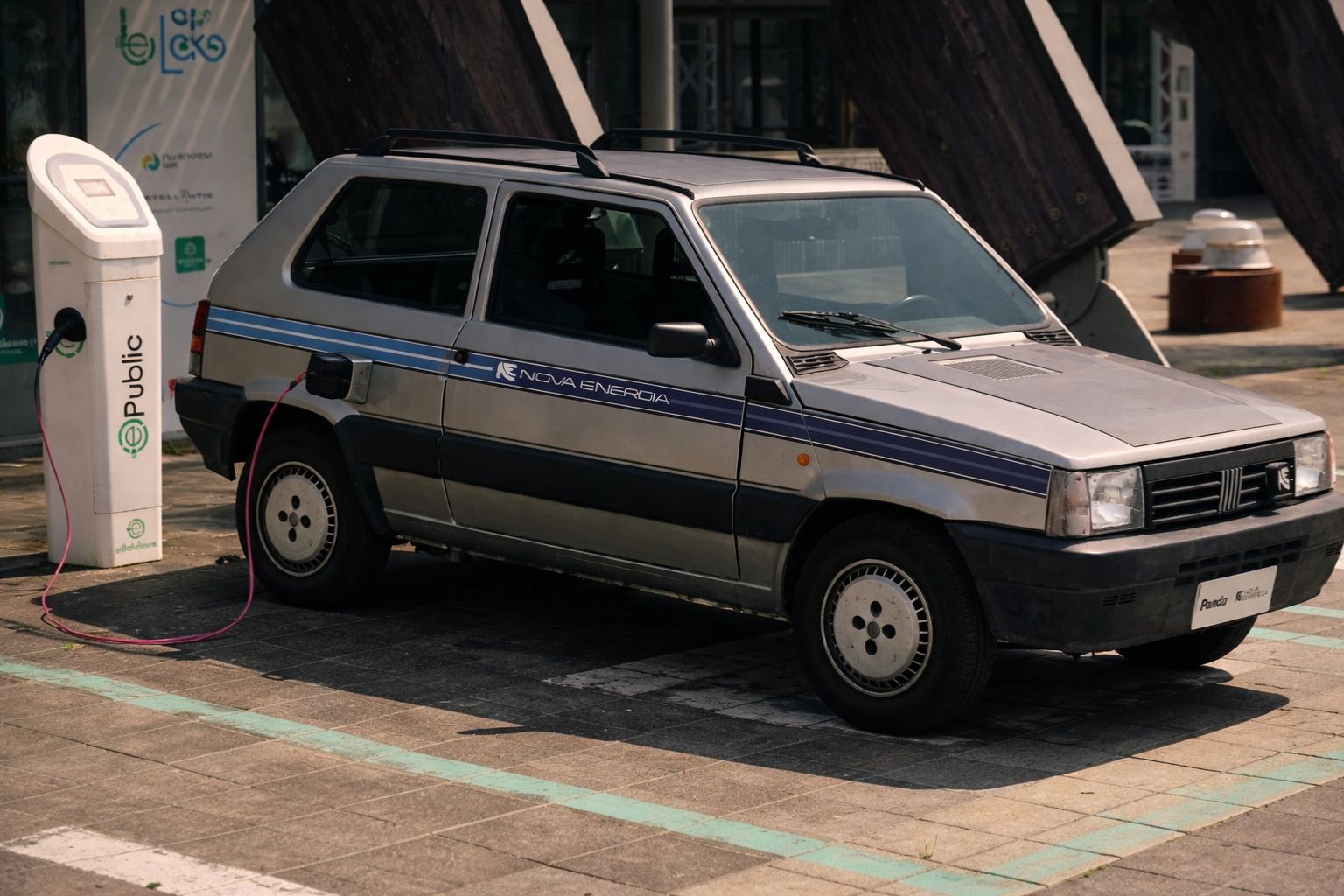
Italians are taking the classic Fiat Panda out of the garage, removing the gasoline engine and installing an electric system that runs 110 km for just 3 euros of recharge, and it even has the option to install a solar panel on the roof that adds 15 km of range per day.

-
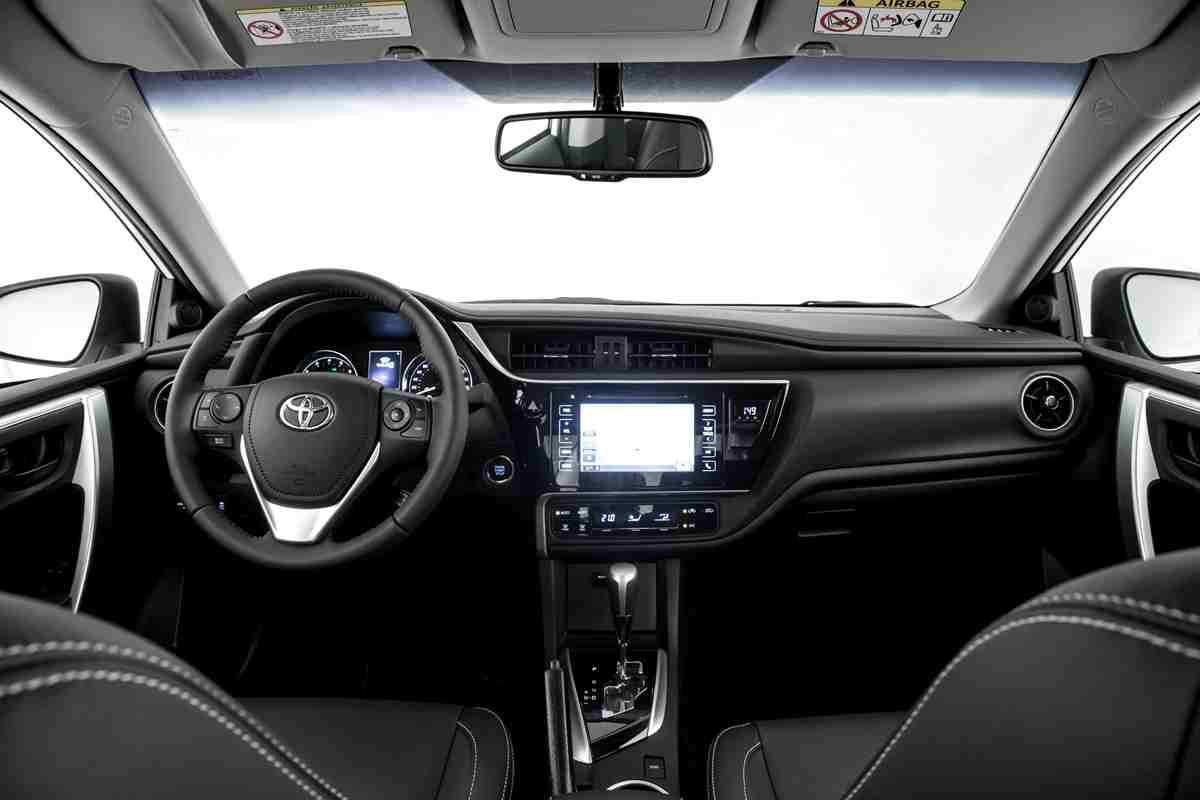
How much does it cost to maintain a 2019 Corolla at a basic level? The owner shows maintenance with oil change, filters, tire rotation, and cleaning.

The union emphasized that if the company does not present viable alternatives, the no-strike commitment agreed with Volkswagen expires on December 1st. This means that employees will be free to strike if they feel they are not being adequately considered in the cost-cutting plans.
Gröger also expressed that proposals such as a 10% salary cut are unacceptable. During negotiations, he stated that the responsibility for cost reduction should be balanced, demanding a fair contribution from senior managers and shareholders.
Reaction Of The Works Council
The chair of Volkswagen’s works council, Daniela Cavallo, took a firm stance against isolated cuts in labor costs, emphasizing the need for a strategic plan that excludes factory closures and layoffs. According to Cavallo, “we are not prepared to talk about labor cost targets in isolation; we want to develop a master plan, a future plan for the company together“.
Cavallo’s proposal suggests that workers seek solutions involving a more comprehensive restructuring, where the focus is on long-term sustainability rather than immediate and fragmented cuts.
Alternatives For Cost Reduction
In light of employee pressure and the need to deliver results to shareholders, Volkswagen is exploring different options to reduce operational costs. Among the possibilities are:
- Reduction of Bonuses And Benefits: Adjustments in compensation packages for management positions may be an alternative to balance the cuts.
- Process Restructuring: Improving efficiency in the production line, aiming to minimize waste and increase productivity.
- Investment In Technologies: Automation and the use of new technologies could reduce costs in the long term, although this strategy requires an initial investment.
- Flexible Labor Negotiations: Seeking agreements with unions that allow temporary adjustments in working conditions to preserve jobs.
Additional Challenges For Volkswagen In Germany
With around 120,000 employees in the country and 10 factories, six of which are located in the state of Lower Saxony, Volkswagen finds itself in a delicate position to implement significant cuts without affecting employment and the local economy. Unions play an important role in the company’s labor decisions, and any severe measures could have an economic impact in the region.
Furthermore, Volkswagen needs to consider the global context: the manufacturer faces increasing competition from electric vehicle manufacturers, a segment that demands high investments in technology and factory adaptation. The company, therefore, needs to find a balance between the demands for cost-cutting and the need to innovate to remain competitive in the electric vehicle market.
The Way Forward
Volkswagen is facing a challenging scenario, where each step will be carefully scrutinized by unions, employees, and shareholders. Conversations between the company and union representatives will continue in the coming weeks, in search of a consensus that allows ongoing operations without negatively impacting jobs.
If no agreement is reached, the manufacturer could face strikes and other mobilizations from workers, in addition to risking its public image. Amid these discussions, Volkswagen has yet to make detailed statements about possible factory closures or specific plans to address the crisis more sustainably.
The action taken by Volkswagen, although drastic, reflects a scenario where the automotive industry is increasingly pressured to innovate and optimize its resources.








Seja o primeiro a reagir!