






 Portuguese
  Spanish


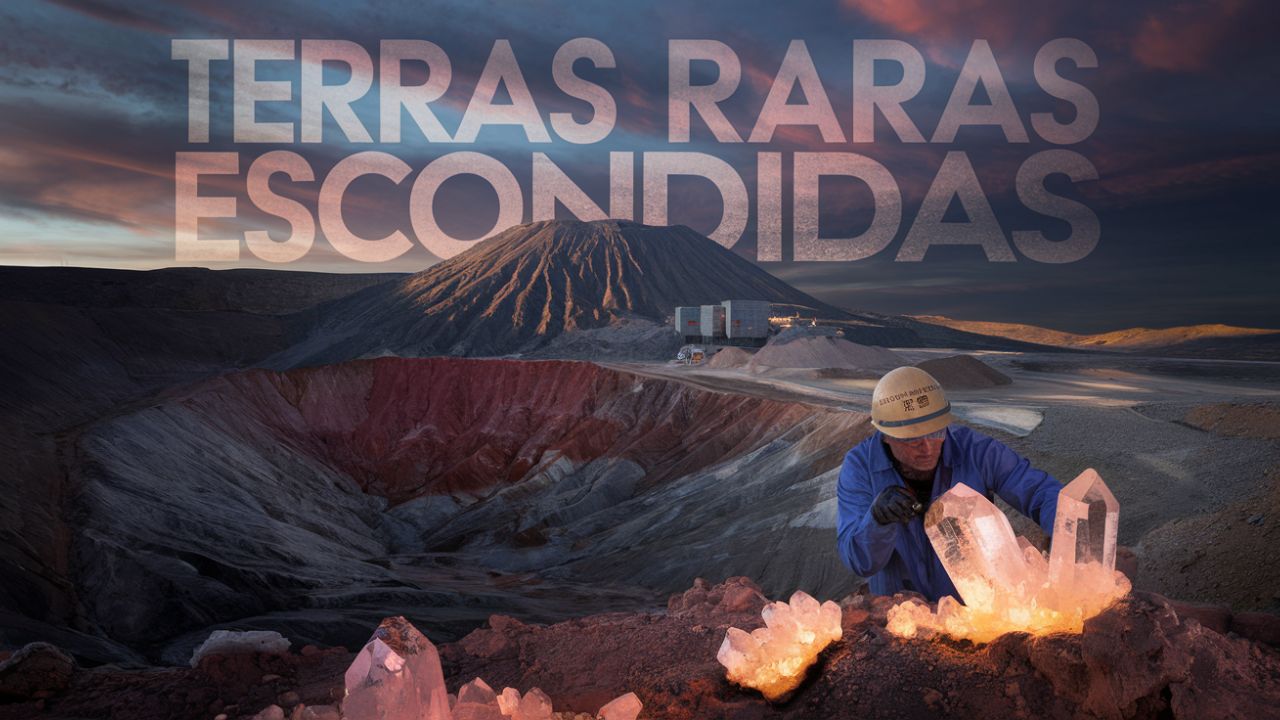

Volcanoes Are Not Just Destructive Forces of Nature, But Also Subterranean Vaults Filled With Essential Minerals. Scientists Have Discovered That Ancient Volcanoes Can Indicate Where to Find Rare Earths, Fundamental Metals for the Production of Electronics, Electric Vehicles and Renewable Energy Technologies.
Over in Australia, about 400 kilometers from Sydney, there is an amazing place called the Toongi Deposit. This place, which emerged about 215 million years ago, holds a true underground treasure: rare earths. And why is this so important? Well, these minerals are in practically everything we use on a daily basis, from solar panels to cell phones and electric cars.
With the demand for these minerals skyrocketing, scientists are increasingly focused on understanding how these deposits form. And the answer may lie in the crystals left by the volcanoes.
The Role of Volcanoes in the Formation of Rare Earths

It all starts down below, in the Earth’s mantle. When this layer, rich in iron and magnesium, partially melts, it releases valuable minerals. This magma, loaded with rare earths, slowly rises toward the crust.
-
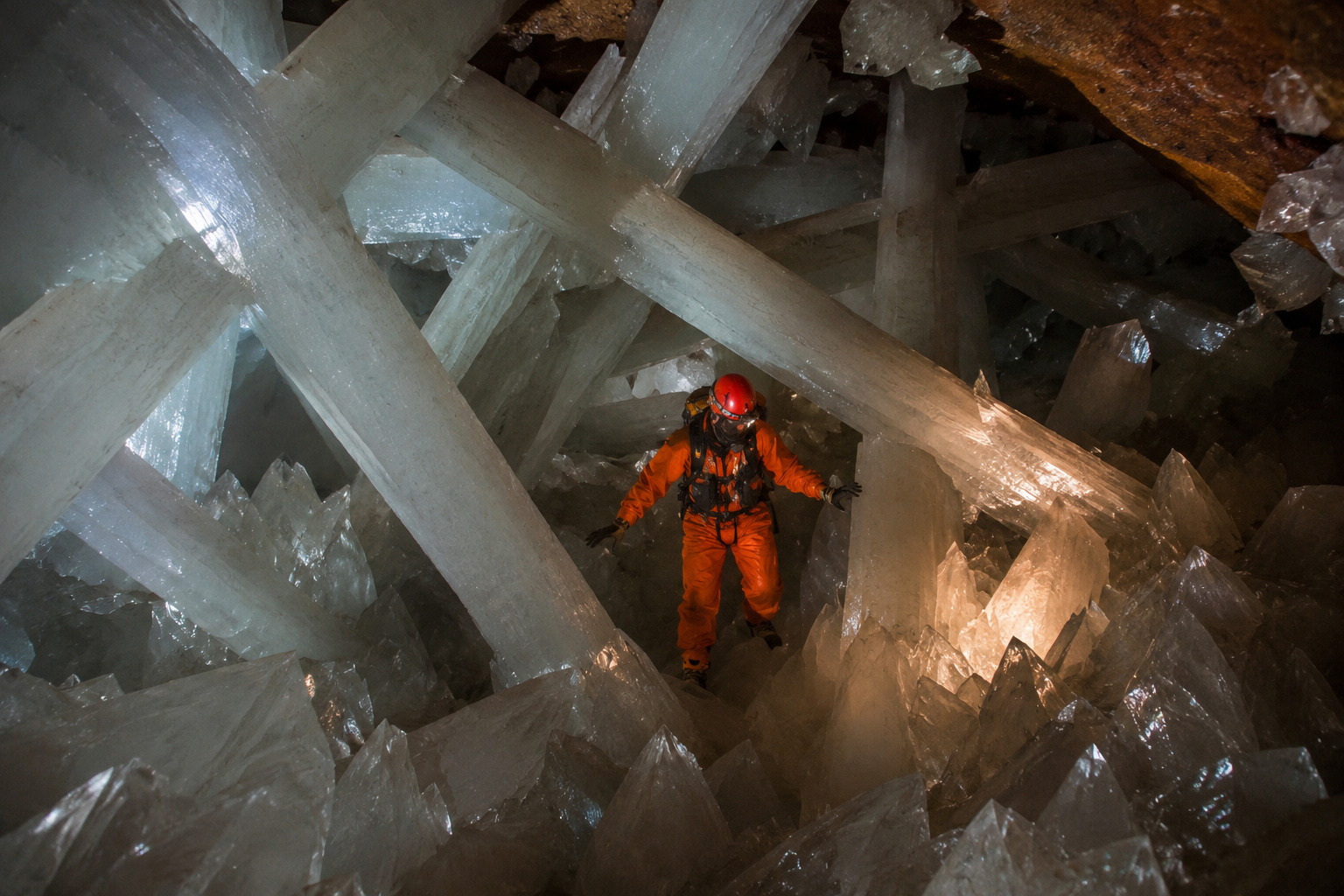
Mexico’s Giant Crystal Cave: A Deadly 58°C Underground Palace with 11-Meter Crystals Formed Over Nearly a Million Years

-
China Dominates Over 90% of Rare Earth Refining, Prompting Global Concerns: Canada and Japan Launch Billion-Dollar Plan to Reduce Dependency and Safeguard Batteries, Semiconductors, and Defense

-
Ancient Mines in Spain Reveal Tools and Metals That May Explain Bronze Age Trade with Scandinavia
-
XCMG Launches 240-Ton Mining Truck in Brazil, Promising Increased Productivity with Lower Fuel Consumption


Along the way, it cools and forms new minerals, separating from the remaining liquid. As a result, the magma that continues its journey becomes even richer in rare earths, a true geological banquet for modern technology.
According to Agueda Region, not every volcano can produce profitable deposits of rare earths. The secret lies in the cooling type and the composition of the magma. A famous example of this is the Gardar Igneous Complex in Greenland, known for its high concentrations of these precious minerals. The same happened in Australia, where the Toongi Deposit was formed thanks to the same geological process.
But finding viable mining locations is no walk in the park. Magmas rich in rare earths are quite rare, and those with high enough concentrations to be worth mining are even harder to find.
Crystals as Messengers of the Geological Past
Now, how do scientists discover these things? The answer lies in crystals, especially in clinopyroxene. This mineral acts as a “black box” for geology, recording the events that occurred inside the Earth.
In the Toongi Deposit, researchers found clinopyroxene crystals with a curious shape, resembling an hourglass. This indicates that they formed very quickly, due to the release of gases during the cooling of the magma.
This insight is crucial because it helps to differentiate common rocks from those with high concentrations of rare earths. By comparing crystals from different volcanoes, scientists can identify patterns and predict where new deposits may be hidden.
The Future of Mining and Green Energy
If there is one thing for sure, it is that the transition to renewable energy needs rare earths. And by better understanding how these deposits form, we can explore these resources more efficiently and even sustainably.
If we can diversify mining locations, we can avoid having a few countries control the global supply of these minerals. This not only helps to balance the market but also ensures that we will have enough rare earths to continue innovating technologically without fear of scarcity.









Somos a Fenrir do Brasil, possuímos em solo brasileiro um depósito de alto teor. Teor médio de 14.9%