





 Portuguese
  English
  Spanish
  3 min of reading
  0 comments


Infrastructure transforms urban waste into energy and heat, expands energy autonomy, and reduces landfill waste, with advanced environmental control technology and large-scale recycling of materials in the Polish capital.
Warsaw officially inaugurated, on February 19, 2026, the Warszawska Wytwórnia Energii, a waste-to-energy plant located in Targówek, with the capacity to process approximately 265 thousand tons of municipal waste per year and transform part of this material into electricity and heat for the urban network.
The facility was designed to generate approximately 100 thousand MWh of electricity and 200 thousand MWh of heat per year, a volume associated by the municipality with the annual consumption of 50 thousand households and the heating of about 30 thousand apartments.
Waste-to-Urban Energy Transformation
The unit receives mixed waste and non-recyclable fractions, especially material discarded in the so-called “black bag” of urban collection, reducing the amount sent to landfills and expanding the Polish capital’s autonomy in waste management.
-
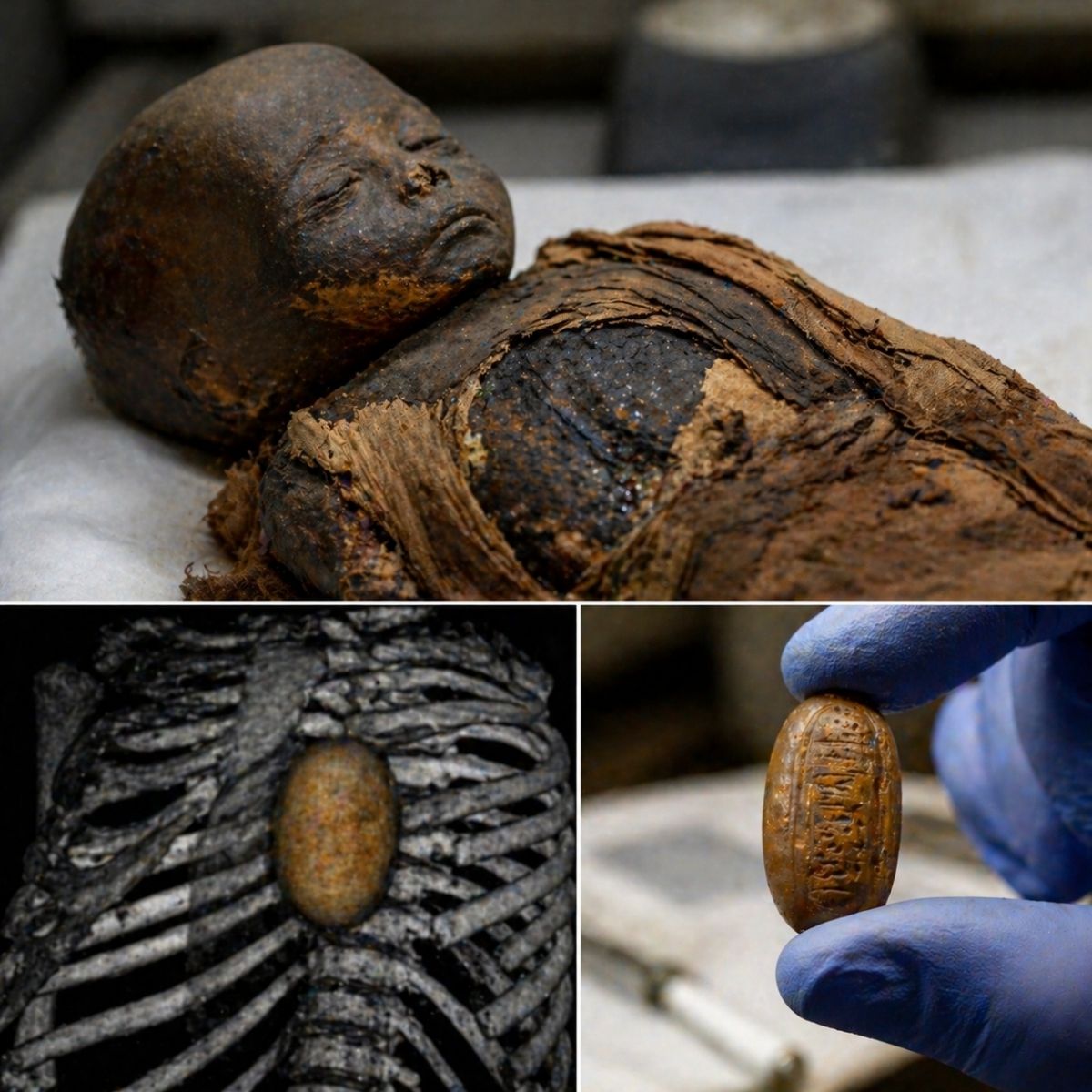
Scientists found a mysterious object inside the chest of an Egyptian child’s mummy and believe it may contain the name of the boy who died thousands of years ago.

-
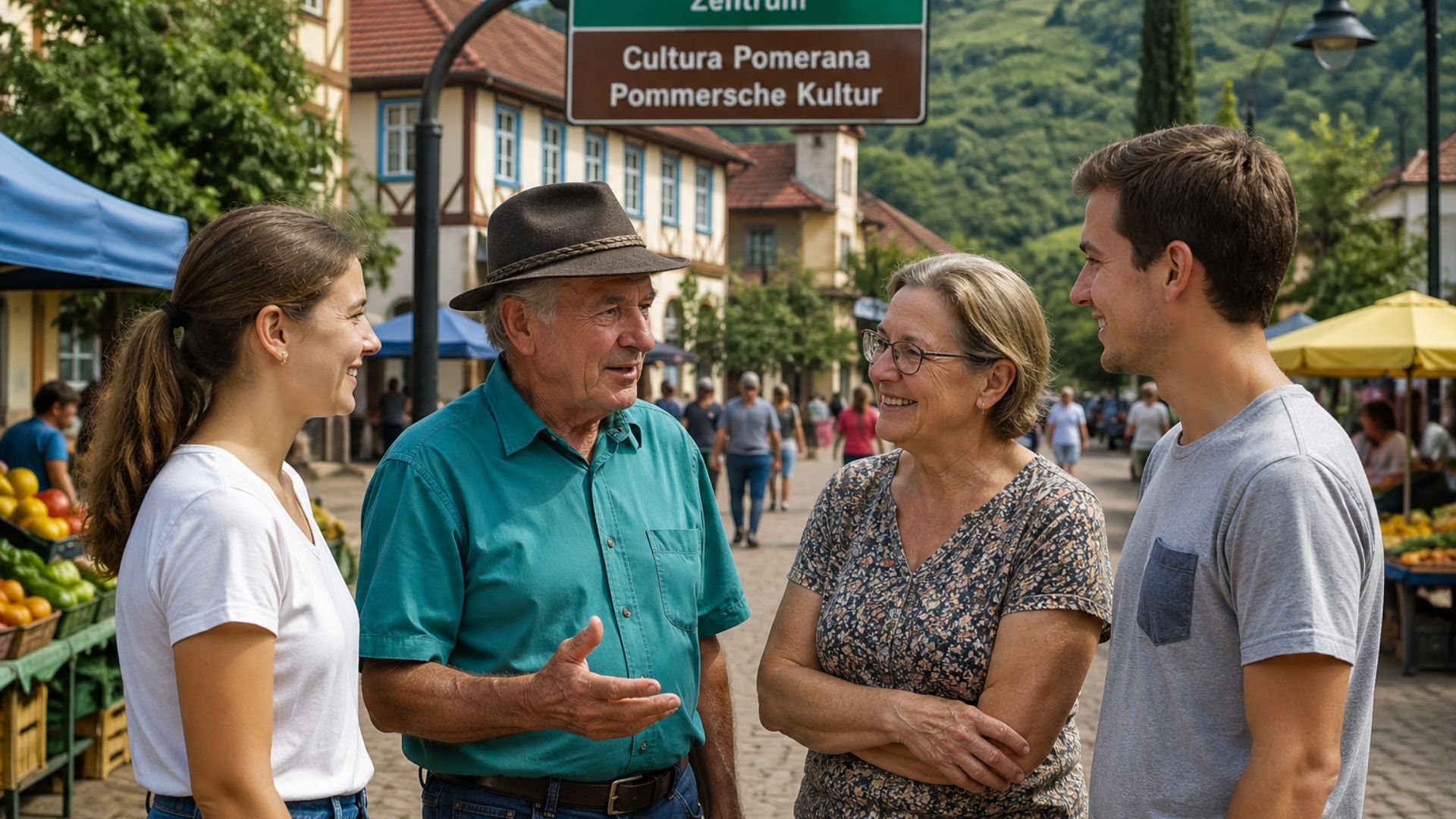
A Brazilian municipality surprises the world by preserving a language that no longer exists in Europe with mandatory teaching, co-officialization, and daily use in the streets.

-
He planted 30,000 mangrove seedlings in three years with volunteer students and even used a powered parachute to reach areas impossible on foot, and it all started because surfing saved Tito Varela from drugs in a neighborhood without opportunities in Puerto Rico.
-
The first winter cold spell is coming with an air mass at 2°C at 850 hPa, gusts of up to 70 km/h, and lows of 0°C to 5°C, with potential for frost for 3 consecutive days in Southern Brazil.


The complex operates in cogeneration, a process in which the controlled burning of waste allows for the simultaneous production of electricity and heat, with integration into the city’s distribution networks and energy recovery from material that previously had lower operational value.
According to the Warsaw city council, the new structure replaces a much smaller previous capacity and significantly expands thermal waste processing in the city, consolidating the largest facility of its kind operating in Poland.
Recyclable Sorting Reinforces Reuse
In addition to energy conversion, the project includes a sorting area for materials such as plastics, metals, and paper, with a reported capacity of approximately 30 thousand tons per year, which helps separate still usable fractions before final disposal.
This step is relevant because the plant does not replace recycling, but rather processes mixed and non-recyclable waste within a broader urban management chain, where separation, reuse, and thermal treatment serve different functions.
The operation is conducted by the municipal company MPO Warszawa, responsible for part of the capital’s urban cleaning, while the construction involved the South Korean company POSCO E&C and technical supervision from engineering firms contracted for the project.
Environmental Technology and Emissions Control
The plant operates with technologies aligned with the so-called Best Available Techniques, known by the acronym BAT, including combustion gas cleaning systems and continuous emissions monitoring to meet applicable environmental standards.
The process uses grate boilers, a common solution in municipal waste thermal treatment facilities, with stages of combustion, energy recovery, and pollutant control before the release of treated gases through the chimney.
During the testing period, which began before the official opening, the facility underwent technical calibration and team training, a necessary step to verify operating parameters before full integration into the municipal system.
Urban Integration and Architectural Structure
The Targówek complex received elements of integration with the urban landscape, including approximately 20 thousand square meters of green roofs, flower gardens, and an observation area installed in the chimney, at approximately 70 meters high.
The structure also features architectural LED lighting, a resource used to change the colors and intensity of the facade, without interfering with the unit’s main function, which remains focused on waste treatment and energy generation.
For Warsaw, the project represents an attempt to respond to the growing demand for local waste disposal solutions, especially in large metropolises seeking to reduce landfills and better utilize urban waste streams.
The investment reported by the city council was approximately 1.6 billion zlotys, financed by the municipal budget, in one of the largest recent industrial projects undertaken by the administration of the Polish capital.





Be the first to react!