





 Portuguese
  English
  Spanish
  4 min of reading
  0 comments


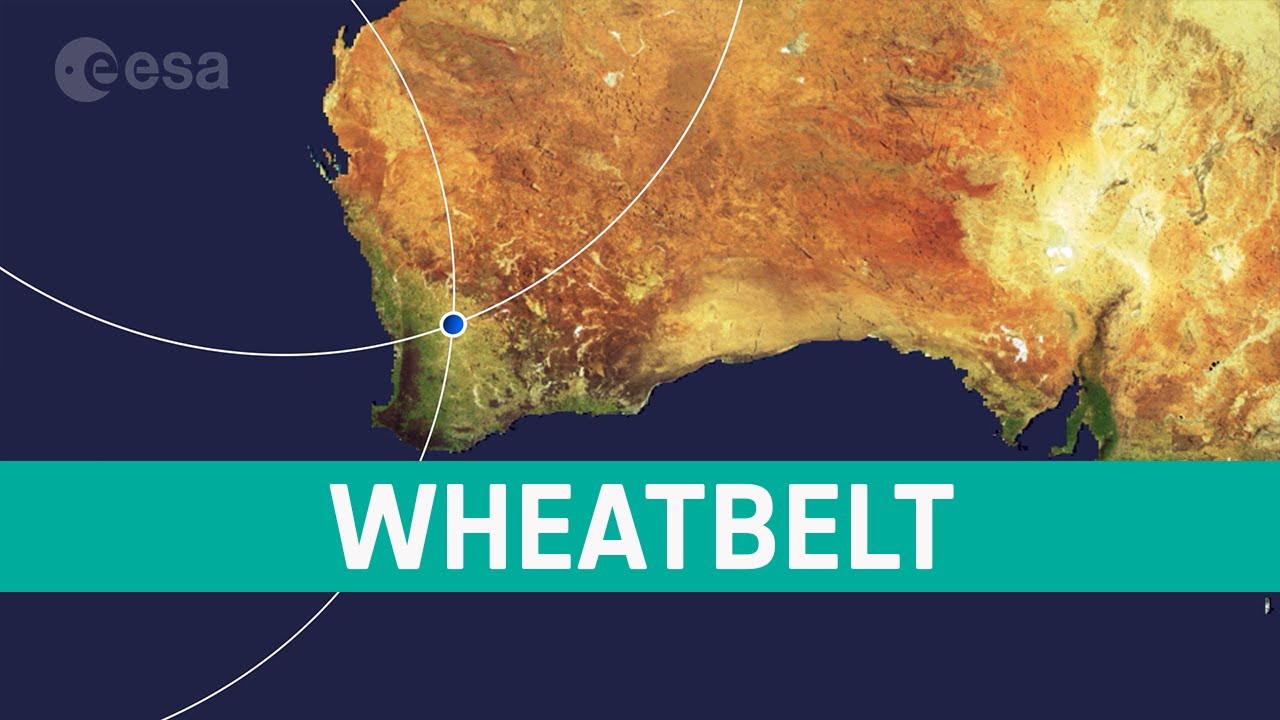
Wheatbelt Region in Australia Produces More Wheat Than Entire Countries, Harvests Millions of Tons Per Year and Sustains One of the Largest Agricultural Systems on the Planet.
In Western Australia, a vast region known as Wheatbelt concentrates one of the largest and most productive continuous wheat-growing areas on the planet. According to official data from the Australian Bureau of Statistics (ABS), for the 2022–2023 crop, Australia planted about 12.9 million hectares of wheat, with Western Australia leading national production, reaching approximately 14.7 million tons in a single agricultural cycle. This volume, when compared, exceeds the annual wheat production of several entire countries, especially in Africa and the Middle East.
Unlike an isolated “megafarm,” the Wheatbelt operates as an integrated agricultural system, made up of thousands of large-scale properties, highly mechanized, connected by logistical infrastructure, cooperatives, silos, railways, and export ports. It is this regional organization that enables Australia to operate as a global grain powerhouse, supplying markets in Asia, the Middle East, and Africa.
Where the Wheatbelt Is Located and Why It Is Strategic
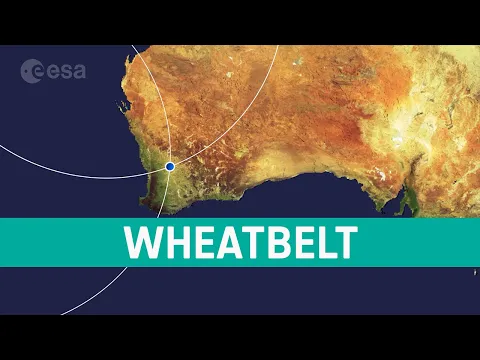
The Wheatbelt spans much of the southwest of Western Australia, covering cities and rural areas such as Merredin, Geraldton (port region), Esperance, and Kwinana.
-
While the world discusses geopolitics, China is quietly closing a deal with its Kazakh neighbor to secure grain supplies during any global food crisis, with more than 3,600 Kazakh companies already able to export directly to the Chinese market.

-
A farm in the Mexican desert has become so green that today it has rivers flowing year-round and even rain in the dry season, all thanks to a technique that transforms dead sand into fertile soil with manure, mountain microorganisms, and what farmers call the secret soil formula.
-
Stable fly infestation frightens producers in Costa Rica, disrupts cattle routine, reduces milk, and puts vinasse at the center of rural controversy.

-
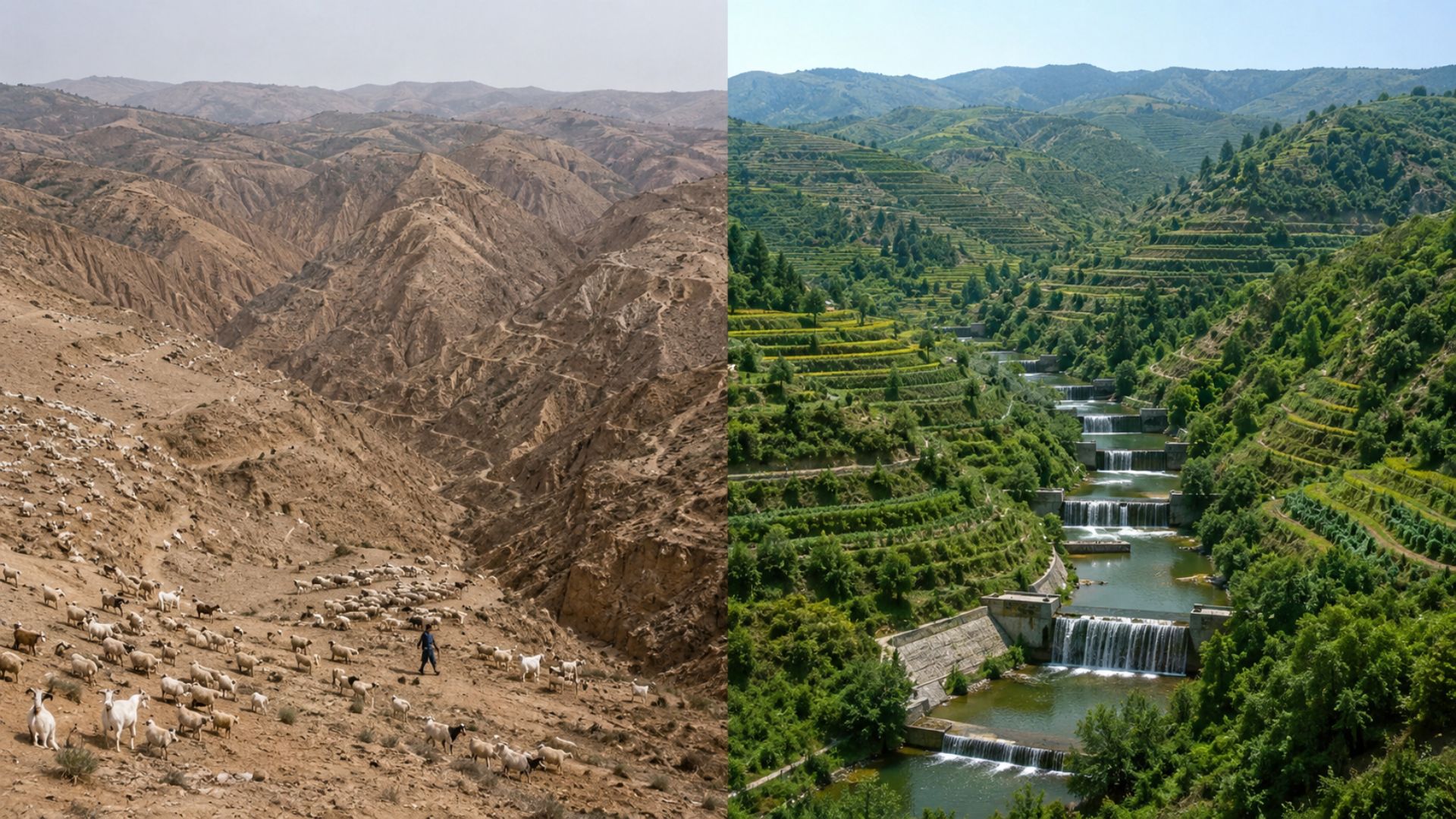
China banned free grazing of goats and sheep in parts of the most eroded plateau on the planet and, along with terraces and thousands of dams, managed to green slopes that were dumping 1.6 billion tons of soil per year into the Yellow River, in one of the largest environmental recoveries in history.
The Mediterranean climate, with wet winters and dry summers, combined with soils suited to extensive farming, created ideal conditions for the expansion of wheat since the early 20th century.

According to the Department of Primary Industries and Regional Development (DPIRD), wheat is the main agricultural economic pillar of the state, accounting for billions of Australian dollars in annual exports. Production is primarily directed to external markets, making the region highly sensitive to logistics, efficiency, and productivity per hectare.
Continental Scale Production and International Comparison
Numbers help to measure the scale. In favorable harvest years, wheat production from the Wheatbelt approaches or exceeds the annual production of countries such as Morocco, Tunisia, Ethiopia, or Bolivia.
This comparison is often used by agricultural analysts and international reports to illustrate how highly mechanized agricultural regions can compete with entire national economies in food volume.
Reports from the Food and Agriculture Organization (FAO) confirm that Australia is consistently among the top ten producers and exporters of wheat in the world, despite having a relatively small population and vast arid areas outside the agricultural belt.
Technology, Mechanization, and Precision Agriculture
The performance of the Wheatbelt cannot be explained solely by its land area. The region operates with a high level of technology, including:
- large harvesters with platforms over 12 meters,
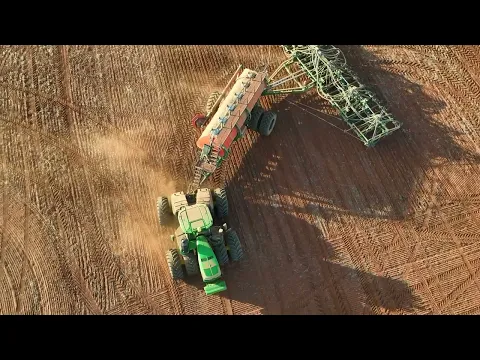
- large-scale direct seeding,
- intensive use of precision agriculture, utilizing GPS, productivity maps, and variable input application,
- real-time climate and soil monitoring.
According to studies published by Australian universities and the DPIRD, average productivity per hectare has significantly increased over the past decades, even under challenges such as recurring droughts and climate variability. This reinforces the role of the Wheatbelt as a laboratory for modern extensive agriculture.
Global Logistics: From Farm to Port
Another decisive differential is logistics. The wheat harvested in the Wheatbelt is quickly directed to regional silos, connected by railways and highways to strategic ports such as Geraldton, Kwinana, and Esperance.
These ports specialize in agricultural bulk and operate with continuous loading for large ships.

Data from the Australian government indicates that more than 70% of the wheat produced in Western Australia is exported, primarily to Indonesia, Japan, South Korea, Vietnam, and countries in the Middle East.
This integration transforms the Wheatbelt into a central cog in global food security, especially in years of crisis in other major producers.
Challenges: Climate, Soil, and Sustainability
Despite the impressive scale, the model faces growing challenges. Climate variability, associated with events such as El Niño, affects rainfall and yields.
Additionally, there are ongoing efforts to combat soil salinity, erosion, and loss of organic matter, which are historical issues in the region.
Sustainable management programs, crop rotation, and genetic improvement are conducted by public and private agencies, focusing on maintaining productivity without indefinitely expanding cultivated land.
The case of the Australian Wheatbelt demonstrates how an integrated agricultural region, rather than a single farm, can achieve a productive scale comparable to that of entire countries. Millions of hectares operating in a coordinated manner, with technology, logistics, and access to global markets, have transformed southwestern Australia into one of the largest wheat granaries on the planet.
More than just numbers, the Wheatbelt has become a concrete example of how infrastructure, agricultural science, and regional organization redefine the role of exporting countries in global food balance.






-

-

3 people reacted to this.