






 Portuguese
  Spanish
  6 min of reading
  0 comments


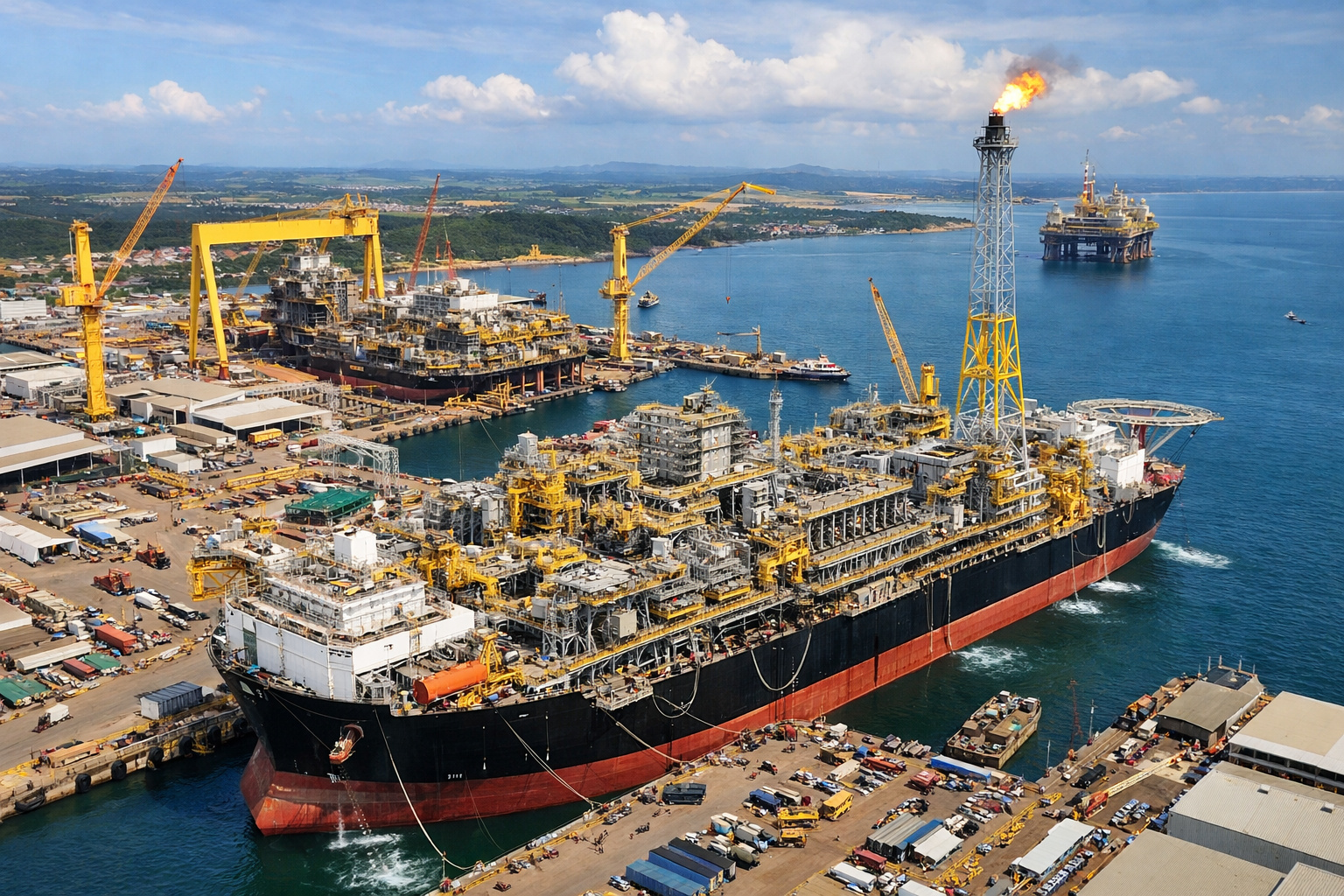
In 2026, Aracruz shipyard gains prominence in the naval industry by integrating the construction of platforms P-84 and P-85, generating 2,500 jobs with high salaries in the Brazilian pre-salt
In 2026, based on information released by Petrobras, the government of Espírito Santo, and communications from the industrial sector, the shipyard located in Aracruz, on the coast of Espírito Santo, has taken a central position in one of the largest recent investment cycles in the Brazilian naval industry. The unit was selected to work on the construction of modules for platforms P-84 and P-85, structures that are part of a billion-dollar package aimed at expanding production in the pre-salt.
The project involves the opening of 2,500 direct job vacancies, with salaries that can reach R$ 30,000, depending on the technical level, specialization, and role performed. The magnitude of the salaries and the volume of hiring places the venture among the most relevant in the Brazilian industrial sector at this moment, especially in a context of recovery of the naval industry.
The movement also represents an important reactivation of the productive chain linked to oil, with a direct impact on suppliers, service providers, and specialized labor.
-
Oil production grows in Rio, but reserve replacement raises a warning sign

-
Petrobras is expected to complete the drilling of the Morpho well in the Foz do Amazonas in August 2026, the first well in the Equatorial Margin, an oil frontier that the ANP estimates at more than 30 billion barrels and could redraw the map of Brazil.

-
Oil returns to the center of concerns with tension between the US and Iran

-
IEA reduces forecast for global oil demand in 2026 after impacts of the Middle East crisis
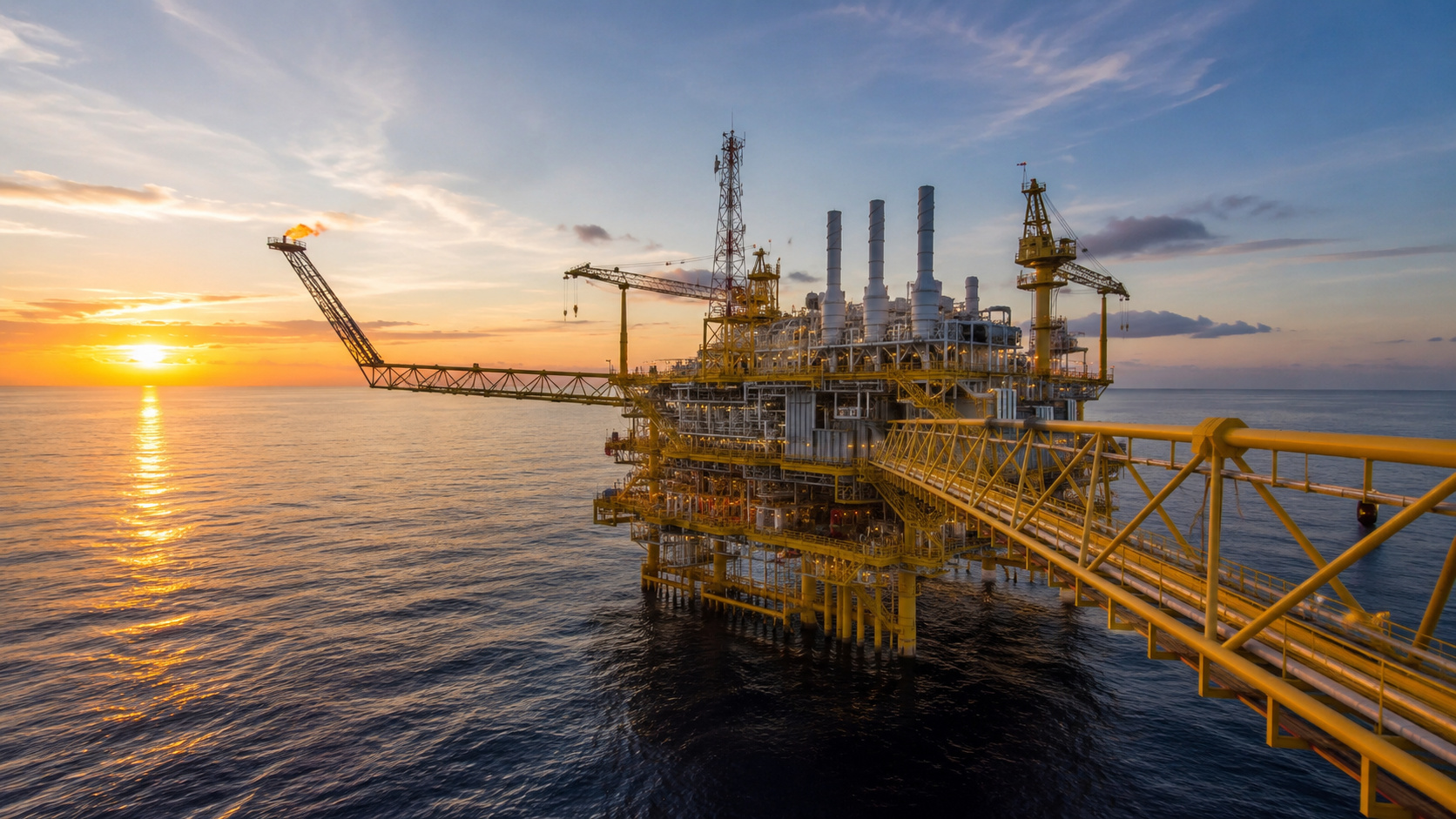


Platforms P-84 and P-85 were designed to produce up to 225 thousand barrels of oil per day
The units at the center of this project, platforms P-84 and P-85, are of the FPSO (Floating Production Storage and Offloading) type, floating structures capable of producing, storing, and transferring oil offshore. Each of these platforms was designed to achieve a production capacity of approximately 225 thousand barrels of oil per day, in addition to processing large volumes of natural gas.
This level of production places these units among the most robust ever planned to operate in the Brazilian pre-salt, one of the most strategic regions of the global oil industry. The platforms will operate in fields with depths greater than 2,000 meters, which requires a high technological level both in the construction and operation of the systems.
Billion-dollar investment is part of Petrobras’ strategy to increase production in the pre-salt
The development of platforms P-84 and P-85 is part of an investment program by Petrobras that involves estimated amounts in the tens of billions of reais. These investments are part of the plan to expand production in the pre-salt, a region responsible for an increasing share of national oil production.
The Brazilian pre-salt is considered one of the main energy frontiers in the world, with reserves that show high productivity and lower cost per barrel, which explains the volume of resources directed towards its exploration. The construction of new platforms is one of the pillars of this strategy, allowing for an increase in production capacity and ensuring the utilization of already discovered reserves.
Shipyard in Aracruz takes on a strategic role in the oil and gas industrial chain
The choice of the shipyard in Aracruz to participate in this project is not random. The unit has a strategic location, adequate infrastructure, and technical capacity to meet the demands of the offshore industry.
The shipyard’s participation in the project reinforces the decentralization of the Brazilian naval industry, which has historically concentrated in other regions of the country, expanding the role of Espírito Santo in the sector. Furthermore, the execution of the platform modules involves complex engineering processes, including:
- Manufacturing of large metal structures
- Integration of industrial systems
- Assembly of high-precision equipment
This set of activities requires highly skilled labor, which explains the high salaries offered for certain positions.
Salaries of up to R$ 30 thousand reflect high demand for specialized professionals
The reported salary range, which can reach R$ 30 thousand, is directly related to the need for professionals with a high level of specialization. Positions related to engineering, project supervision, advanced welding, automation, and system integration are among those that offer the highest remuneration.
The shortage of qualified labor in the naval and oil and gas industries has been pointed out as one of the main challenges in the sector, which drives salaries up in large-scale projects. Additionally, the technical complexity of the platforms requires professionals with prior experience in demanding industrial environments, often with specific certifications.
The production chain is expected to be impacted by the generation of indirect jobs
In addition to the 2,500 direct positions, the project is likely to generate a significant volume of indirect jobs. Supplier companies for equipment, logistics services, transportation, food, and maintenance will be in demand during the execution of the works.
This multiplier effect enhances the economic impact of the venture, reaching different sectors beyond the naval industry, especially in the Espírito Santo region.
The economic activity associated with the project may extend over several years, considering the time required for the construction, assembly, and delivery of the platforms.
Construction of modules requires integration of complex offshore production systems
The modules that will be produced at the shipyard are part of the structure of the FPSO platforms and include essential systems for the operation of the units. Among the components are:
-
“`html
- Oil processing units
- Gas compression systems
- Separation and treatment equipment
The integration of these systems requires extreme precision, as any failure can compromise the operation of the offshore platform, where interventions are more complex and costly. This level of technical demand is one of the factors that make the project highly specialized.
Project reinforces the recovery of the Brazilian shipbuilding industry after years of retraction
The Brazilian shipbuilding industry went through a period of strong retraction over the previous decade, with reduced investments and the closure of shipyards. The resumption of projects such as the P-84 and P-85 platforms indicates a change in the scenario, with new investments being directed to the sector.
The reactivation of shipyards and the generation of high-skilled jobs signal a gradual recovery of the country’s industrial capacity, especially in segments related to oil and gas. This movement is also aligned with local content strategies, which seek to increase the participation of the national industry in large projects.
Pre-salt continues to be the main driver of oil production in Brazil
The relevance of the pre-salt in the Brazilian energy context continues to grow. The region concentrates fields with high productivity and the capacity to generate large volumes of oil. The operational efficiency of the pre-salt allows for more production with fewer units, but still requires continuous investments in new platforms to sustain production growth.
The P-84 and P-85 platforms are part of this effort, contributing to keep Brazil among the leading global oil producers.
Espírito Santo gains prominence in the industrial sector with large-scale projects
The participation of the shipyard in Aracruz in the project reinforces the role of Espírito Santo as a relevant industrial hub in the oil and gas sector. The state already has a history of involvement in the energy industry, and the arrival of new projects increases its strategic importance.
The concentration of investments and qualified jobs contributes to regional economic development, in addition to attracting new businesses and strengthening local infrastructure.
“`






Be the first to react!