Portuguese
  Spanish


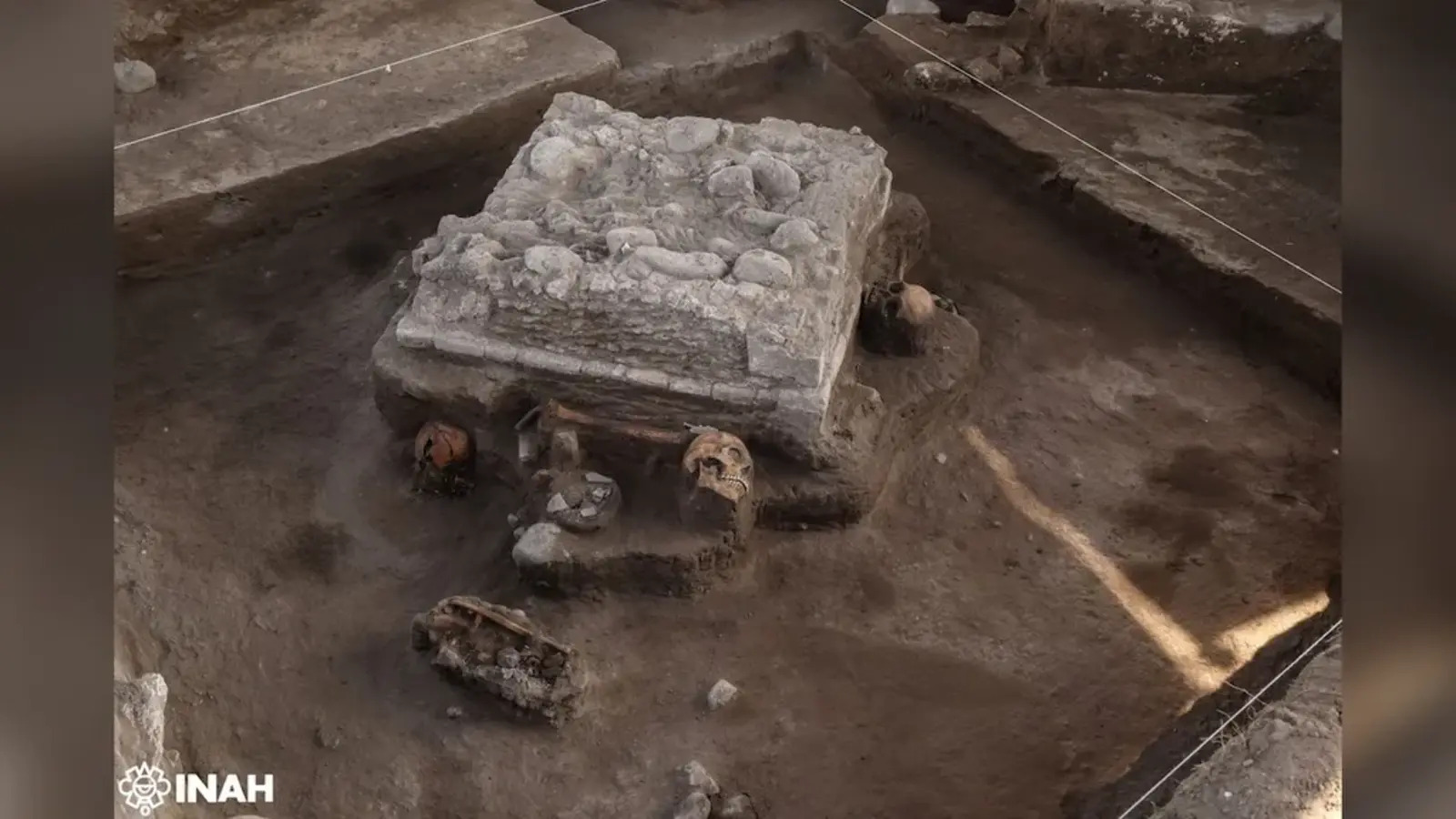

Excavations for a transportation project revealed a stone altar with four skulls, human bones, and ritual objects linked to sacrifices performed over a thousand years ago in the ancient Toltec Empire in central Mexico
A Toltec stone altar, associated with human sacrifices performed over 1,000 years ago, was discovered during excavations for a transportation project near the archaeological site of Tula, in Mexico. Archaeologists also located four skulls, human bones, obsidian knives, and ceramic vessels around the structure.
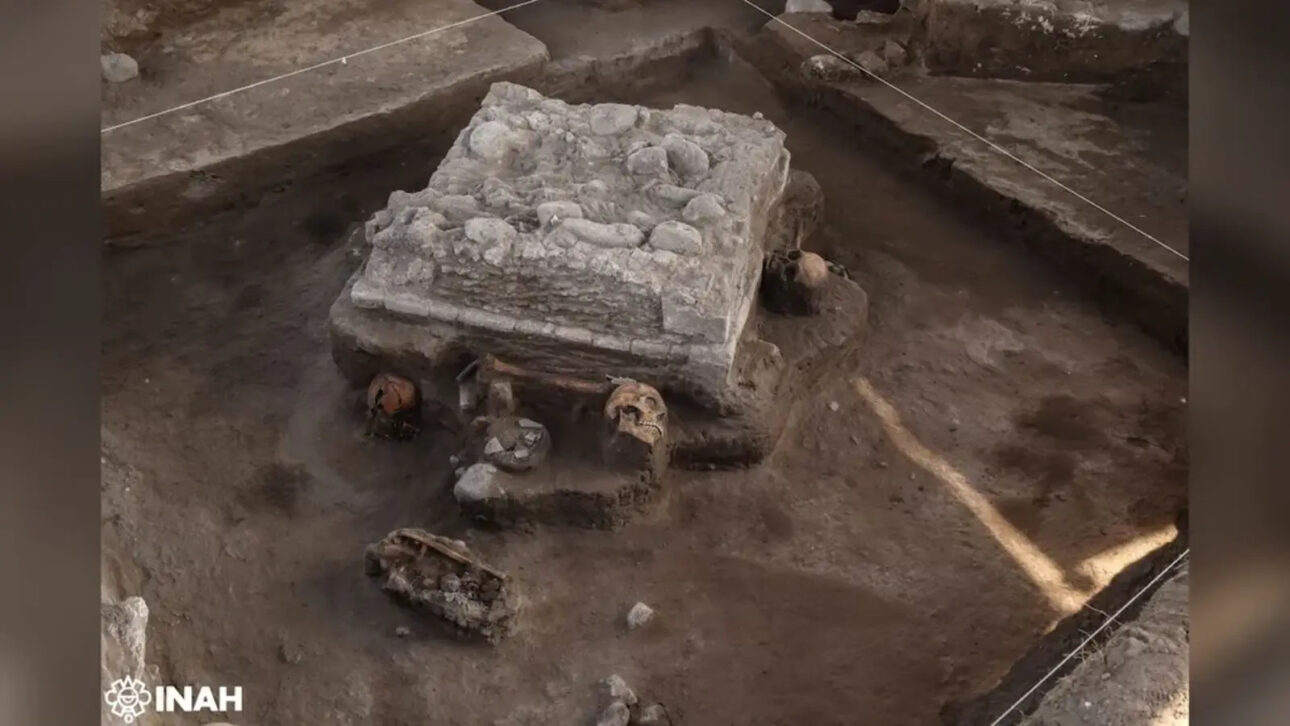
(Image credit: Gerardo Peña/INAH)
Toltec altar was built with three layers of stones
The discovery occurred near Tula, in the state of Hidalgo, approximately 88 kilometers north of Mexico City.
The information was released by the National Institute of Anthropology and History of Mexico, INAH, in a statement published on Tuesday, March 24.
-
Nuclear plant construction in the United Kingdom reveals a 1,400-year-old cemetery with “sand graves,” two members of the Anglo-Saxon elite, and a possibly sacrificed horse.

-
Genetically modified babies are closer to reality after scientists edited specific letters of human embryo DNA with unprecedented precision, although errors and risks still prevent its use in pregnancies.
-
Japan has officially entered the SpaceX race: for the first time, the country’s space agency launched, maneuvered in the air, and landed upright its reusable rocket, the RV-X, in a flight of less than a minute that promises to significantly reduce the cost of space missions.

-
An excavator operator at a mine in Canada hit something strange in 2011 and, after years of preparation, revealed an armored dinosaur with intact skin and armor, 110 million years old and nearly 1,300 kg, now the best preserved in the world.




Known as momoztli in Nahuatl, the structure has a square shape, three layers of stones, and about 1 square meter. Three sides of the altar concentrated four skulls and several human leg bones.
According to Víctor Francisco Heredia Guillén, the archaeologist responsible for the project, the specific position of the remains indicates that they were deposited as offerings.
It is not yet known if there are other materials buried in areas that cannot be directly observed.
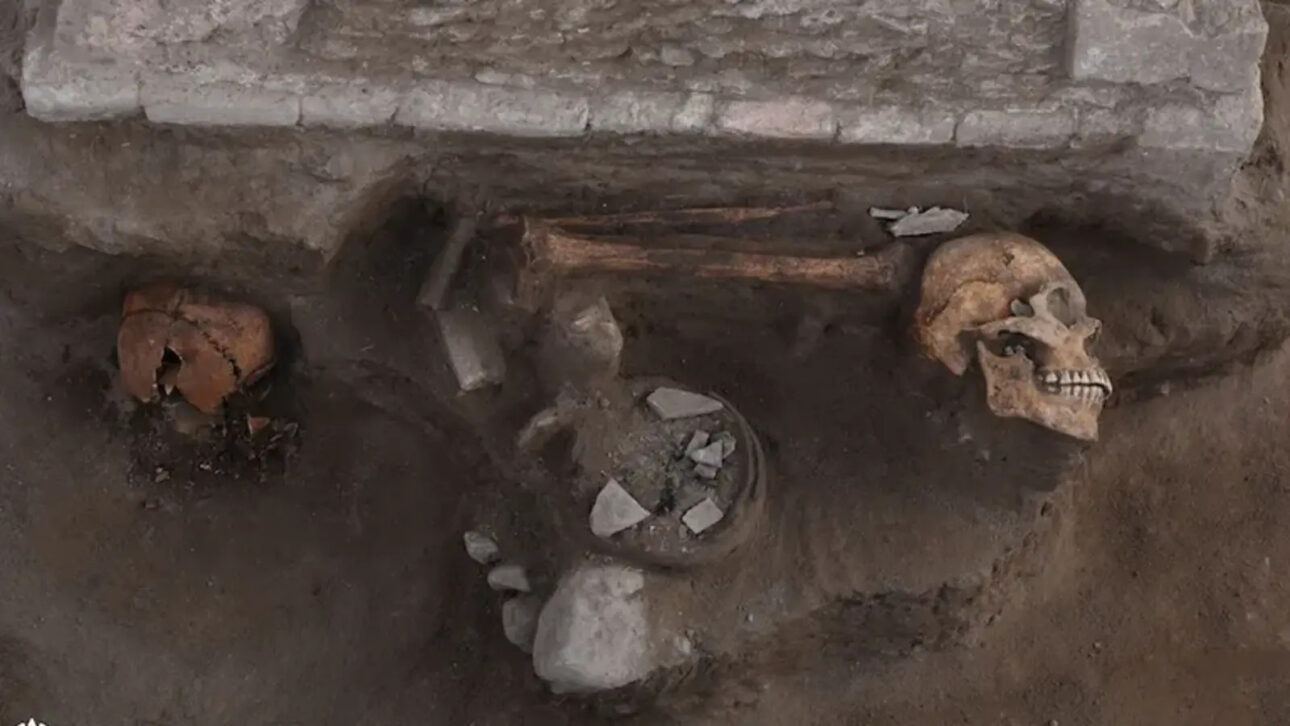
(Image credit: Gerardo Peña/INAH)
Patio may have belonged to an elite residence
Traces of walls found around the Toltec altar indicate that the structure was within a courtyard.
Other rooms located nearby may have been part of a palace or a residential building occupied by the elite of the ancient city.
Tula was an important Mesoamerican urban center between the fall of Teotihuacán, around 550 AD, and the rise of Tenochtitlán, in 1325. The city was the capital of the Toltec Empire, which existed between 950 and 1150.
The archaeological site also has a large pyramid dedicated to the feathered serpent god Quetzalcoatl. At the top of the structure are four large statues representing Toltec warriors.

Bones may reveal the origin of the victims
Researchers believe that the altar belongs to the imperial period of Tula’s occupation. During this period, human sacrifices may have involved enemies defeated by the Toltec warriors.
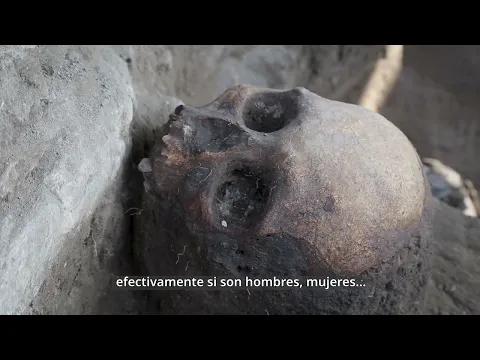
One of the skulls appears to remain connected to part of the spine, indicating that decapitation was part of the ritual.
Heredia explained that obsidian or flint knives were used in these procedures and left cut marks on the bones.
Anthropological analyses should indicate whether the remains belonged to men or women. Chemical tests may also show if the victims lived in the region or were brought from other locations to Tula.
The Secretary of Culture of Mexico, Claudia Curiel de Icaza, stated that discoveries of this type expand knowledge about one of the great civilizations of Mesoamerica.
This article was prepared based on information from the National Institute of Anthropology and History of Mexico, with data, numbers, and statements preserved as per the consulted material.