






 Portuguese
  Spanish




The Record Made By Barny Dillarstone In Night Expeditions To Great Depths In Indonesia Evidences Scientific Gaps, Stimulates Hypotheses About New Marine Species And Reinforces Current Limits Of Ocean Knowledge
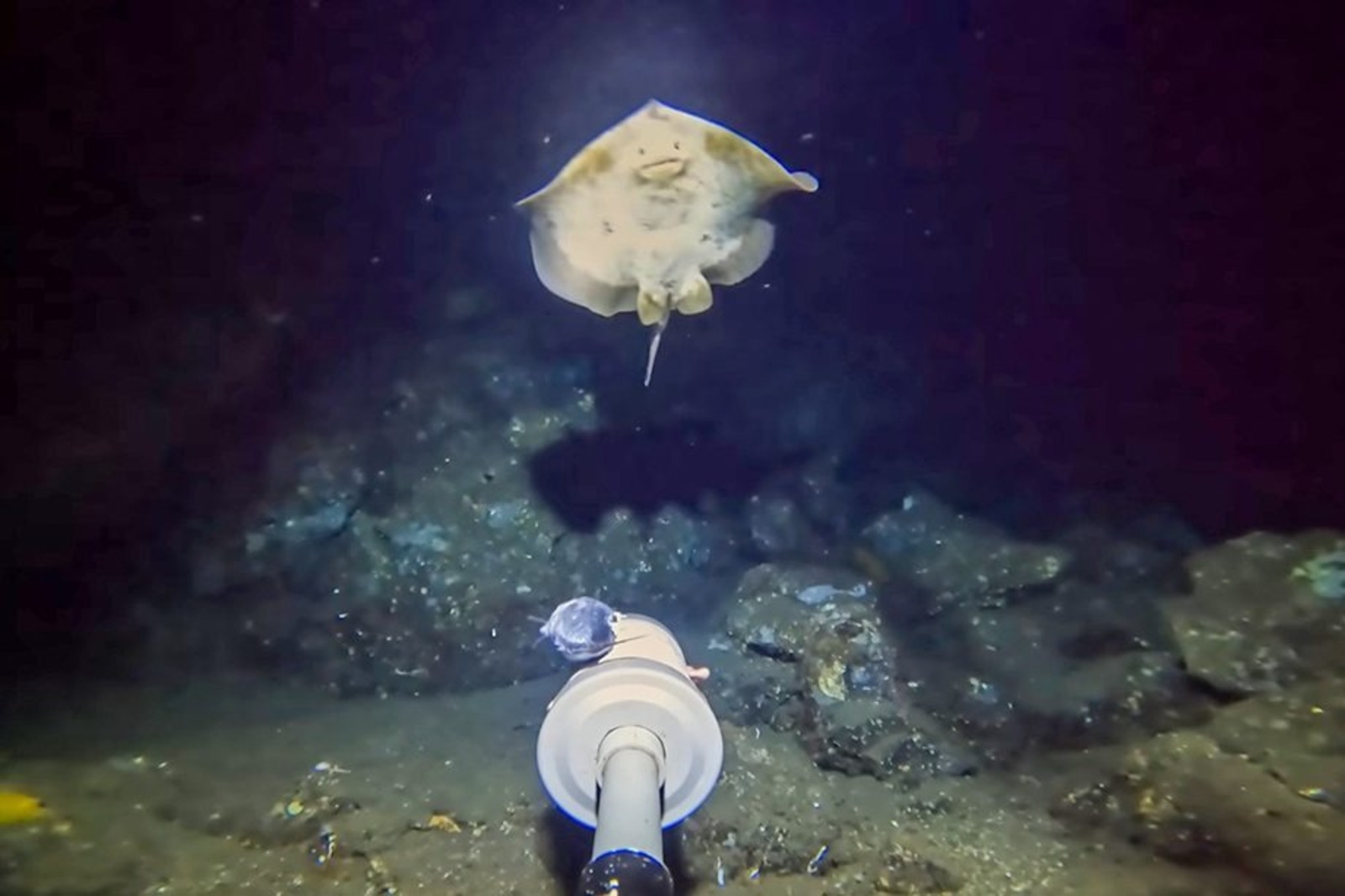
The British marine conservationist Barny Dillarstone recorded, at 200 meters deep, an unidentified creature during underwater explorations in Bali, Indonesia, expanding the debate about unknown species and reinforcing gaps in scientific knowledge about the seafloor.
Night Exploration In The Deep Waters
Little is known about what inhabits the ocean depths, a scenario that drives interest in rare recordings and explains the popularity of underwater explorations shared online.
Barny Dillarstone, marine conservationist and underwater cinematographer, accumulates millions of views as he records incursions into poorly explored environments of the deep ocean.
-
Former Atacadão Employee Turns Online Cake-Baking Lessons into a Confectionery Brand with Factory, Store, Delivery, and Nearly $400,000 in Revenue

-
Brazilian Startup Sells Nearly 9 Million Surprise Bags of Near-Expiry Food, Prevents Thousands of Tons of Waste, Aiming for $42 Million Revenue by 2026
-
How to Prevent Brown Recluse Spider Bites: Common Hiding Spots and Free Tips to Reduce Risks

-
Natto: The Unusual Japanese Superfood Gaining Popularity on Social Media and Driving Record Exports




In Bali, Indonesia, he conducted two consecutive nights of exploration, using a camera attached to a bait ball sent to the depths.
The equipment was positioned successively at 110, 120, 140, 160, and 200 meters deep, allowing observation of nocturnal creatures attracted to the bait.
The images show the behavior of animals in front of the camera, revealing curiosity, caution, and, in some cases, aggressive reactions to the equipment.

Diversity Registered By The Camera
Throughout the video, giant eels, nautiluses, crabs, lobsters, and aggressive conger eels interact with the improvised trap.
Spider crabs and a fireworm also appear, whose traces indicate the biological diversity present in the observed deep layers.
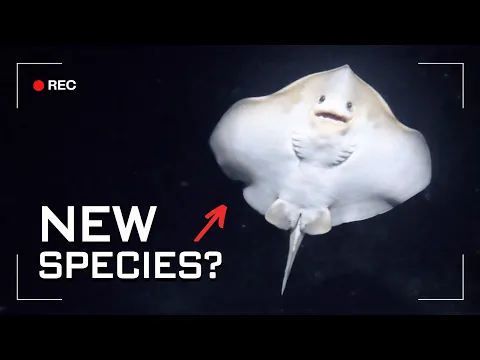
It is only at the end, at 200 meters, that an unidentified creature approaches the camera, capturing the immediate attention of the audience.
Identification Attempts And Scientific Implications
The camera captured a type of deep-water ray, possibly a painted ray, although consulted experts could not reach a consensus.
Dillarstone stated that he sought researchers in the field, but none could accurately identify the species recorded in the obtained images.
According to him, there is a possibility that it is a new species to science, a hypothesis that remains open.
Although mysterious, the record reinforces the idea that the seafloor holds numerous forms of life still unknown, requiring further research.
Recently, after 15 years of scientific confusion, the manta ray Mobula yarae was identified, distinct from Mobula alfredi and Mobula birostris.
The animal occurs in Mexico, the United States, and Brazil, receiving a name inspired by the Iara of indigenous cosmology.
With information from Náutica.






